Cart (0 Items)
Your cart is currently empty.
View Products
Client
Heidelberg University
Sector
Biotechnology
Research Domain
Oncology
Target
Mammalian cell surface protein expressed in malignant tumors
Key Processes
When faced with the need to generate NANOBODY® molecules* against mammalian cell surface proteins expressed in malignant tumors, Heidelberg University partnered with ProteoGenix to rapidly deliver and optimize candidates ready for translational development
Ensuring functional performance in ELISA assays
Identification of binders with high affinity and specificity against target
Avoiding non-specific binding during phage display
Accelerating the timeline from discovery to preclinical stages
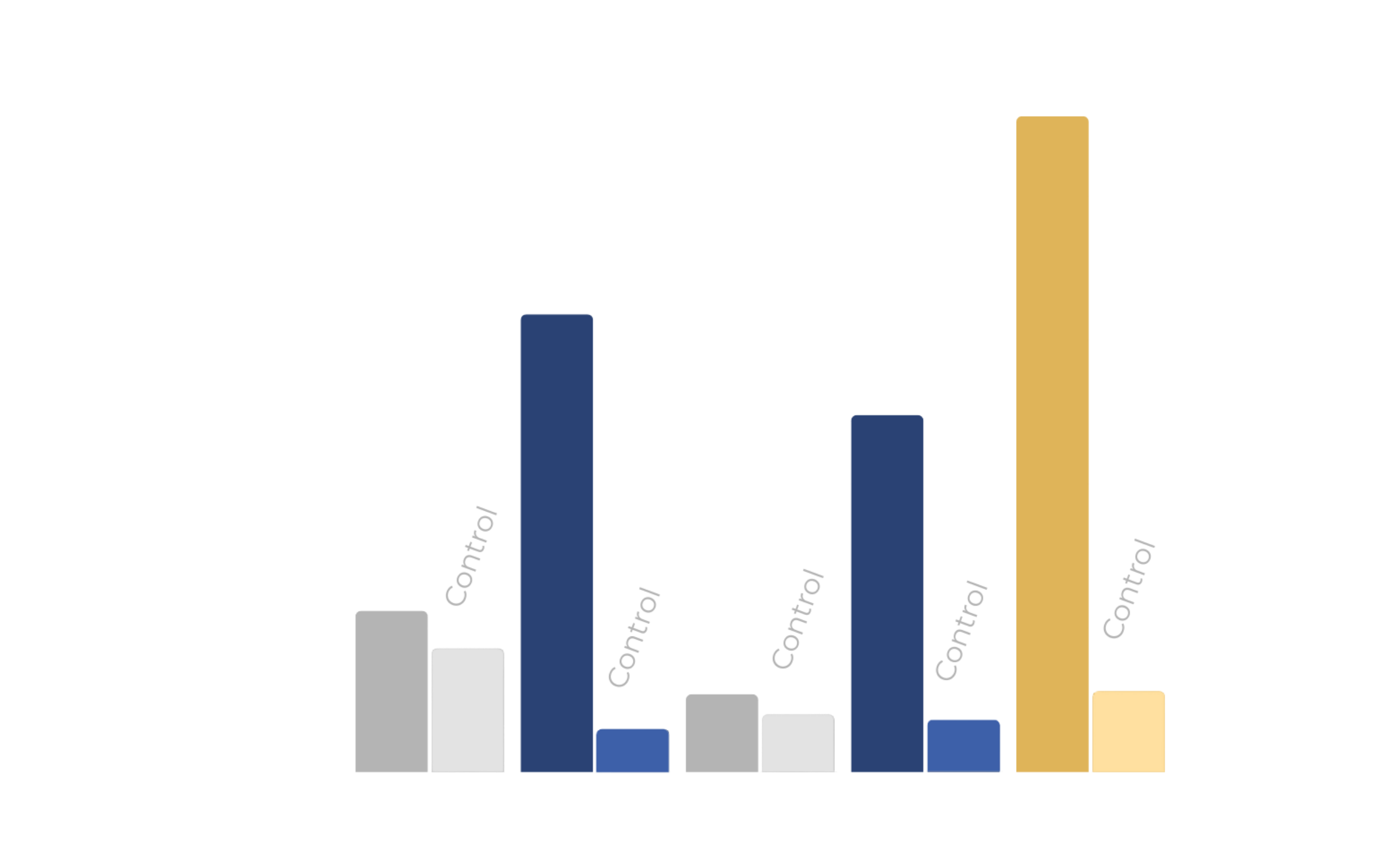
By round three, the project achieved strong enrichment and delivered five unique NANOBODY® sequences*, three confirmed as specific to the target. The lead clone (clone 5), showed outstanding binding, and several candidates demonstrated excellent affinity and functionality (clone 2 and 4) paving the way for preclinical studies and early human applications.
ProteoGenix enabled Heidelberg University to move rapidly from the initial antigen to a panel of validated unique NANOBODY® leads*. By combining phage display expertise, rigorous screening, and dedicated scientific support, the collaboration accelerated the translational development of their biologics program and laid the foundation for preclinical and early clinical studies.
The success of this collaboration came from a joint effort built on close communication, scientific expertise, and dedicated management. In a translational context, where licensing and commercialization are at stake, ProteoGenix provided not only clear go/no-go checkpoints to guide evidence-based decisions, but also key advantages: IP-free antibodies fully owned by the client, technologies designed for therapeutic developability, and end-to-end guidance across the value chain. These measures gave the client confidence to advance the best candidates while maximizing the future value of their discoveries.
Throughout the project, we greatly benefited from ProteoGenix’s strong scientific and technical expertise, as well as the dedication and responsiveness of our main contact. Their support was instrumental in overcoming key challenges and in accelerating the translational development of our lead candidate.
Founded in 1386, Heidelberg University is the oldest university in Germany and one of Europe’s leading research institutions. Renowned for its strength in medicine, life sciences, and translational research, it consistently ranks among the top universities worldwide. The university has a strong track record in oncology and immunology, with a focus on bridging cutting-edge science with clinical applications, making it an ideal partner for pioneering NANOBODY® protein* discovery and development.
*NANOBODY® compound is a registered trademark of Ablynx N.V.