Introduction
Bapineuzumab Biosimilar, also known as Anti-APP Abeta mAb, is a monoclonal antibody that has been developed as a potential treatment for Alzheimer’s disease. This biosimilar has been designed to target the amyloid-beta (Abeta) protein, which is believed to play a key role in the development and progression of Alzheimer’s disease. In this article, we will discuss the structure, activity, and potential applications of Bapineuzumab Biosimilar in the field of Alzheimer’s disease research.
Structure of Bapineuzumab Biosimilar
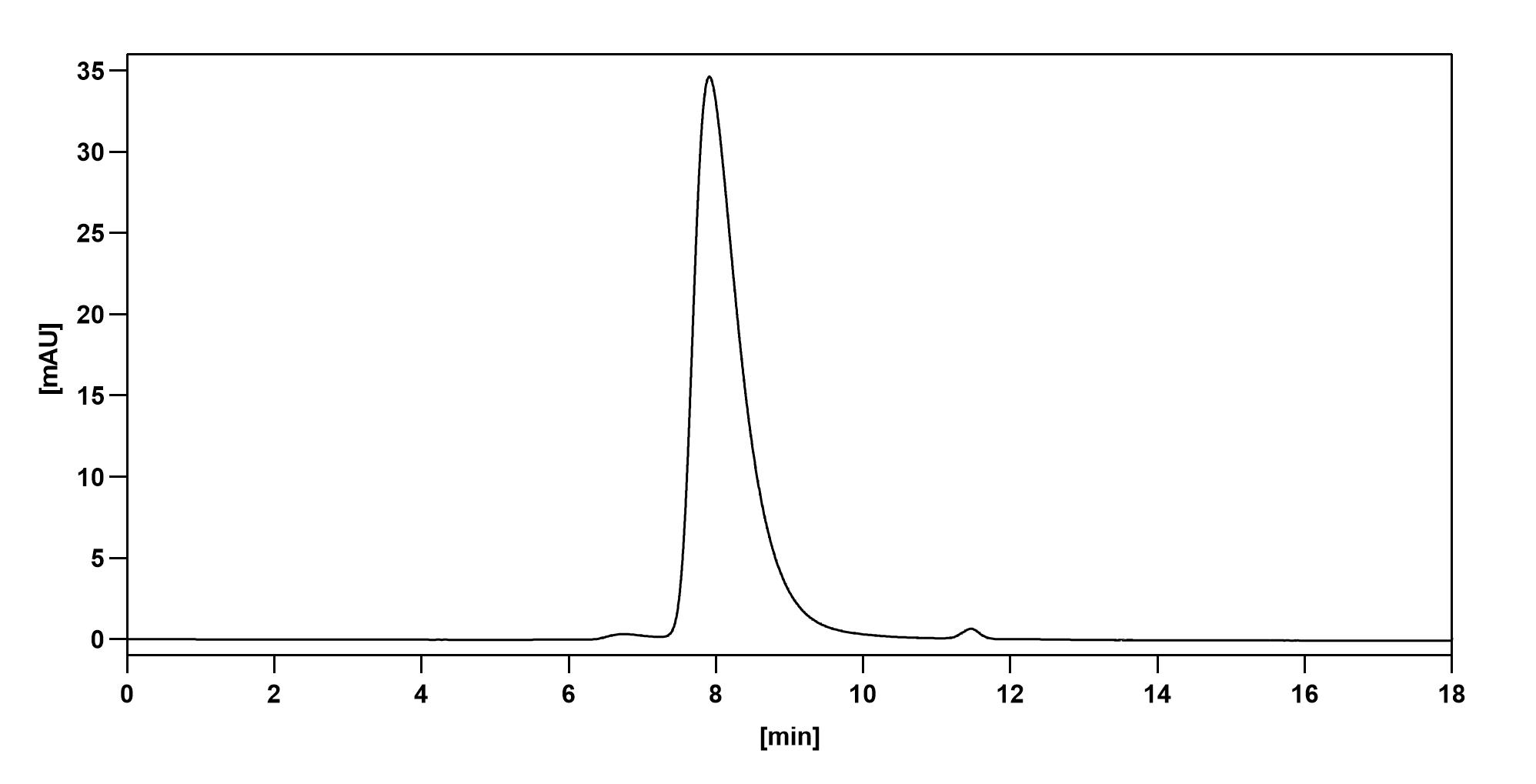
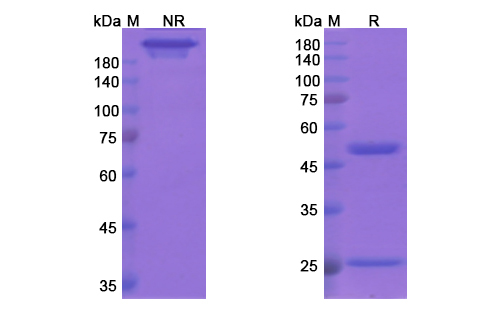
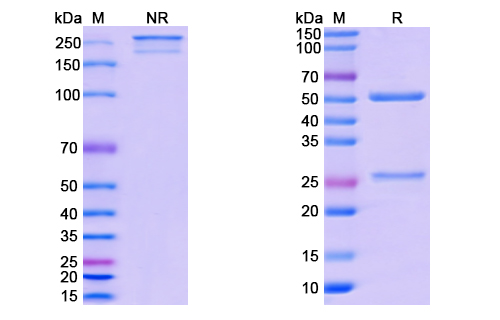
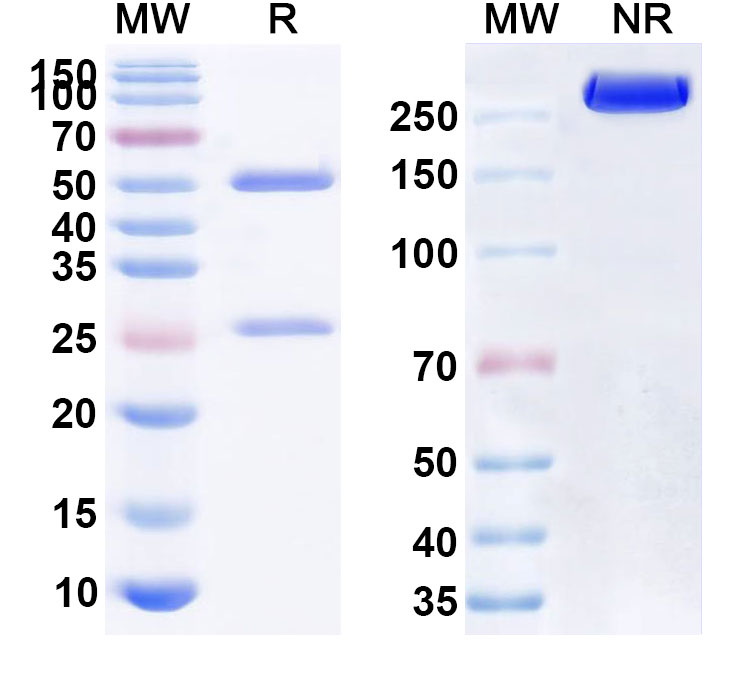
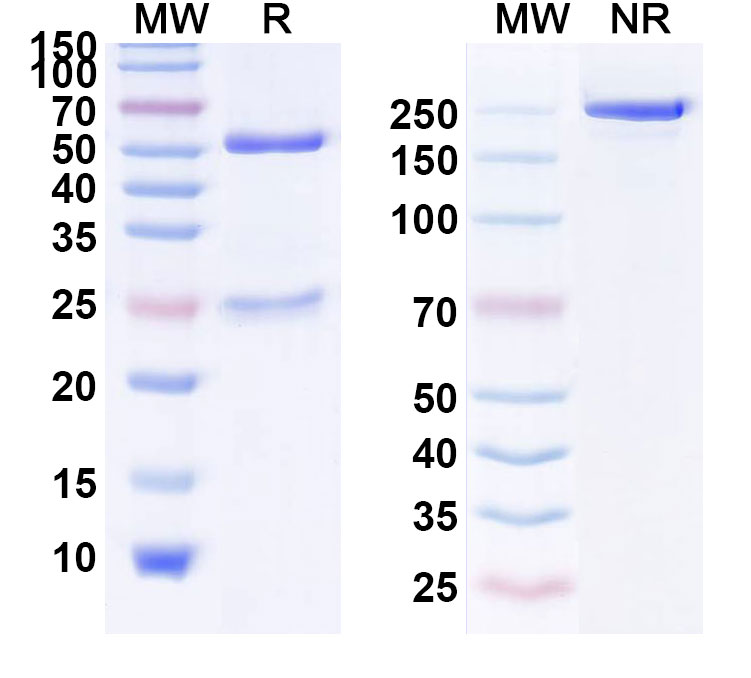
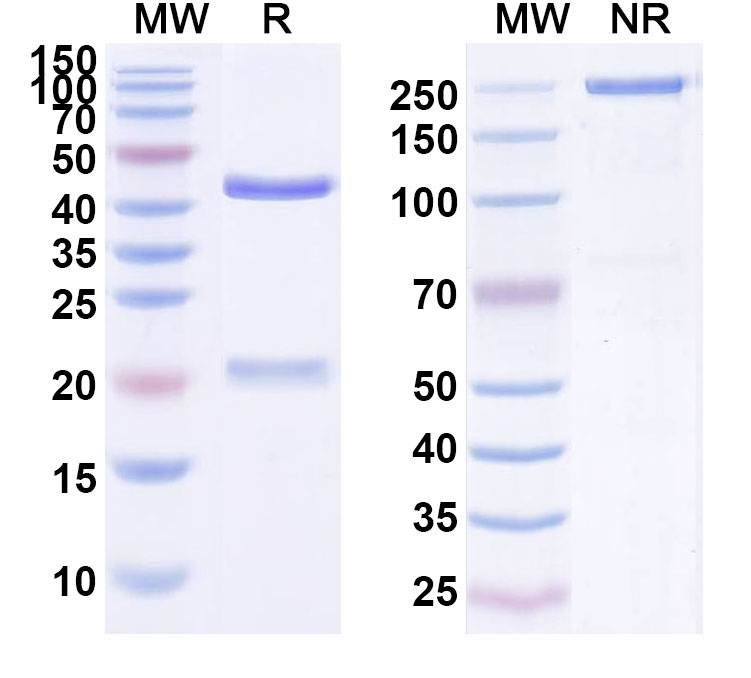
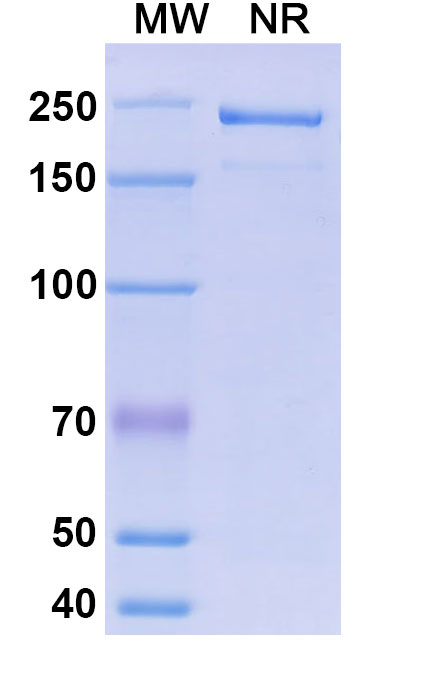
Bapineuzumab Biosimilar is a recombinant humanized monoclonal antibody that has been designed to mimic the structure and function of the original Bapineuzumab antibody. It is composed of two identical heavy chains and two identical light chains, which are linked together by disulfide bonds. The antibody has a molecular weight of approximately 150 kDa and is produced in mammalian cell lines using recombinant DNA technology.
The variable regions of Bapineuzumab Biosimilar are derived from the original Bapineuzumab antibody, which was developed by Elan Pharmaceuticals and Wyeth. These regions are responsible for binding to the Abeta protein and are highly specific for the beta-amyloid peptide, which is the major component of amyloid plaques in the brains of Alzheimer’s patients.
Activity of Bapineuzumab Biosimilar
The primary activity of Bapineuzumab Biosimilar is to bind to the Abeta protein and prevent its aggregation into toxic forms. This is achieved through the antibody’s ability to recognize and bind to specific regions of the Abeta protein, thereby inhibiting its ability to form amyloid plaques. In addition, Bapineuzumab Biosimilar may also promote the clearance of existing amyloid plaques by activating the immune system and facilitating the removal of these toxic protein aggregates.
Furthermore, Bapineuzumab Biosimilar has been shown to have anti-inflammatory effects, which may also contribute to its potential therapeutic benefits in Alzheimer’s disease. Chronic inflammation is believed to be a major contributor to the neurodegeneration observed in Alzheimer’s disease, and Bapineuzumab Biosimilar’s anti-inflammatory activity may help to reduce this damaging process.
Potential Applications of Bapineuzumab Biosimilar
Bapineuzumab Biosimilar is currently being investigated as a potential treatment for Alzheimer’s disease. It is believed that by targeting the Abeta protein, this antibody may be able to slow or even halt the progression of the disease. Several clinical trials have been conducted to evaluate the safety and efficacy of Bapineuzumab Biosimilar, and while some have shown promising results, others have been inconclusive.
In addition to its potential as a therapeutic agent, Bapineuzumab Biosimilar may also have applications in Alzheimer’s disease research. By binding to the Abeta protein, this antibody can be used as a tool to study the role of this protein in the development and progression of the disease. It may also be used in diagnostic assays to detect the presence of Abeta in the brains of Alzheimer’s patients.
Conclusion
Bapineuzumab Biosimilar, also known as Anti-APP Abeta mAb, is a recombinant humanized monoclonal antibody that has been developed as a potential treatment for Alzheimer’s disease. Its primary activity is to bind to the Abeta protein and prevent its aggregation, potentially slowing or halting the progression of the disease. In addition, Bapineuzumab Biosimilar may have anti-inflammatory effects and could also be used as a tool in Alzheimer’s disease research. Further studies are needed to fully understand the potential of this biosimilar in the treatment of Alzheimer’s disease.


There are no reviews yet.