Introduction
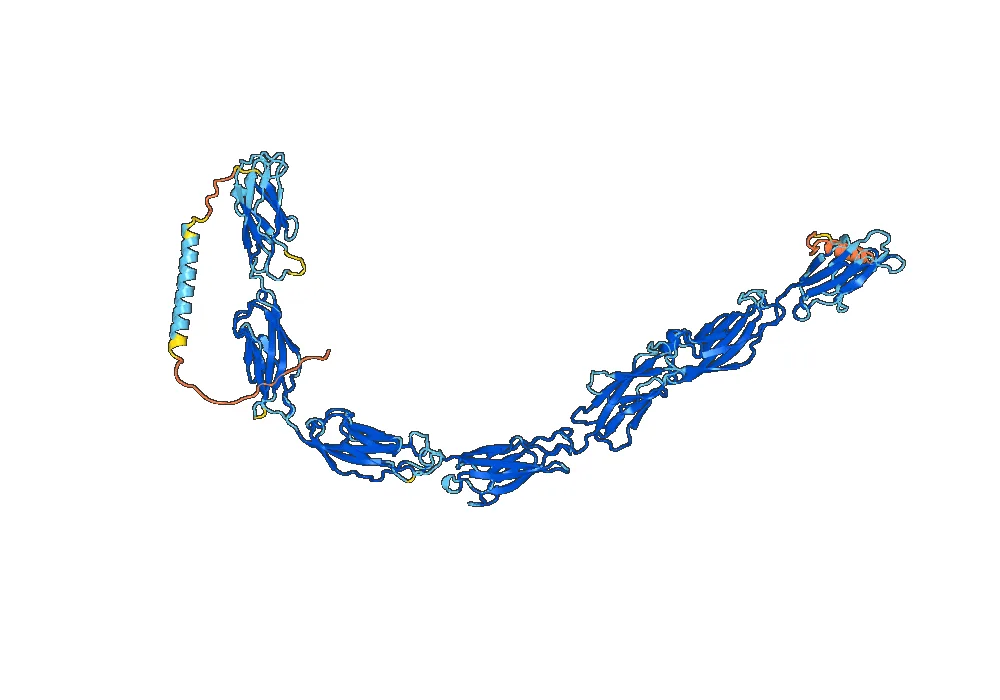
Cabotamig Biosimilar is a novel antibody that specifically targets CDH17, a T-cell surface glycoprotein that plays a crucial role in various physiological and pathological processes. This research-grade antibody has shown promising results in preclinical studies and holds great potential for therapeutic applications in various diseases. In this article, we will provide a detailed description of the structure, activity, and potential applications of Cabotamig Biosimilar.
Structure of Cabotamig Biosimilar
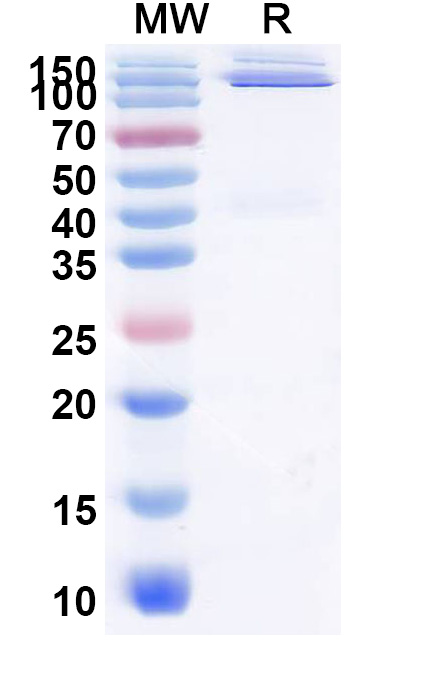
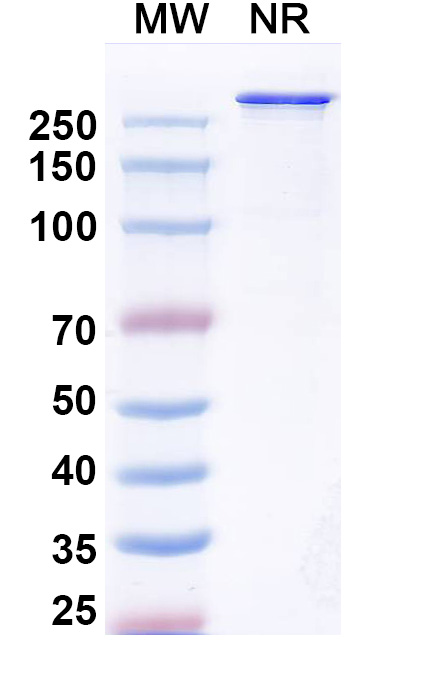
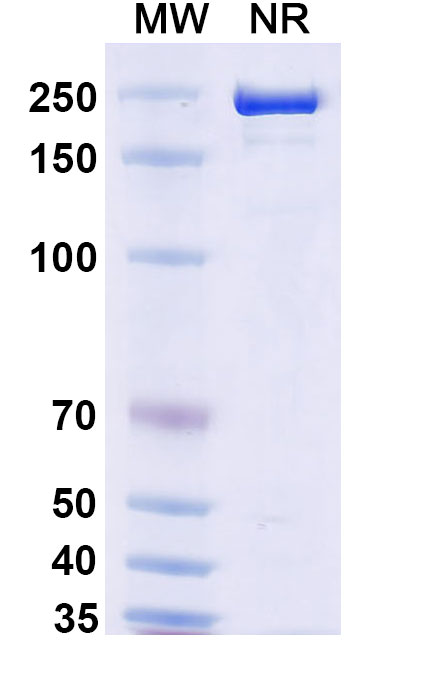
Cabotamig Biosimilar is a monoclonal antibody (mAb) that is produced by recombinant DNA technology. It is a fully humanized antibody, meaning it is derived from human genes and has a higher affinity and specificity for its target compared to other antibodies. The antibody has a molecular weight of approximately 150 kDa and consists of two identical heavy chains and two identical light chains. The heavy chains are composed of four constant domains (CH1, CH2, CH3, and CH4) and one variable domain (VH), while the light chains have two constant domains (CL) and one variable domain (VL). The variable domains of both heavy and light chains are responsible for binding to the target CDH17.
Mechanism of Action
Cabotamig Biosimilar works by targeting and binding to CDH17, a glycoprotein that is expressed on the surface of T-cells. This binding triggers a cascade of events that ultimately leads to the destruction of CDH17-expressing cells. The antibody can also activate the immune system to recognize and eliminate these cells. Additionally, Cabotamig Biosimilar can also block the signaling pathways involved in the growth and survival of CDH17-positive cells, thereby inhibiting their proliferation and survival.
Therapeutic Applications
Cabotamig Biosimilar has shown promising results in preclinical studies as a potential therapy for various diseases. Some of the potential applications of this antibody are:
Cancer CDH17 is overexpressed in various types of cancer, including gastric, colorectal, pancreatic, and lung cancer. Cabotamig Biosimilar has shown to be effective in targeting and destroying CDH17-positive cancer cells in preclinical studies. It can also enhance the anti-tumor immune response, making it a promising candidate for cancer immunotherapy.
Inflammatory Bowel Disease (IBD)
CDH17 has been implicated in the pathogenesis of IBD, a chronic inflammatory disorder of the gastrointestinal tract. Cabotamig Biosimilar has shown to reduce inflammation and improve symptoms in preclinical models of IBD. It can also modulate the immune response and promote tissue repair, making it a potential therapy for IBD.
Autoimmune Diseases
CDH17 has been identified as a potential therapeutic target in autoimmune diseases such as rheumatoid arthritis and multiple sclerosis. Cabotamig Biosimilar has shown to effectively target and destroy CDH17-expressing cells in preclinical models of these diseases. It can also modulate the immune response and prevent the destruction of healthy cells, making it a promising therapy for autoimmune diseases.
Organ Transplant Rejection
CDH17 is involved in the rejection of transplanted organs by the immune system. Cabotamig Biosimilar has shown to inhibit the immune response and prolong the survival of transplanted organs in preclinical models. It can also reduce the need for immunosuppressive drugs, which have various side effects.
Conclusion
Cabotamig Biosimilar is a revolutionary antibody that specifically targets CDH17, a T-cell surface glycoprotein involved in various diseases. Its unique structure and mechanism of action make it a promising candidate for therapeutic applications in cancer, IBD, autoimmune diseases, and organ transplant rejection. Further clinical studies are needed to fully explore the potential of this antibody in treating these diseases.
There are no reviews yet.