Crizanlizumab Biosimilar – Anti-SELP mAb – Research Grade Crizanlizumab Biosimilar – Anti-SELP mAb – Research Grade Introduction
Crizanlizumab Biosimilar is a monoclonal antibody (mAb) that targets the protein SELP (P-selectin glycoprotein ligand-1). It is a biosimilar of the FDA-approved drug, crizanlizumab, which is used for the prevention of vaso-occlusive crises in patients with sickle cell disease. This research grade version of the drug is intended for use in laboratory studies and pre-clinical research.
Structure of Crizanlizumab Biosimilar
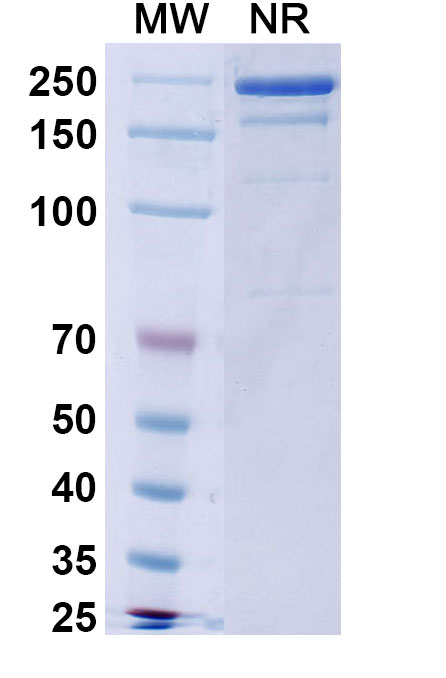
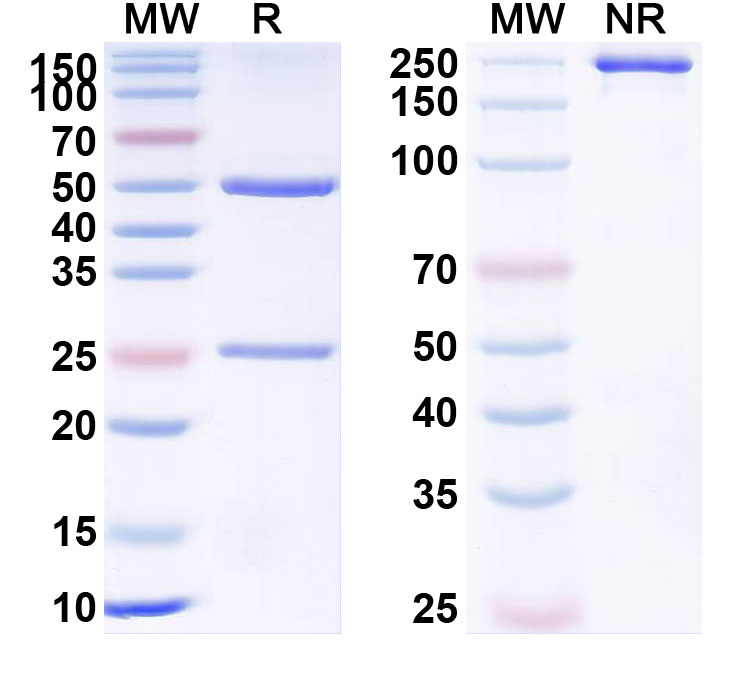
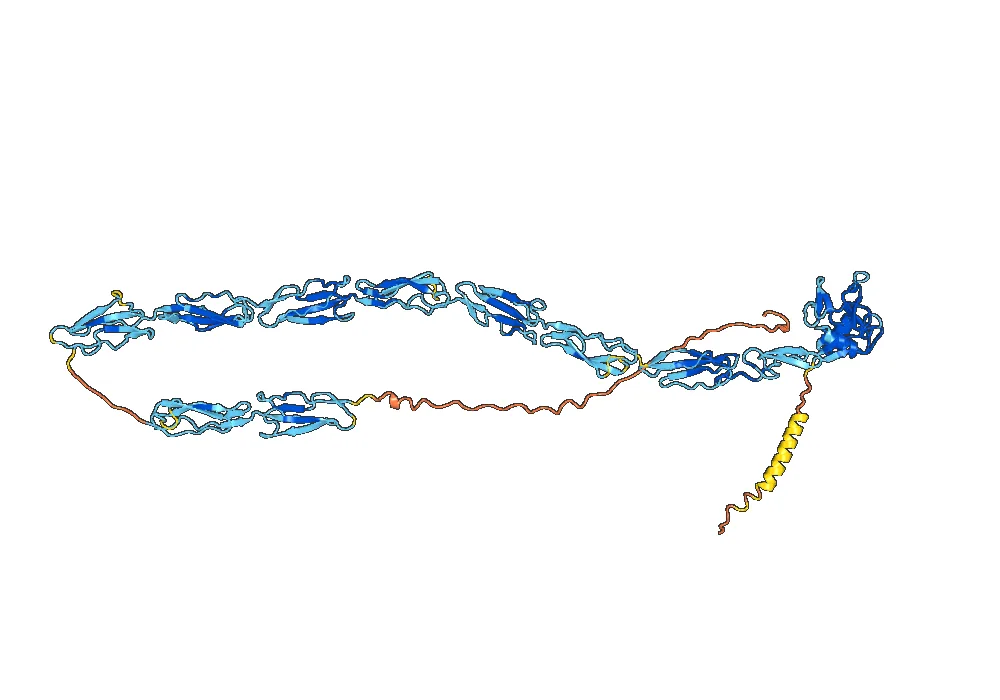
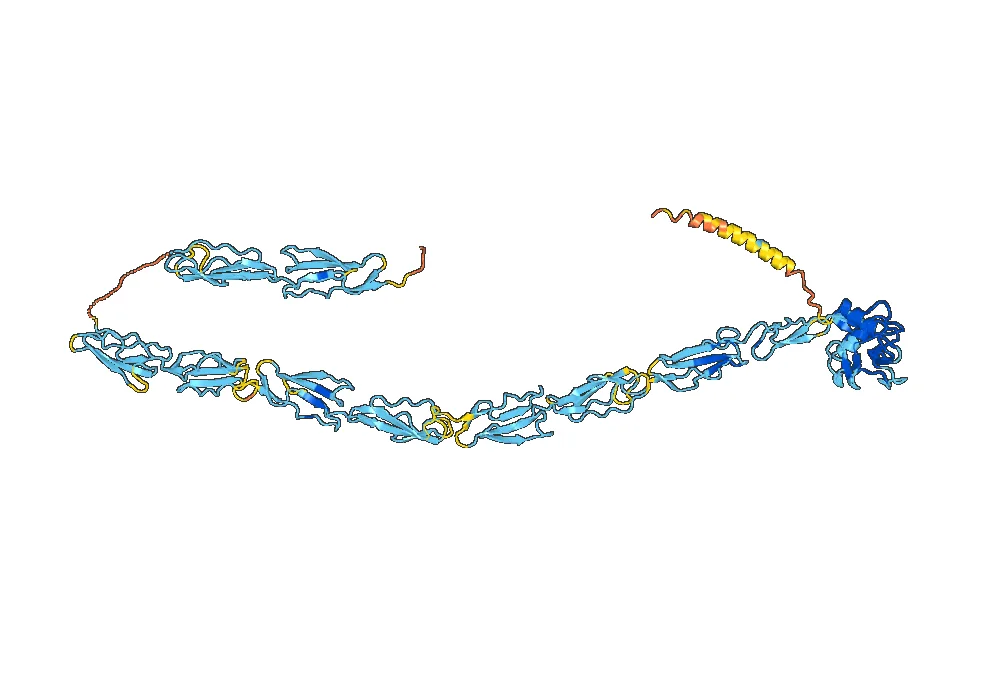
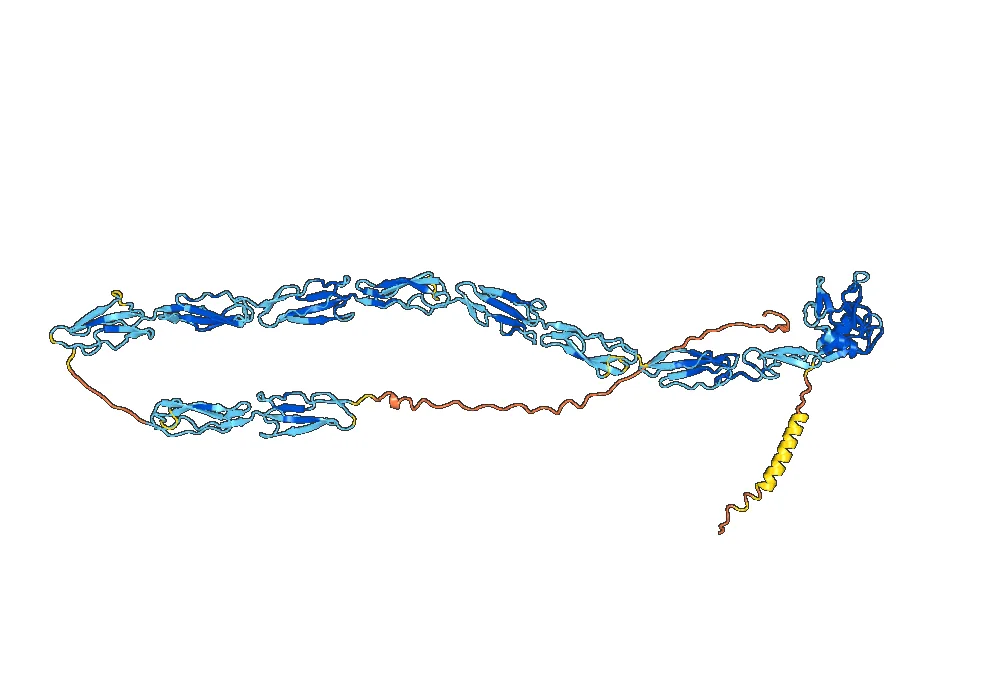
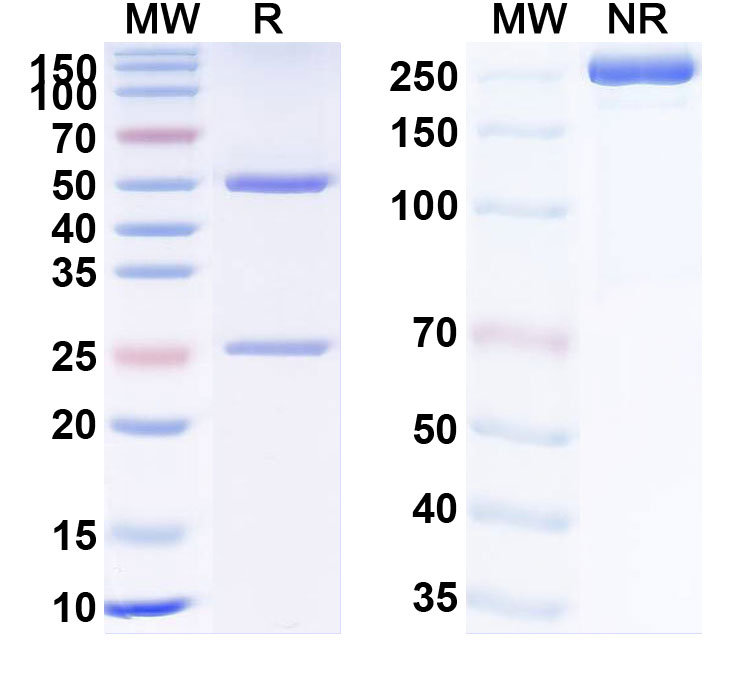
Crizanlizumab Biosimilar is a humanized IgG2 kappa monoclonal antibody. It is composed of two heavy chains and two light chains, with a molecular weight of approximately 150 kDa. The antibody is produced using recombinant DNA technology in mammalian cell culture.
Activity of Crizanlizumab Biosimilar
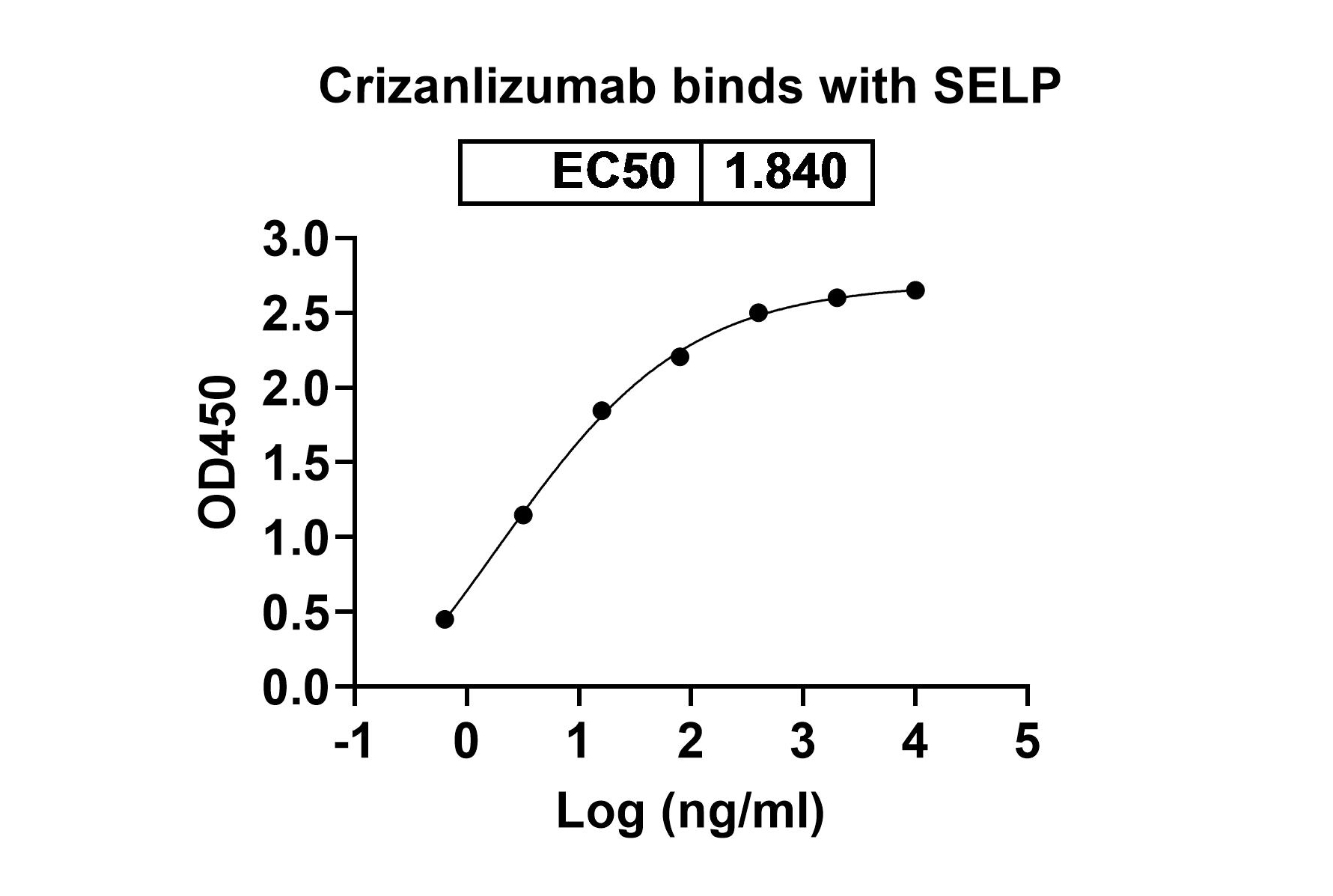
Crizanlizumab Biosimilar binds specifically to SELP, a protein found on the surface of endothelial cells and platelets. SELP plays a crucial role in the adhesion and recruitment of leukocytes to sites of inflammation, which can lead to vaso-occlusive crises in patients with sickle cell disease. By binding to SELP, Crizanlizumab Biosimilar blocks the interaction between SELP and its ligand, P-selectin, thereby preventing the adhesion of leukocytes and reducing inflammation.
Application of Crizanlizumab Biosimilar
Crizanlizumab Biosimilar has potential applications in the field of sickle cell disease research. It can be used in laboratory studies to investigate the role of SELP in vaso-occlusive crises and to evaluate the efficacy of Crizanlizumab in preventing these crises. The biosimilar can also be used in pre-clinical studies to assess its safety and effectiveness in animal models of sickle cell disease.
Benefits of using Crizanlizumab Biosimilar
Using Crizanlizumab Biosimilar in research has several benefits. Firstly, it is a cost-effective alternative to the FDA-approved drug, crizanlizumab, making it more accessible for research purposes. Secondly, the biosimilar has been shown to have similar binding affinity and biological activity as the original drug, ensuring reliable and consistent results in experiments. Lastly, using a research grade version of the drug allows for the evaluation of its potential therapeutic effects in sickle cell disease without the need for clinical trials.
Conclusion
Crizanlizumab Biosimilar is a monoclonal antibody that specifically targets SELP and has potential applications in sickle cell disease research. Its structure, activity, and benefits make it a valuable tool in investigating the role of SELP in vaso-occlusive crises and evaluating the efficacy of Crizanlizumab in preventing these crises. The availability of a research grade version of the drug provides a cost-effective and reliable option for pre-clinical studies.

There are no reviews yet.