Introduction
Frexalimab Biosimilar, also known as Anti-CD40LG mAb, is a research grade monoclonal antibody that has been developed as a potential therapeutic agent for various diseases. This novel antibody targets the CD40 ligand (CD40LG), a protein that plays a crucial role in the immune system. In this article, we will discuss the structure, activity, and potential applications of Frexalimab Biosimilar in detail.
Structure of Frexalimab Biosimilar
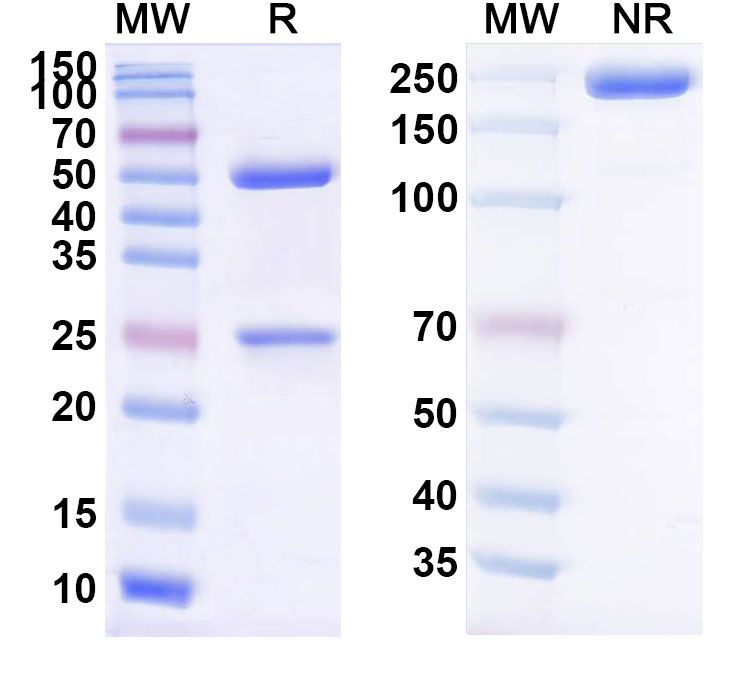
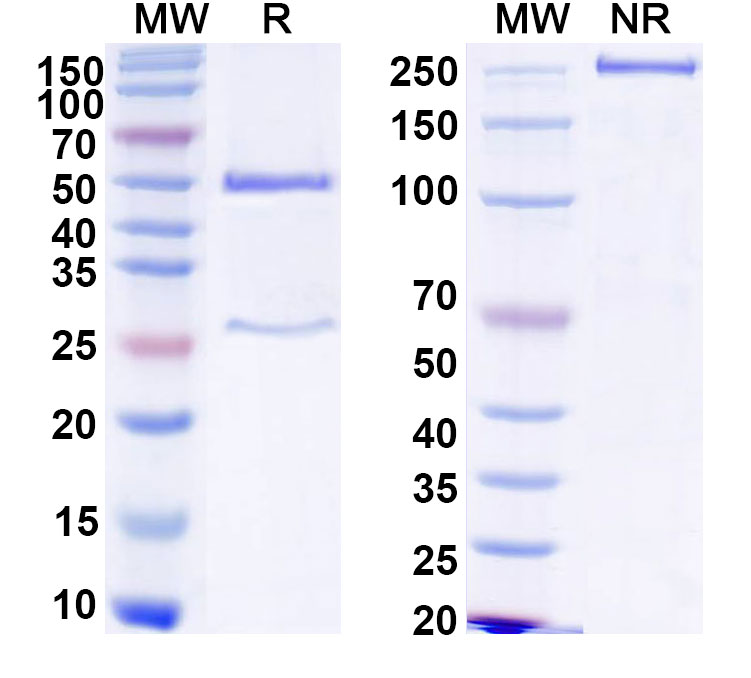
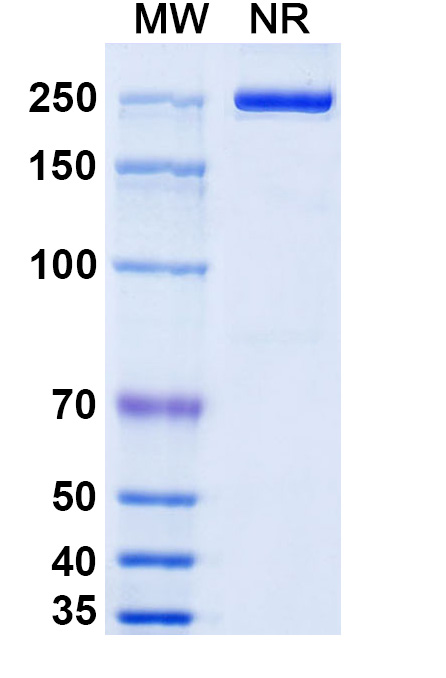
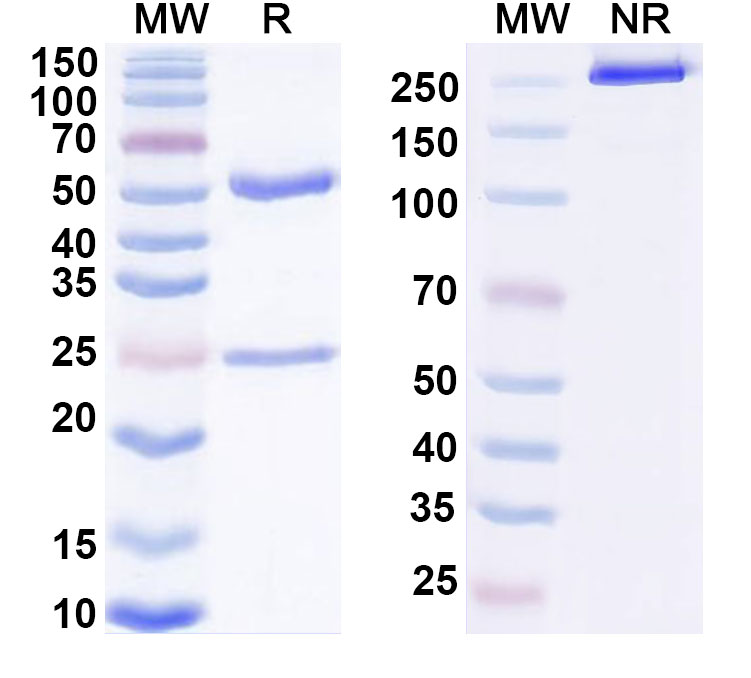
Frexalimab Biosimilar is a humanized monoclonal antibody, meaning that it is derived from both human and mouse sources. It is composed of two heavy chains and two light chains, with a molecular weight of approximately 150 kDa. The antibody has a Y-shaped structure, with two Fab regions and one Fc region. The Fab regions are responsible for binding to the target CD40LG protein, while the Fc region is responsible for effector functions such as antibody-dependent cellular cytotoxicity (ADCC) and complement-dependent cytotoxicity (CDC).
Activity of Frexalimab Biosimilar
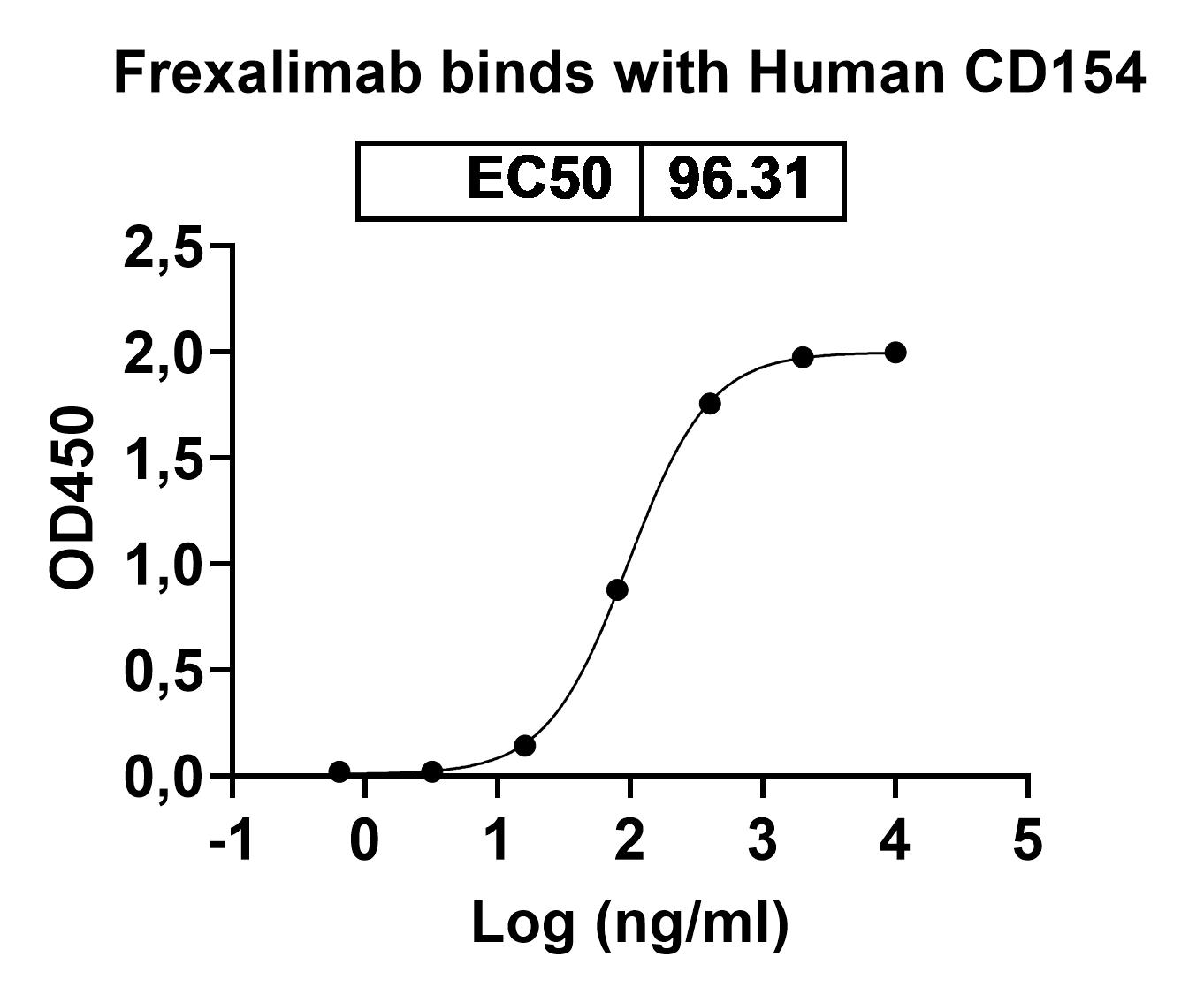
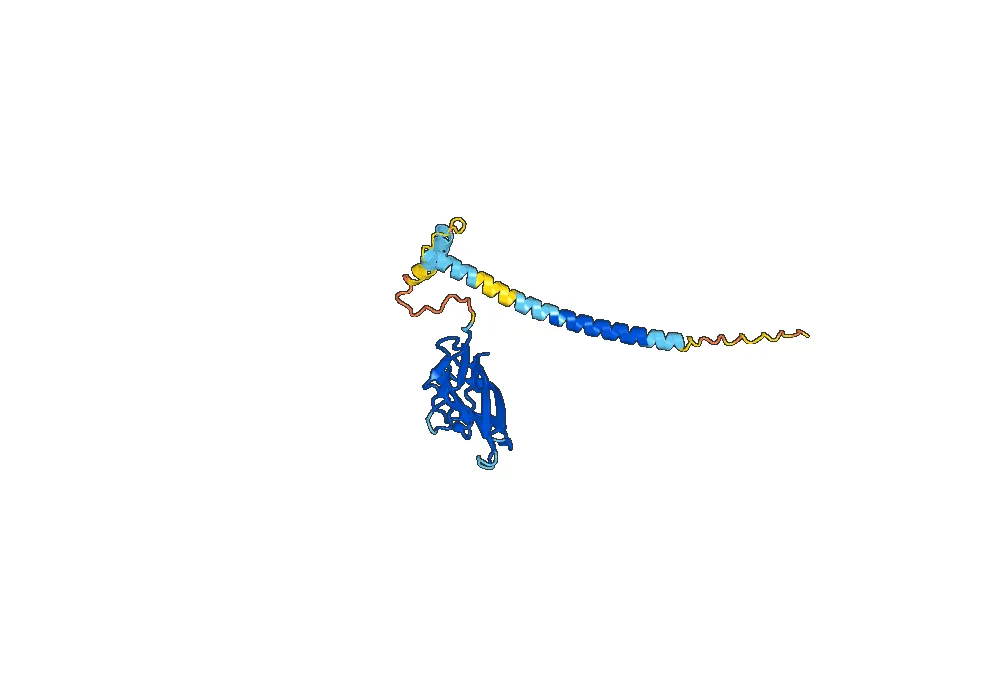
Frexalimab Biosimilar specifically targets the CD40LG protein, which is expressed on the surface of activated T cells. This protein plays a crucial role in the immune response by activating B cells and promoting the production of pro-inflammatory cytokines. However, dysregulation of CD40LG has been implicated in various autoimmune diseases, making it an attractive therapeutic target.
By binding to CD40LG, Frexalimab Biosimilar inhibits its activity and prevents the activation of B cells and production of pro-inflammatory cytokines. This leads to a reduction in inflammation and potentially disease progression. In addition, the Fc region of the antibody can also recruit immune cells to the site of inflammation, further enhancing its therapeutic effects.
Applications of Frexalimab Biosimilar
Frexalimab Biosimilar has shown promising results in preclinical studies for a variety of autoimmune diseases, including rheumatoid arthritis, systemic lupus erythematosus, and multiple sclerosis. It has also been investigated as a potential treatment for solid tumors, as CD40LG has been shown to play a role in tumor growth and progression.
In addition, Frexalimab Biosimilar has also been evaluated as a potential therapy for transplant rejection. CD40LG has been implicated in the rejection of transplanted organs, and by targeting this protein, Frexalimab Biosimilar may help prevent rejection and prolong graft survival.
Conclusion
In summary, Frexalimab Biosimilar is a novel research grade monoclonal antibody that targets the CD40LG protein. Its unique structure and activity make it a promising therapeutic agent for various autoimmune diseases, solid tumors, and transplant rejection. Further clinical studies are needed to fully understand the potential of this antibody and its role in the treatment of these diseases.
There are no reviews yet.