Lpathomab Biosimilar: A Promising Antibody Against LPA for Therapeutic Targeting
Lpathomab Biosimilar, also known as Anti-LPA mAb, is a novel antibody that has shown promising results in targeting Lysophosphatidic Acid (LPA) for therapeutic purposes. LPA is a bioactive lipid molecule that plays a crucial role in various physiological and pathological processes, making it an attractive therapeutic target for many diseases. In this article, we will delve into the structure, activity, and potential applications of Lpathomab Biosimilar as a research-grade antibody.
Structure of Lpathomab Biosimilar
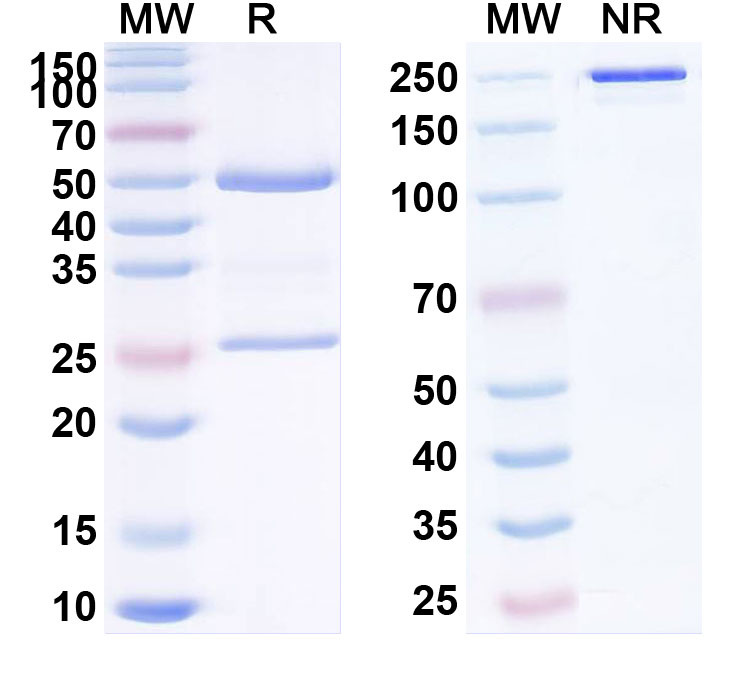
Lpathomab Biosimilar is a monoclonal antibody that specifically binds to LPA with high affinity. It is a recombinant humanized antibody, meaning that it is derived from human antibodies but has been modified to reduce its immunogenicity. The antibody has a molecular weight of approximately 150 kDa and is composed of two heavy chains and two light chains. The heavy chains consist of four constant domains (CH1, CH2, CH3, and CH4) and one variable domain (VH), while the light chains consist of two constant domains (CL) and one variable domain (VL). The variable domains of both heavy and light chains are responsible for binding to LPA, making Lpathomab Biosimilar a highly specific antibody.
Activity of Lpathomab Biosimilar
Lpathomab Biosimilar exerts its activity by specifically targeting and binding to LPA, thereby inhibiting its biological functions. LPA is known to activate multiple signaling pathways, such as the Rho, PI3K/Akt, and MAPK pathways, which are involved in cell proliferation, survival, migration, and differentiation. By binding to LPA, Lpathomab Biosimilar effectively blocks these pathways, leading to the suppression of LPA-mediated cellular responses. This makes Lpathomab Biosimilar a potential therapeutic agent for diseases where LPA signaling is dysregulated, such as cancer, fibrosis, and neuropathic pain.
Applications of Lpathomab Biosimilar
Lpathomab Biosimilar has shown promising results in preclinical studies for various diseases, making it a potential candidate for therapeutic targeting. Some of its potential applications include:
Cancer LPA has been implicated in the development and progression of various types of cancer, including breast, ovarian, and prostate cancer. Lpathomab Biosimilar has shown to inhibit LPA-induced proliferation and migration of cancer cells, as well as reduce tumor growth in animal models. It has also been shown to sensitize cancer cells to chemotherapy, making it a potential adjuvant therapy for cancer treatment.
Fibrosis
Fibrosis is a pathological condition characterized by excessive deposition of extracellular matrix, leading to tissue scarring and organ dysfunction. LPA has been shown to play a key role in the development of fibrosis by promoting the activation and proliferation of fibroblasts. Lpathomab Biosimilar has shown to inhibit LPA-induced fibroblast activation and reduce fibrosis in animal models, making it a potential therapeutic agent for fibrotic diseases such as liver cirrhosis and pulmonary fibrosis.
Neuropathic Pain
Neuropathic pain is a chronic pain condition caused by damage or dysfunction of the nervous system. LPA has been shown to contribute to the development of neuropathic pain by activating pain-sensing neurons and promoting neuroinflammation. Lpathomab Biosimilar has shown to alleviate neuropathic pain in animal models by blocking LPA signaling, making it a potential treatment for this debilitating condition.
Conclusion
Lpathomab Biosimilar, a novel antibody targeting LPA, has shown promising results in preclinical studies for various diseases. Its specific binding to LPA and inhibition of L
There are no reviews yet.