Introduction
Miptenalimab Biosimilar, also known as Anti-LAG3 mAb, is a monoclonal antibody that targets the Lymphocyte-activation gene 3 (LAG3) protein. This protein is a member of the immunoglobulin superfamily and is expressed on the surface of various immune cells, including T cells, B cells, and natural killer cells. Miptenalimab Biosimilar is a research grade antibody that has been developed as a potential therapeutic for various immune-related diseases.
Structure of Miptenalimab Biosimilar
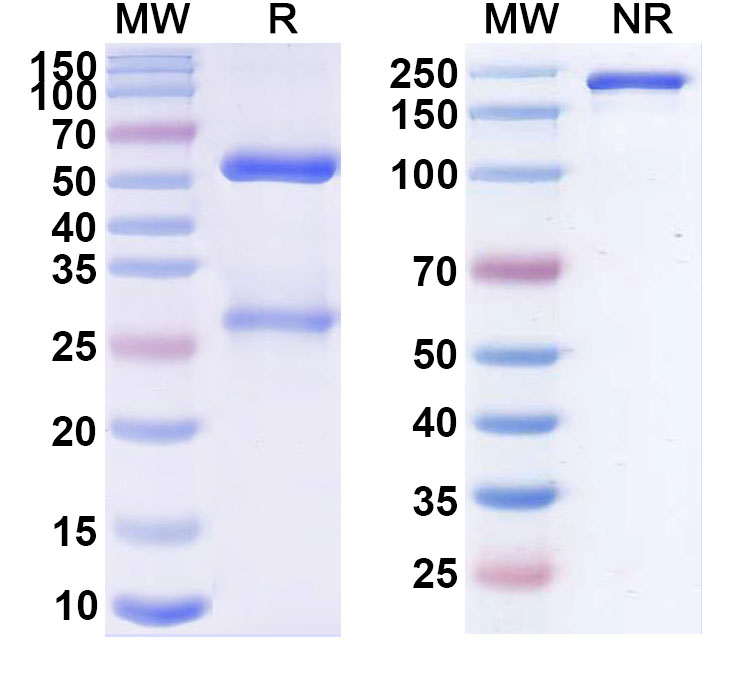
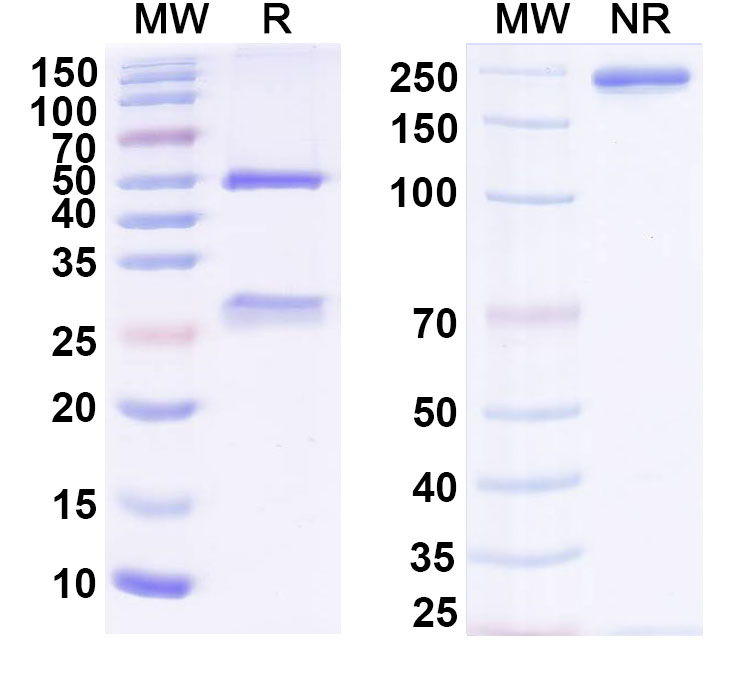
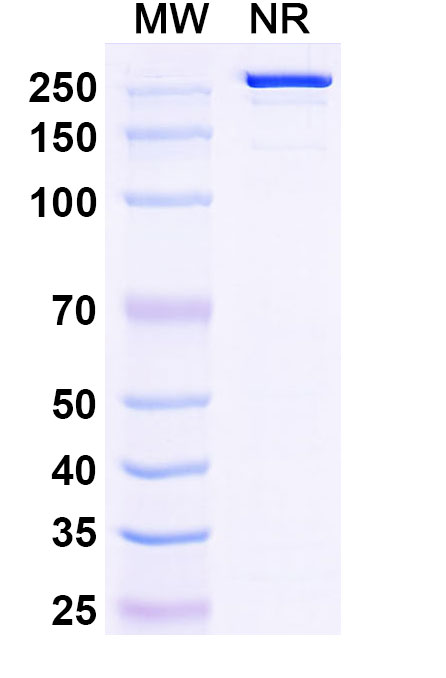
Miptenalimab Biosimilar is a fully humanized IgG4 monoclonal antibody, meaning it is derived from human genetic material and has been engineered to minimize potential immunogenicity. It has a molecular weight of approximately 150 kDa and is composed of two heavy chains and two light chains. The antibody binds to the extracellular domain of LAG3, specifically targeting the four Ig-like domains of the protein.
Activity of Miptenalimab Biosimilar
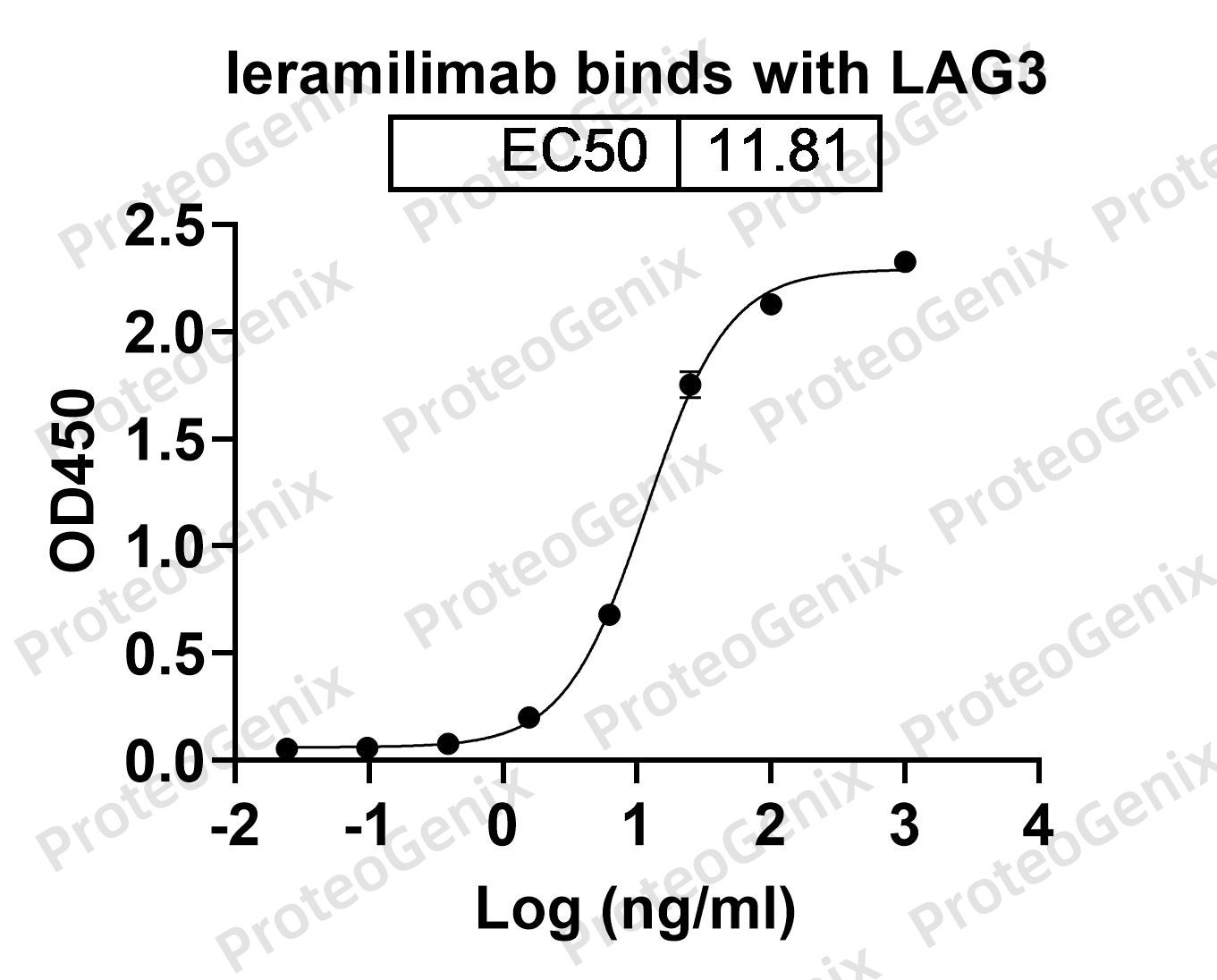
The main function of Miptenalimab Biosimilar is to block the interaction between LAG3 and its ligands, such as MHC class II molecules and galectin-3. This binding inhibits the inhibitory signaling pathway of LAG3, leading to enhanced activation and proliferation of immune cells. Miptenalimab Biosimilar has also been shown to promote the production of pro-inflammatory cytokines and enhance the cytotoxic activity of T cells and natural killer cells.
Therapeutic Applications
Miptenalimab Biosimilar has shown promising results in preclinical studies for the treatment of various immune-related diseases. It has been investigated as a potential therapy for autoimmune diseases, including rheumatoid arthritis, multiple sclerosis, and systemic lupus erythematosus. In addition, Miptenalimab Biosimilar has also shown potential in treating solid tumors, such as melanoma, non-small cell lung cancer, and colorectal cancer.
Autoimmune Diseases
The inhibitory activity of LAG3 on immune cells is thought to contribute to the development of autoimmune diseases. By blocking LAG3, Miptenalimab Biosimilar can potentially reduce the inhibitory signals and restore the balance of the immune system. In preclinical studies, Miptenalimab Biosimilar has shown efficacy in reducing disease severity and improving symptoms in animal models of rheumatoid arthritis and multiple sclerosis.
Cancer Immunotherapy
LAG3 is also known to be expressed on exhausted T cells in the tumor microenvironment, which can limit the effectiveness of cancer immunotherapy. Miptenalimab Biosimilar has been shown to enhance the anti-tumor activity of T cells by blocking the inhibitory signals of LAG3. In preclinical studies, Miptenalimab Biosimilar has demonstrated promising results in combination with other immunotherapies, such as anti-PD1 antibodies, in various solid tumors.
Future Developments
Miptenalimab Biosimilar is currently in the early stages of clinical development, with ongoing phase I/II trials for the treatment of autoimmune diseases and solid tumors. The results from these trials will provide valuable insights into the safety and efficacy of Miptenalimab Biosimilar and its potential as a therapeutic agent. In addition, further research is being conducted to explore the potential of Miptenalimab Biosimilar in combination with other immunotherapies and as a monotherapy in other diseases.
Conclusion
In summary, Miptenalimab Biosimilar is a research grade antibody that targets the LAG3 protein and has shown promising results in preclinical studies for the treatment of autoimmune diseases and solid tumors. Its ability to block the inhibitory signaling of LAG3 makes it a potential therapeutic agent for restoring immune balance and enhancing anti-tumor activity. Further clinical trials and research will provide more insights into the potential of Miptenalimab Biosimilar as a novel treatment option for various immune-related diseases.

There are no reviews yet.