Introduction
Mosunetuzumab is a novel bispecific antibody that has shown promising results in the treatment of B-cell malignancies. It is designed to target both CD20, a well-known therapeutic target, and CD3, a T-cell co-receptor. The Mosunetuzumab ELISA Kit is a valuable tool for researchers studying the structure, activity, and application of this innovative therapy.
Structure of Mosunetuzumab
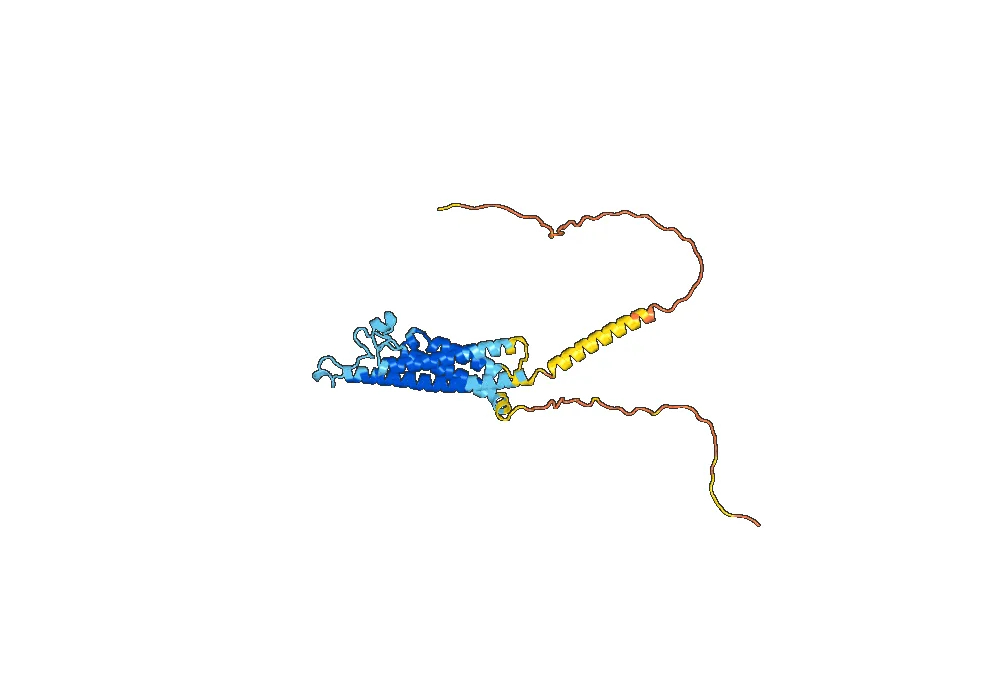
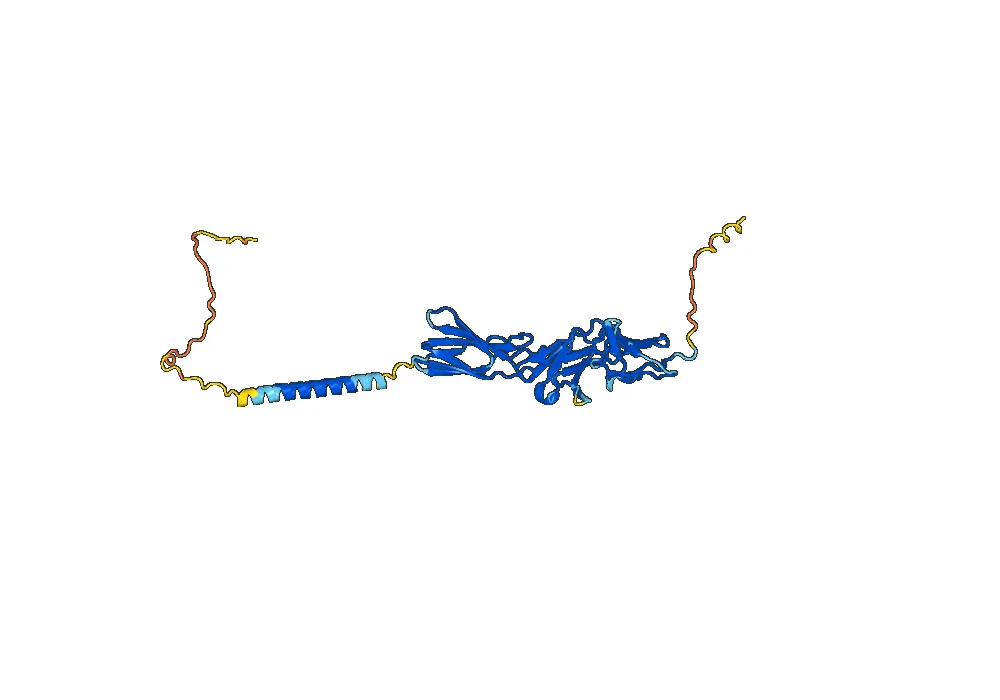
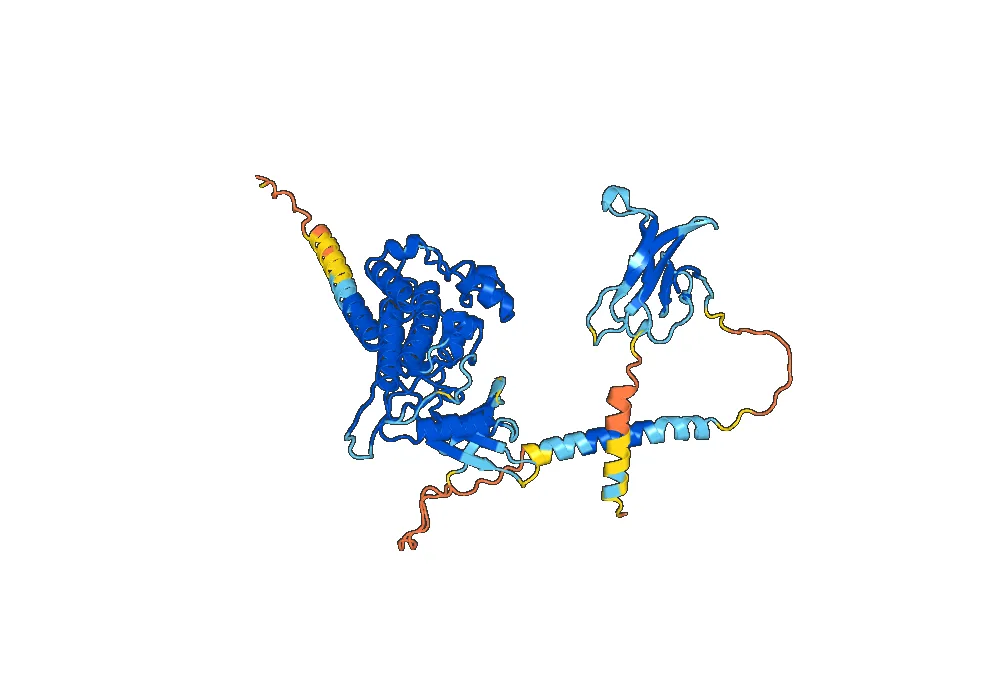
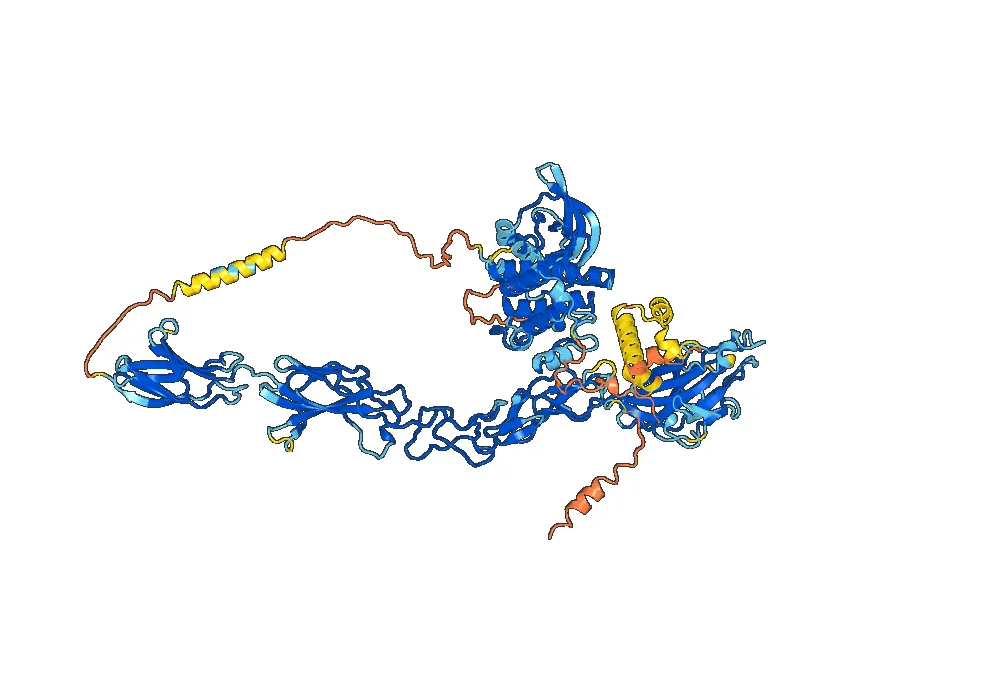
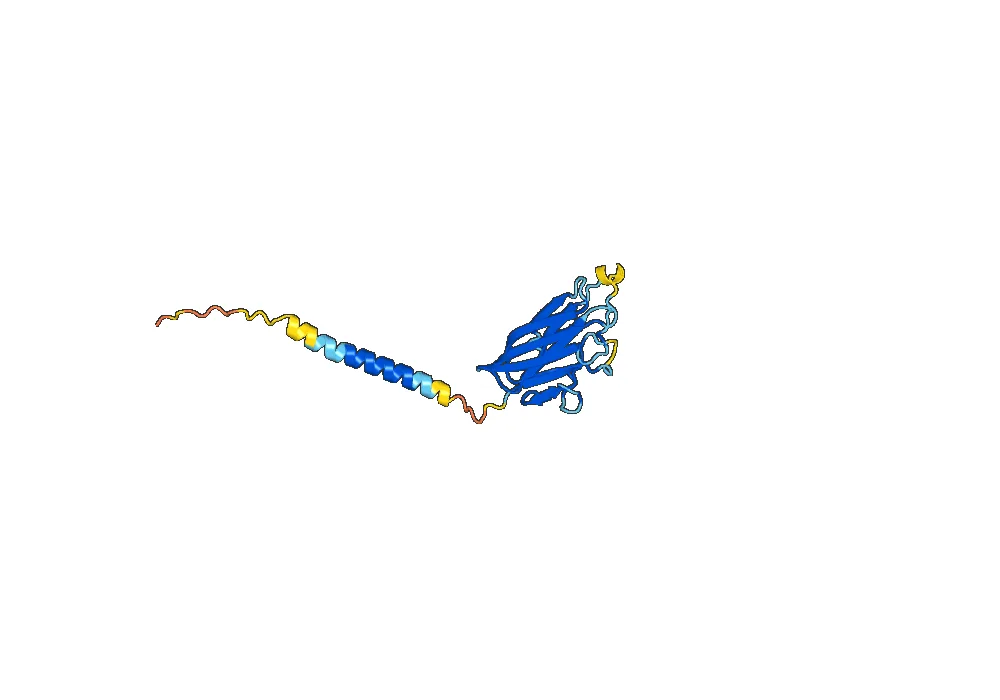
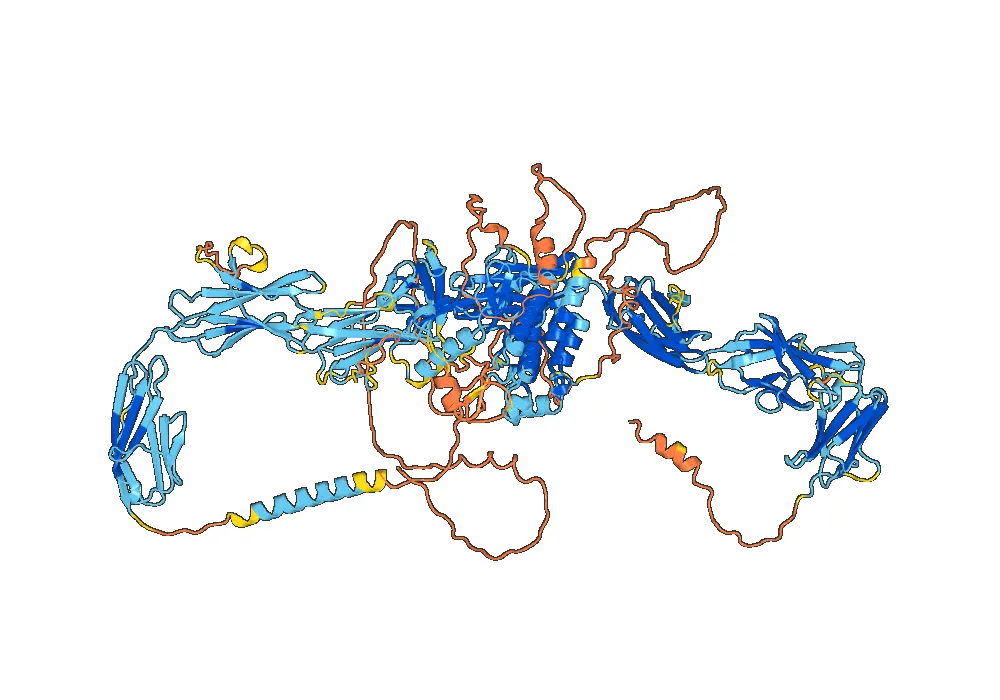
Mosunetuzumab is a bispecific antibody that is composed of two different monoclonal antibodies, one targeting CD20 and the other targeting CD3. The CD20 targeting antibody is derived from obinutuzumab, while the CD3 targeting antibody is derived from a humanized version of blinatumomab. These two antibodies are joined together by a flexible linker, allowing for simultaneous binding to both CD20 and CD3.
The Mosunetuzumab ELISA Kit detects both the CD20 and CD3 binding regions of the antibody, providing researchers with valuable information about its structure and potential mechanisms of action.
Activity of Mosunetuzumab
Mosunetuzumab works by bringing together CD20-expressing B-cells and CD3-expressing T-cells, leading to the formation of a cytolytic synapse. This results in the activation and proliferation of T-cells, which then target and eliminate the CD20-expressing B-cells. This mechanism of action is similar to that of blinatumomab, but with the added benefit of targeting CD20, a well-known therapeutic target in B-cell malignancies.
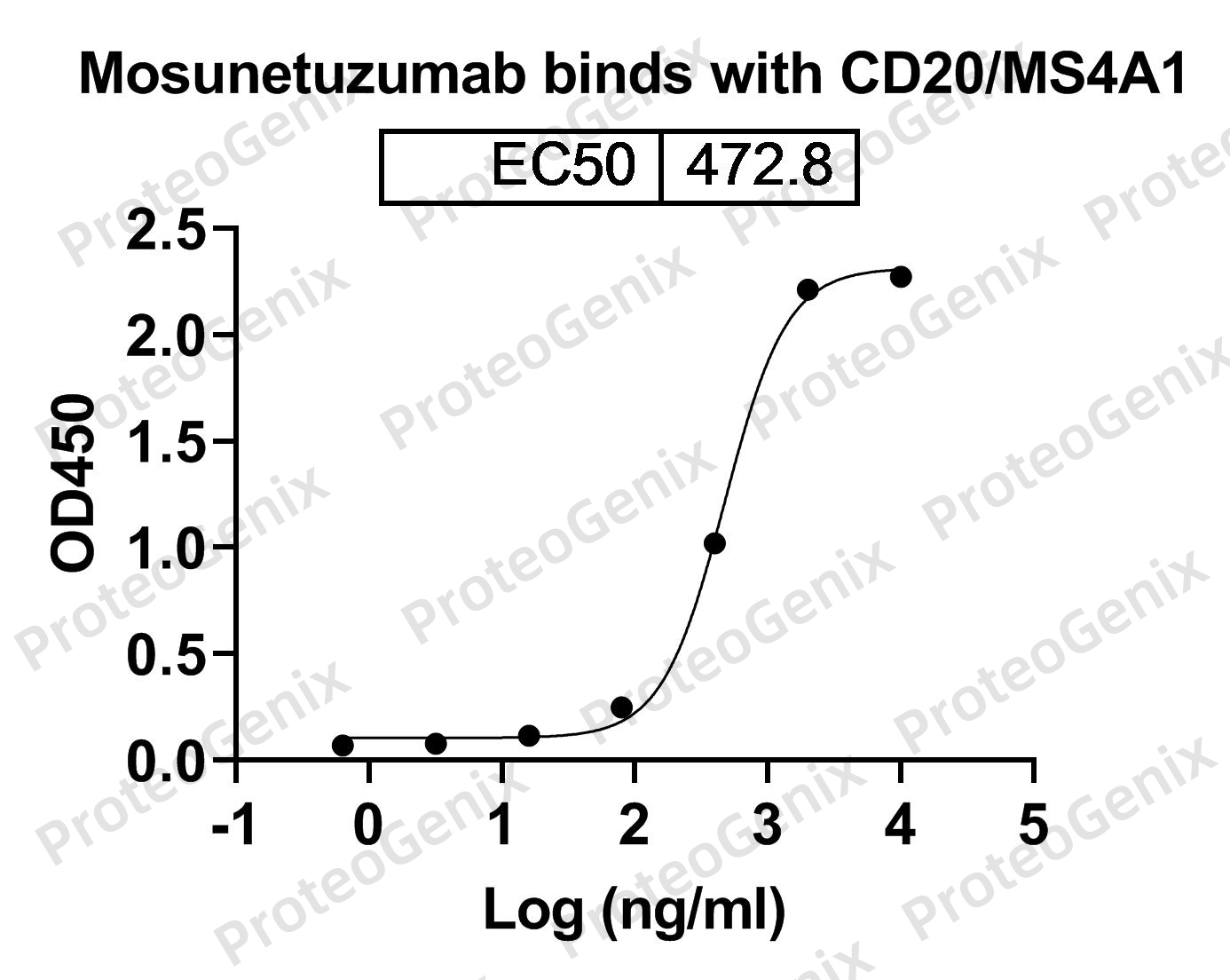
The Mosunetuzumab ELISA Kit can be used to measure the binding affinity of the antibody to CD20 and CD3, as well as its ability to induce T-cell activation and proliferation. This information is crucial for understanding the activity of Mosunetuzumab and its potential efficacy in treating B-cell malignancies.
Application of Mosunetuzumab ELISA Kit
The Mosunetuzumab ELISA Kit has a wide range of applications in research and drug development. It can be used to study the structure and activity of Mosunetuzumab, as well as its potential as a therapeutic agent. The kit can also be used to screen for potential drug candidates that have similar mechanisms of action to Mosunetuzumab.
Furthermore, the Mosunetuzumab ELISA Kit can be used to monitor the levels of Mosunetuzumab in patient samples, providing valuable information about its pharmacokinetics and pharmacodynamics. This can aid in the development of dosing regimens and monitoring the response to treatment.
Overall, the Mosunetuzumab ELISA Kit is an essential tool for researchers studying this novel bispecific antibody and its potential as a therapeutic agent for B-cell malignancies.
Conclusion
The Mosunetuzumab ELISA Kit is a valuable resource for researchers studying the structure, activity, and application of this innovative bispecific antibody. It provides crucial information about the binding affinity, T-cell activation, and proliferation induced by Mosunetuzumab. With its wide range of applications, the Mosunetuzumab ELISA Kit is a vital tool in the development of this promising therapy for B-cell malignancies.
There are no reviews yet.