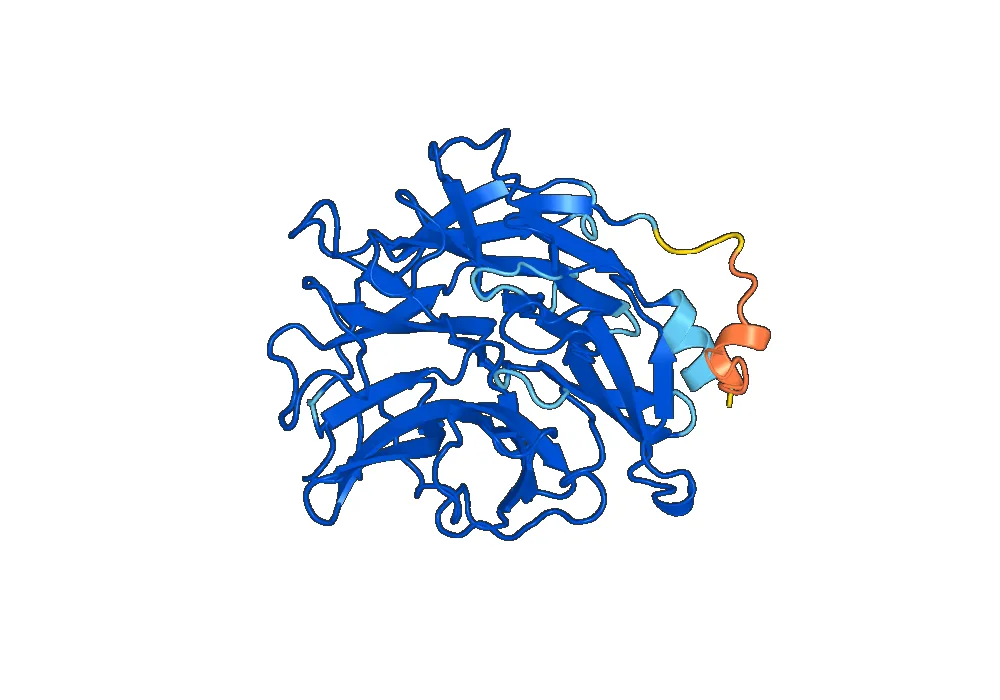
Structure of Neuraminidase (Sialidase)
Neuraminidase, also known as sialidase, is a glycoside hydrolase enzyme that is found in a variety of organisms, including bacteria, viruses, and mammals. It is responsible for the cleavage of sialic acid residues from glycoproteins and glycolipids, which are important components of cell membranes and secreted proteins. Neuraminidase has a unique structure that allows it to perform this important function.
Primary Structure
The primary structure of neuraminidase is a linear sequence of amino acids that make up the protein chain. The exact sequence of amino acids can vary depending on the organism in which it is found. For example, the primary structure of the neuraminidase found in influenza viruses is different from that found in bacteria. However, all neuraminidases share a common feature – a conserved active site that is responsible for the enzyme’s catalytic activity.
Secondary Structure
The primary structure of neuraminidase folds into a specific three-dimensional shape, known as the secondary structure. This structure is stabilized by hydrogen bonds between the amino acid residues. The secondary structure of neuraminidase is composed of alpha-helices and beta-sheets, which are arranged in a specific pattern to create a functional enzyme.
Tertiary Structure
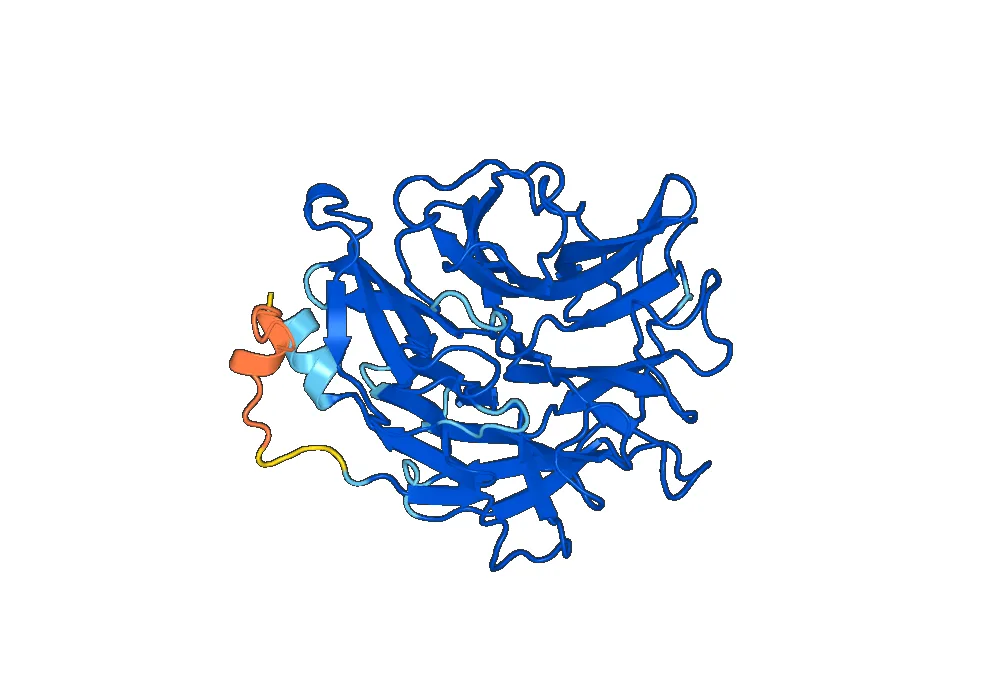
The tertiary structure of neuraminidase is the overall three-dimensional shape of the protein. This structure is determined by the interactions between the secondary structure elements and is essential for the enzyme’s activity. The active site of neuraminidase is located in a cleft on the surface of the protein, which allows it to interact with its substrate – sialic acid.
Quaternary Structure
In some organisms, such as influenza viruses, neuraminidase is composed of multiple subunits, which come together to form a larger, functional protein. This is known as the quaternary structure. In the case of influenza viruses, the neuraminidase protein is composed of four identical subunits, which form a tetramer. The quaternary structure of neuraminidase is important for its stability and activity.
Activity of Neuraminidase (Sialidase)
The primary function of neuraminidase is to cleave sialic acid residues from glycoproteins and glycolipids. Sialic acids are important components of cell membranes and secreted proteins, and their cleavage by neuraminidase is essential for various biological processes.
Neuraminidase is also involved in the release of newly formed virus particles from infected cells. Influenza viruses, for example, use neuraminidase to cleave sialic acid residues from the surface of host cells, allowing the newly formed virus particles to be released and infect other cells.
In addition to its role in viral infection, neuraminidase is also important in other physiological processes, such as cell signaling, cell adhesion, and immune response. It is also involved in the degradation of sialylated glycans, which are important for the maintenance of cell homeostasis.
Application of Neuraminidase (Sialidase)
Due to its important role in various biological processes, neuraminidase has a wide range of applications in both research and medicine.
Recombinant Protein Production
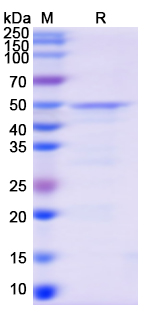
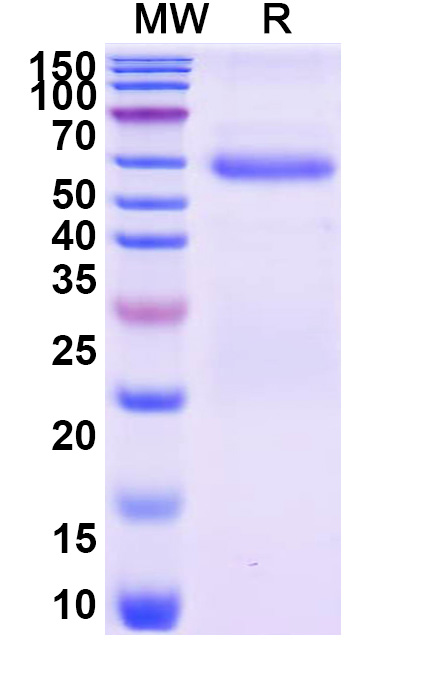
Recombinant neuraminidase can be produced in large quantities using genetic engineering techniques. This allows for the production of pure and highly active enzyme, which can be used in research and diagnostic applications.
Antigen for Vaccine Development
Neuraminidase is a major antigen in influenza viruses and is a target for vaccine development. Recombinant neuraminidase can
There are no reviews yet.