Introduction to Nivatrotamab Biosimilar – A Novel Anti-GD2,CD3E mAb for Cancer Treatment
Nivatrotamab Biosimilar is a novel monoclonal antibody (mAb) that targets the GD2 and CD3E proteins, making it a promising therapeutic option for cancer treatment. This biosimilar is a research grade version of the original Nivatrotamab, which has shown promising results in clinical trials for the treatment of neuroblastoma and other solid tumors. In this article, we will explore the structure, activity, and potential applications of Nivatrotamab Biosimilar in the field of cancer research.
Structure of Nivatrotamab Biosimilar
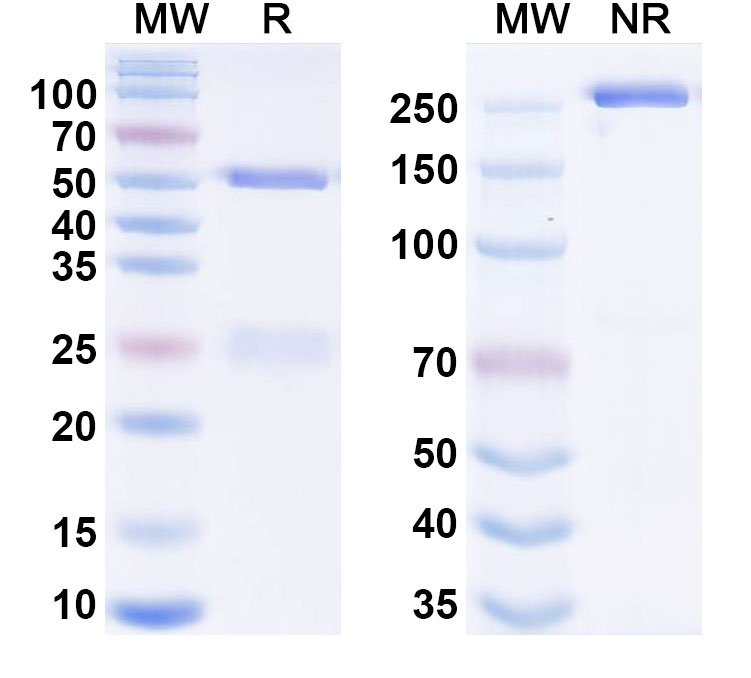
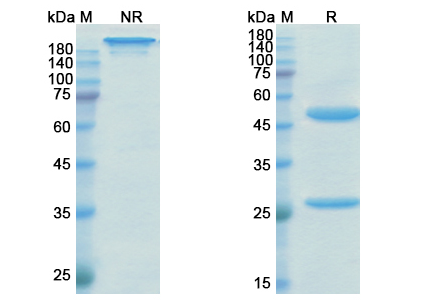
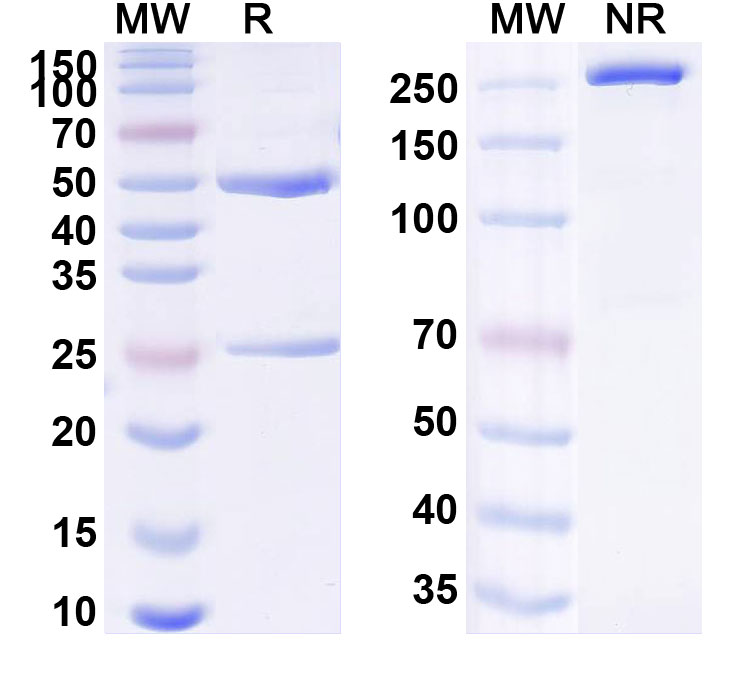
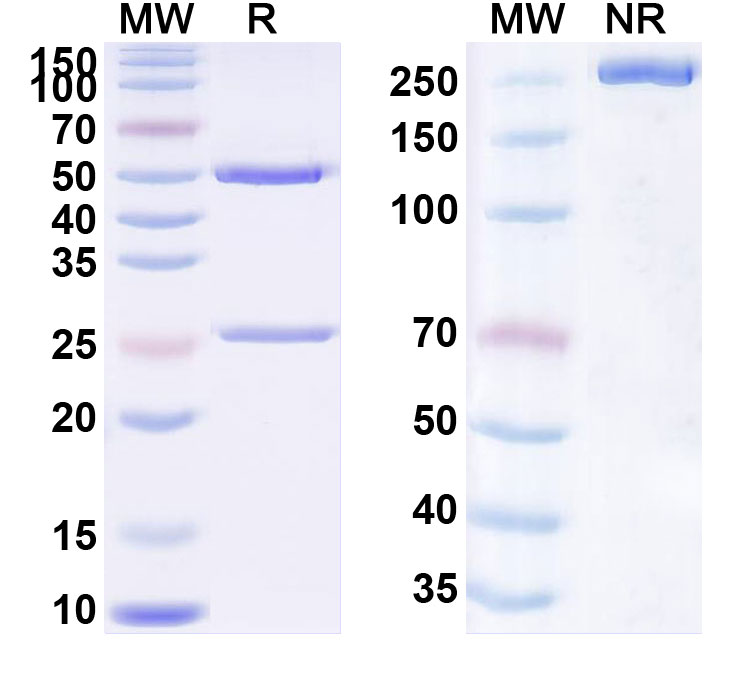
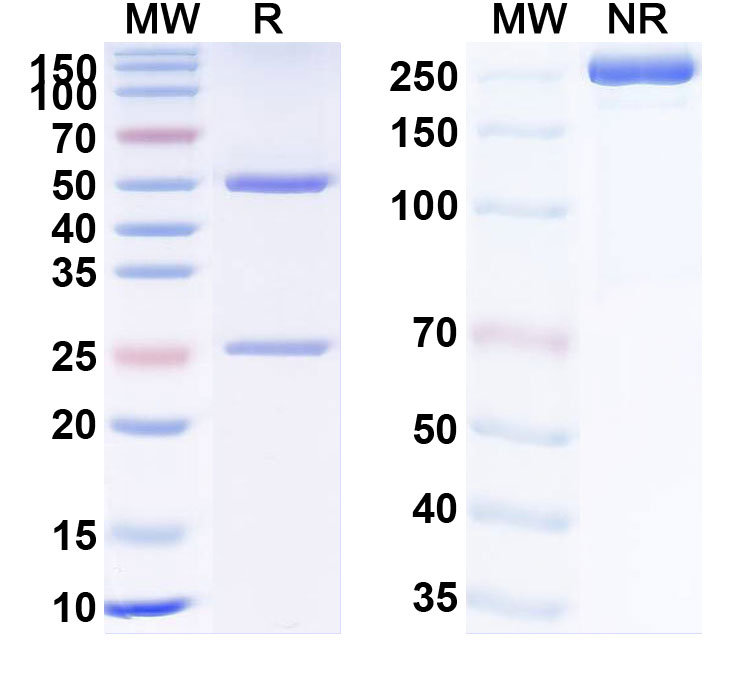
Nivatrotamab Biosimilar is a chimeric monoclonal antibody, meaning it is composed of both human and mouse components. The antibody consists of two heavy chains and two light chains, with a molecular weight of approximately 150 kDa. The heavy chains are composed of constant and variable regions, while the light chains contain only variable regions. The variable regions are responsible for binding to the target proteins, GD2 and CD3E.
Activity of Nivatrotamab Biosimilar
Nivatrotamab Biosimilar works by binding to the GD2 and CD3E proteins, which are overexpressed on the surface of cancer cells. GD2 is a glycolipid that is highly expressed in neuroblastoma, melanoma, and other solid tumors, while CD3E is a protein found on the surface of T cells. By binding to these proteins, Nivatrotamab Biosimilar activates the immune system to attack and destroy cancer cells.
In addition, Nivatrotamab Biosimilar also has the ability to induce antibody-dependent cellular cytotoxicity (ADCC) and complement-dependent cytotoxicity (CDC). This means that the antibody can recruit other immune cells, such as natural killer cells, to attack cancer cells, and can also activate the complement system to destroy cancer cells.
Potential Applications of Nivatrotamab Biosimilar
Nivatrotamab Biosimilar has shown promising results in preclinical studies and early-phase clinical trials for the treatment of neuroblastoma and other solid tumors. Neuroblastoma is a type of cancer that affects the nervous system and is the most common cancer in infants. It is often resistant to traditional chemotherapy and has a high relapse rate, making it a challenging disease to treat.
In a phase I/II clinical trial, Nivatrotamab Biosimilar showed promising results in patients with relapsed or refractory neuroblastoma. The study found that the antibody was well-tolerated and had a favorable safety profile. In addition, 50% of patients showed a partial response to treatment, and 25% showed stable disease. These results are encouraging and suggest that Nivatrotamab Biosimilar could be an effective treatment option for neuroblastoma.
Furthermore, Nivatrotamab Biosimilar has also been studied in combination with other cancer therapies, such as chemotherapy and radiation therapy. These studies have shown that the antibody can enhance the effectiveness of these treatments and improve patient outcomes.
Conclusion
In summary, Nivatrotamab Biosimilar is a novel monoclonal antibody that targets GD2 and CD3E proteins, which are overexpressed on the surface of cancer cells. The antibody has shown promising results in preclinical and clinical studies for the treatment of neuroblastoma and other solid tumors. With its unique structure and activity, Nivatrotamab Biosimilar has the potential to become a valuable addition to the arsenal of cancer treatments. Further research and clinical trials are needed to fully understand the potential of this biosimilar in the field of cancer therapy.

There are no reviews yet.