Introduction
The Recombinant Aspergillus fumigatus Asp f 1/mitF Protein is a highly studied and well-characterized protein that plays a crucial role in the pathogenesis of Aspergillus fumigatus, a common fungal pathogen. This protein has been extensively studied for its structure, activity, and potential applications in various fields. In this article, we will provide a detailed description of the Recombinant Asp f 1/mitF Protein, highlighting its structure, activity, and potential applications as an antigen.
Structure of Recombinant Asp f 1/mitF Protein
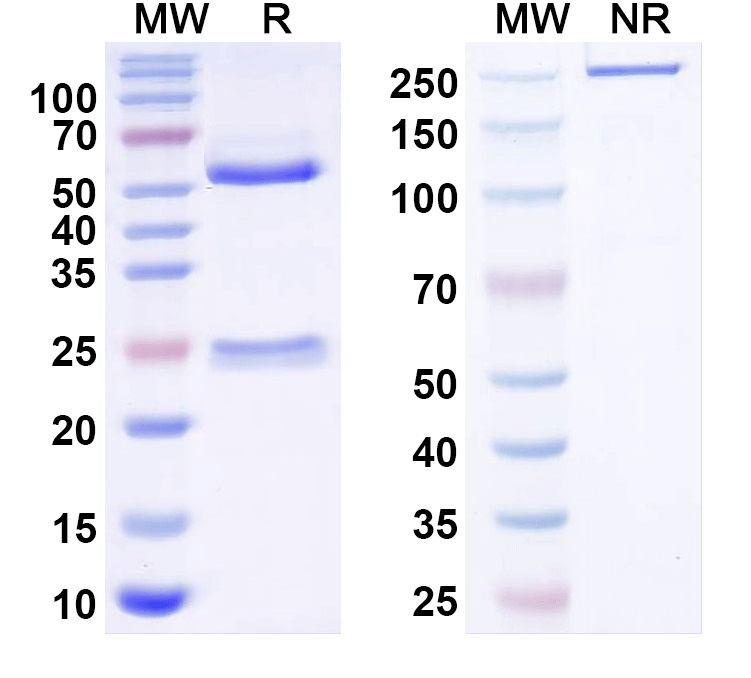
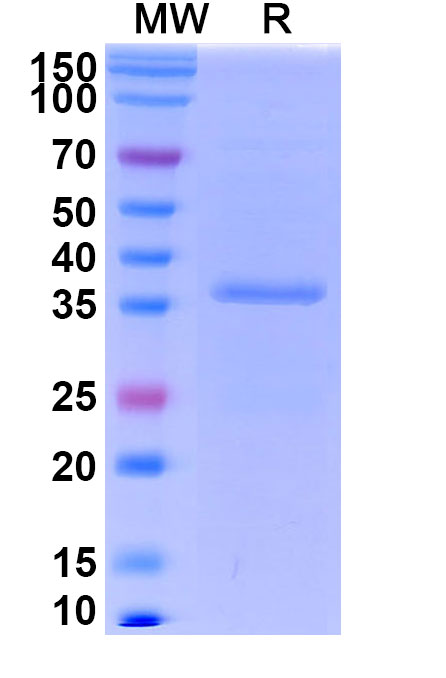
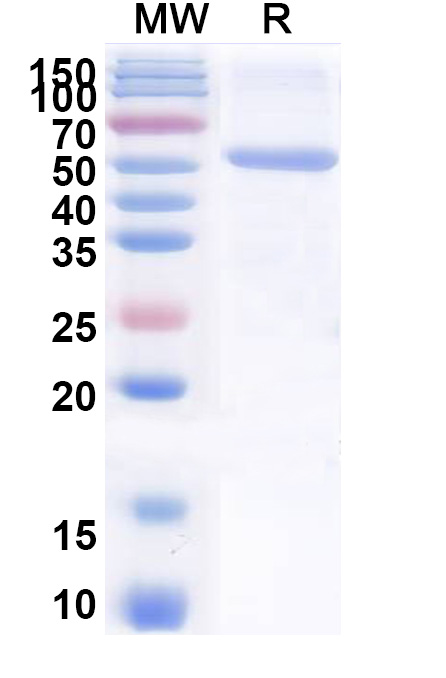
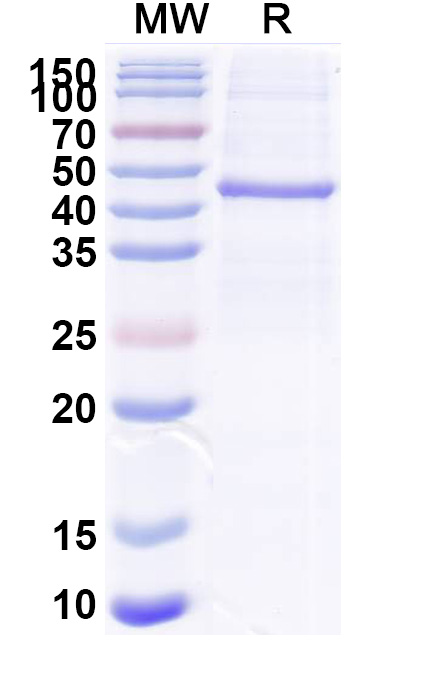
The Recombinant Asp f 1/mitF Protein is a 16 kDa protein that is encoded by the mitF gene in Aspergillus fumigatus. It is a glycoprotein with a molecular weight of 18 kDa due to the presence of N-linked glycans. The protein consists of 156 amino acids and has a predicted isoelectric point of 4.6.
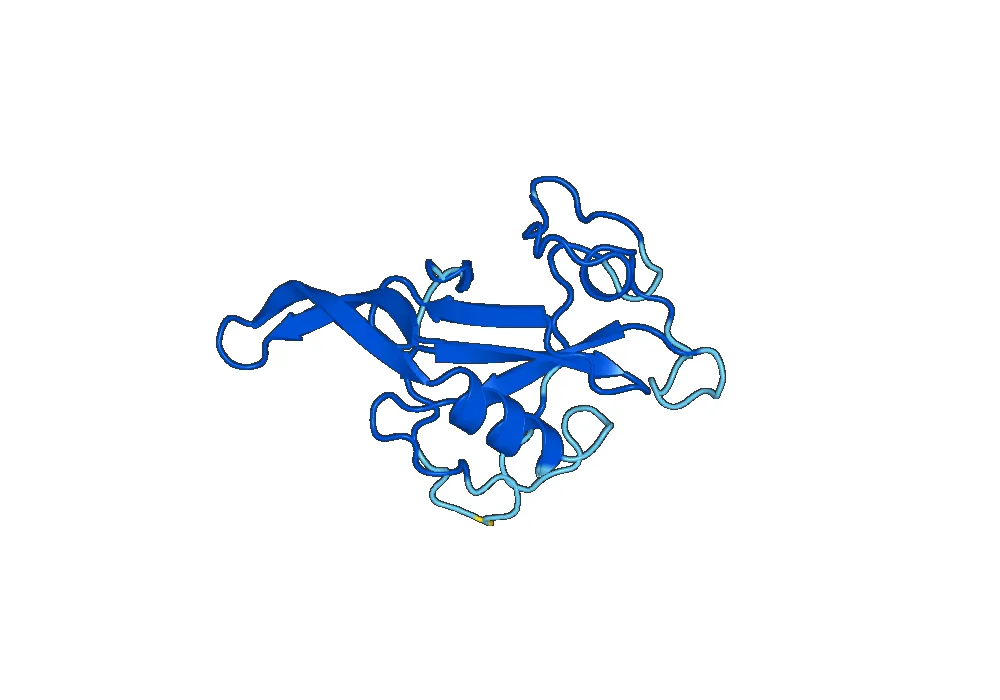
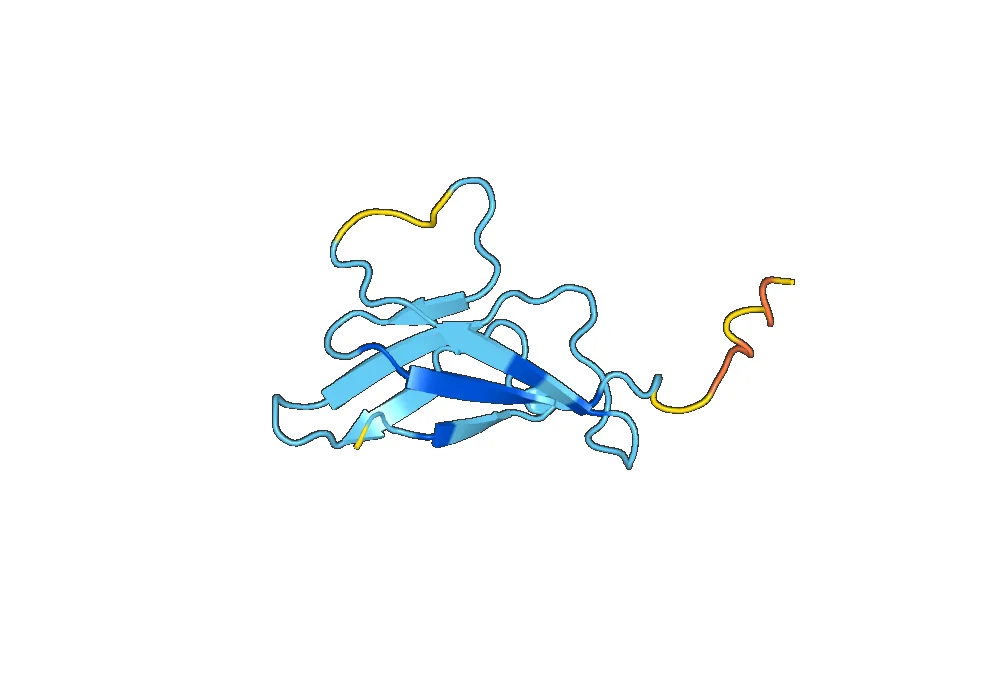
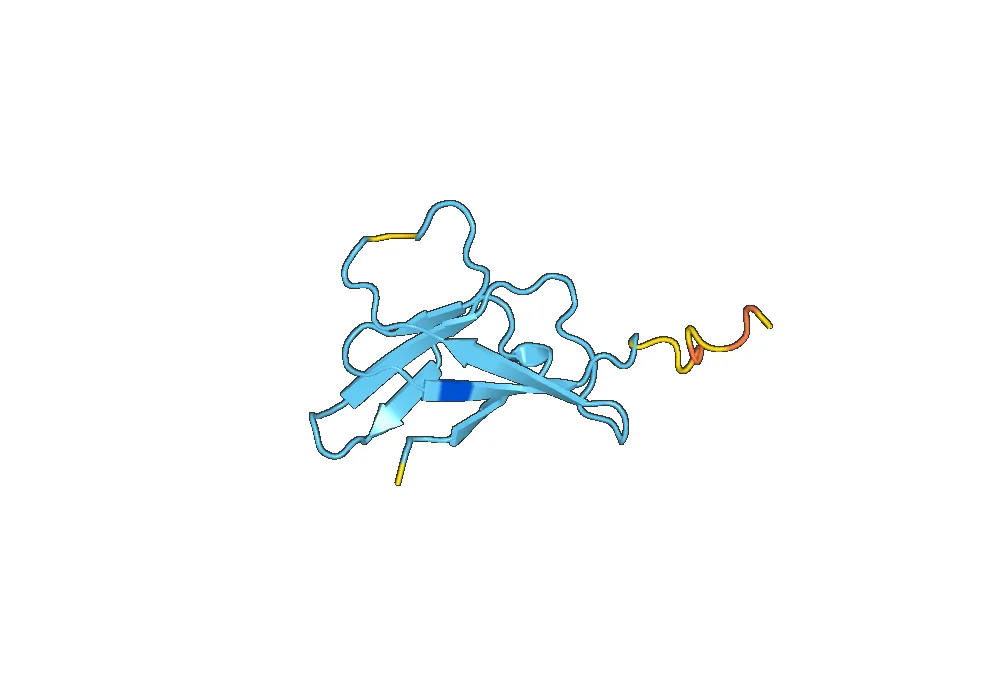
The crystal structure of the Recombinant Asp f 1/mitF Protein has been determined, revealing a beta-barrel structure with a conserved beta-sheet core and a highly flexible loop region. The protein also contains two disulfide bonds, which are essential for its stability and activity.
Activity of Recombinant Asp f 1/mitF Protein
The Recombinant Asp f 1/mitF Protein is a potent allergen and is known to elicit strong immune responses in individuals with Aspergillus fumigatus sensitization. It is the major allergen responsible for allergic bronchopulmonary aspergillosis (ABPA), a severe allergic lung disease. The protein is also involved in the pathogenesis of invasive aspergillosis, a life-threatening infection that affects immunocompromised individuals.
Studies have shown that the Recombinant Asp f 1/mitF Protein has protease activity, which is believed to contribute to its allergenicity and pathogenicity. It can cleave host proteins, such as immunoglobulins and extracellular matrix proteins, leading to tissue damage and inflammation.
Applications of Recombinant Asp f 1/mitF Protein
Due to its strong immunogenic and protease activity, the Recombinant Asp f 1/mitF Protein has potential applications in various fields, including diagnosis, treatment, and vaccine development.
Diagnosis
The Recombinant Asp f 1/mitF Protein can be used as a diagnostic tool for Aspergillus fumigatus sensitization and ABPA. It can be used in skin prick tests and specific IgE assays to identify individuals with Aspergillus fumigatus allergy. The protein can also be used in ELISA-based tests for the diagnosis of ABPA, as it is the major allergen responsible for this condition.
Treatment
The protease activity of the Recombinant Asp f 1/mitF Protein makes it a potential target for antifungal therapies. Inhibitors of this protein could potentially prevent tissue damage and reduce the severity of allergic and invasive aspergillosis. Additionally, the protein can also be used as a target for immunotherapy, where it can be used to induce tolerance in individuals with Aspergillus fumigatus allergy.
Vaccine Development
The Recombinant Asp f 1/mitF Protein has been studied as a potential candidate for a vaccine against Aspergillus fumigatus. It has been shown to induce a strong immune response and could potentially protect against allergic and invasive aspergillosis. However, further research is needed to develop a safe and effective vaccine using this protein.
Conclusion
The Recombinant Aspergillus fumig

There are no reviews yet.