Introduction to Recombinant Human AMIGO1
Recombinant Human AMIGO1, also known as Alivin 1, is a protein that plays a critical role in the development and function of the nervous system. It is a member of the AMIGO family of proteins, which are characterized by their ability to interact with other proteins and form complex signaling networks. Recombinant Human AMIGO1 has been extensively studied and has shown potential as a therapeutic agent for various neurological disorders. In this article, we will discuss the structure, activity, and potential applications of this important protein.
Structure of Recombinant Human AMIGO1
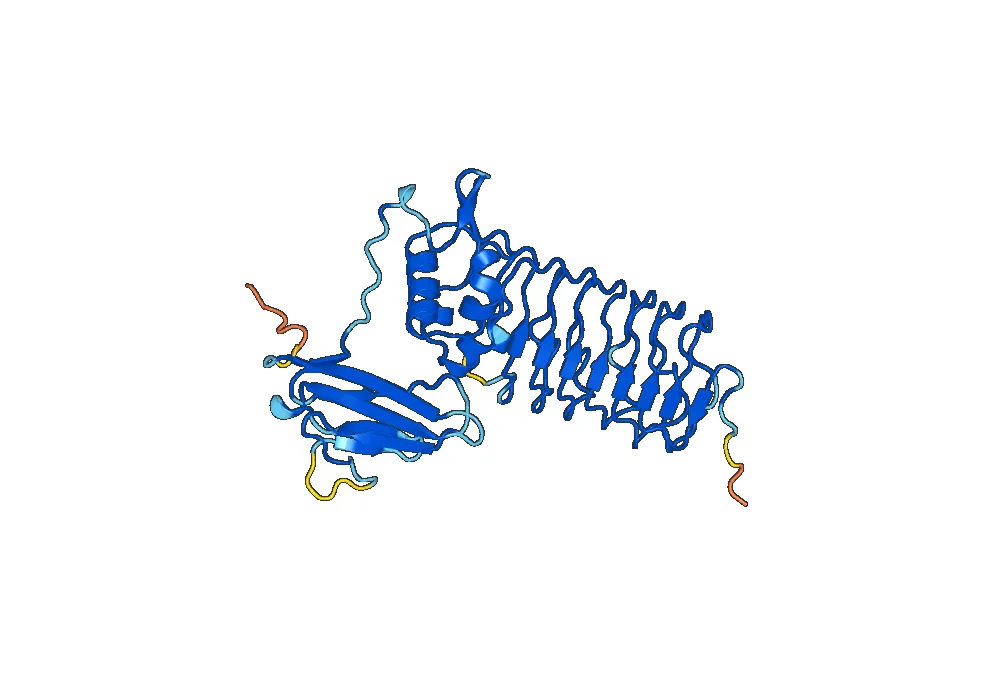
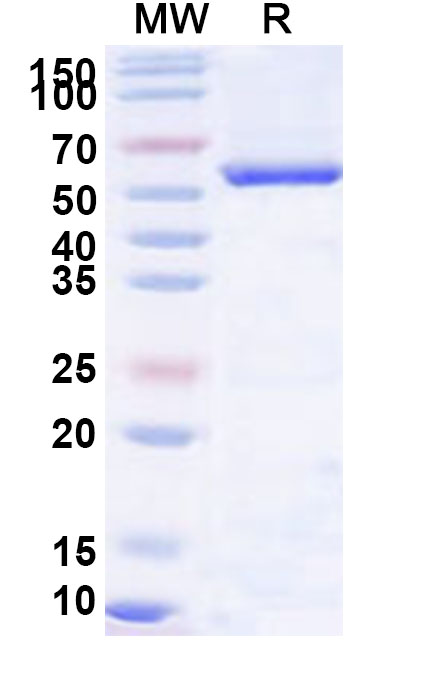
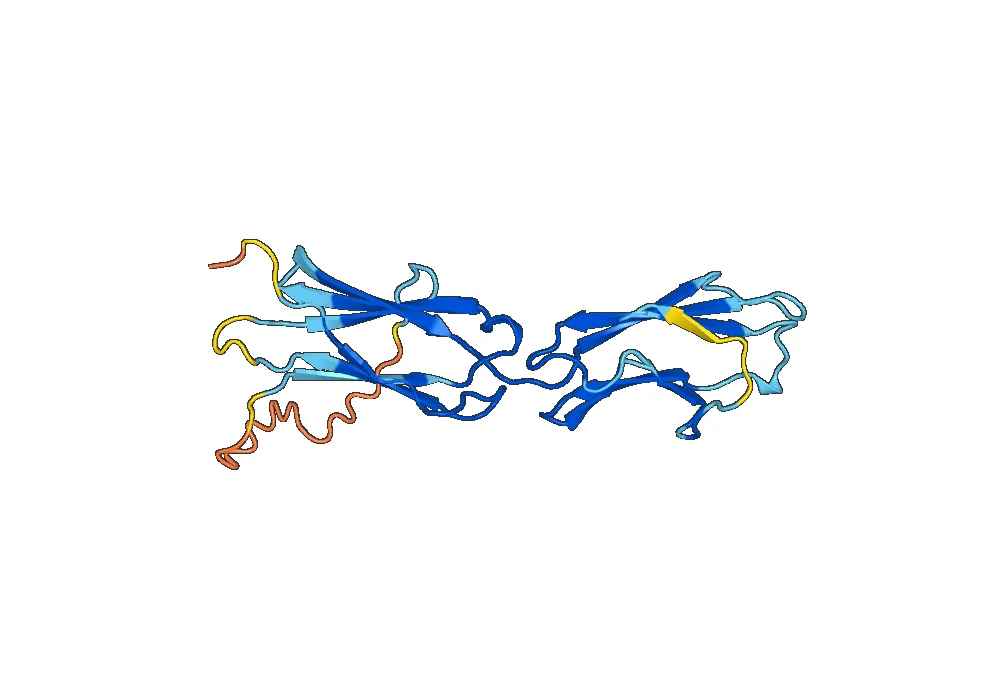
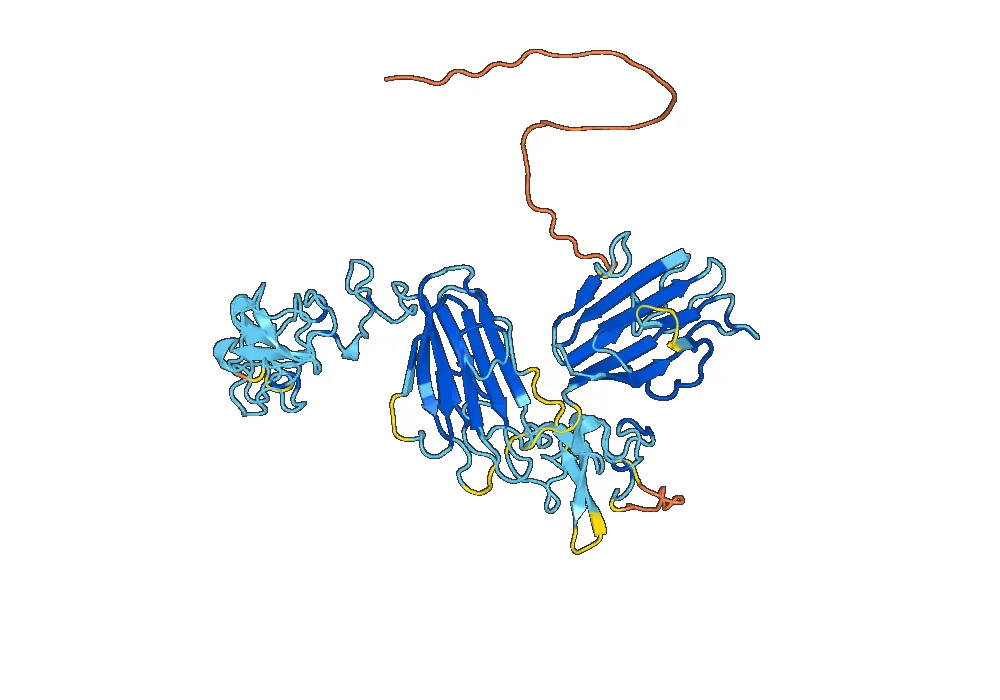
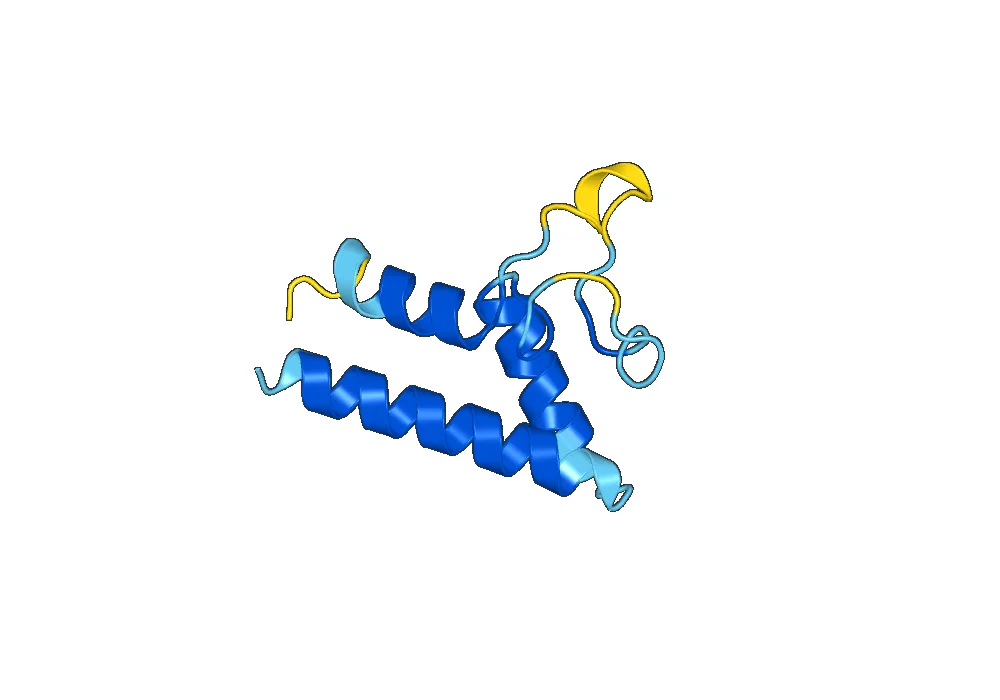
Recombinant Human AMIGO1 is a 100 kDa transmembrane protein that is composed of 838 amino acids. It is primarily expressed in the brain and spinal cord, with lower levels found in other tissues such as the heart and kidney. The protein is made up of several domains, including an extracellular domain, a transmembrane domain, and an intracellular domain.
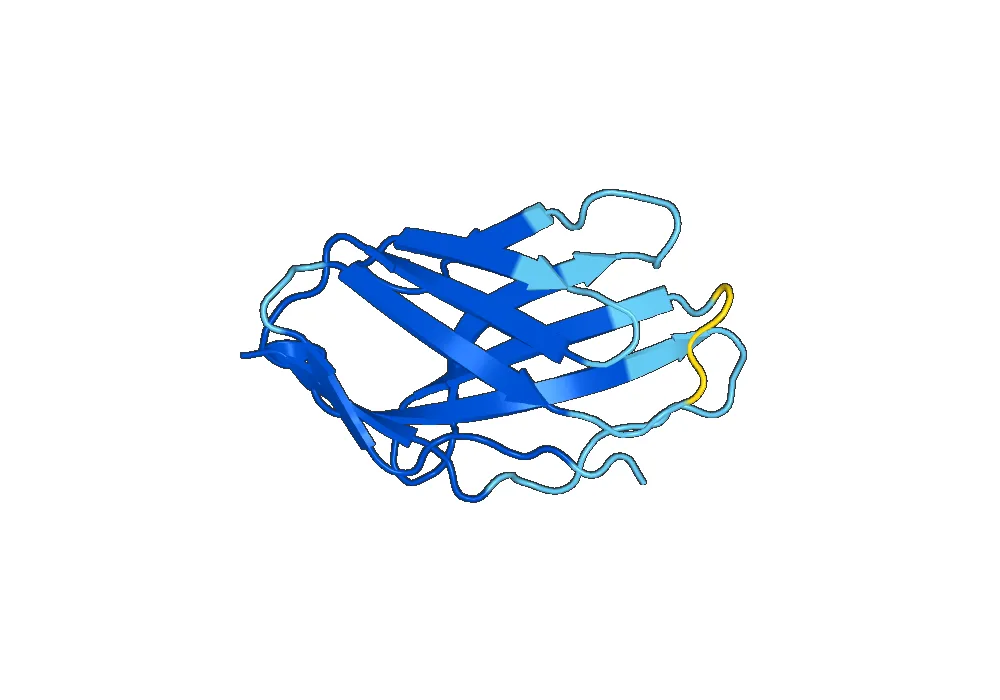
The extracellular domain of Recombinant Human AMIGO1 contains several immunoglobulin-like domains, which are important for protein-protein interactions. These domains allow Recombinant Human AMIGO1 to interact with other proteins, such as the neural cell adhesion molecule (NCAM), and form complex signaling networks involved in neuronal development and function.
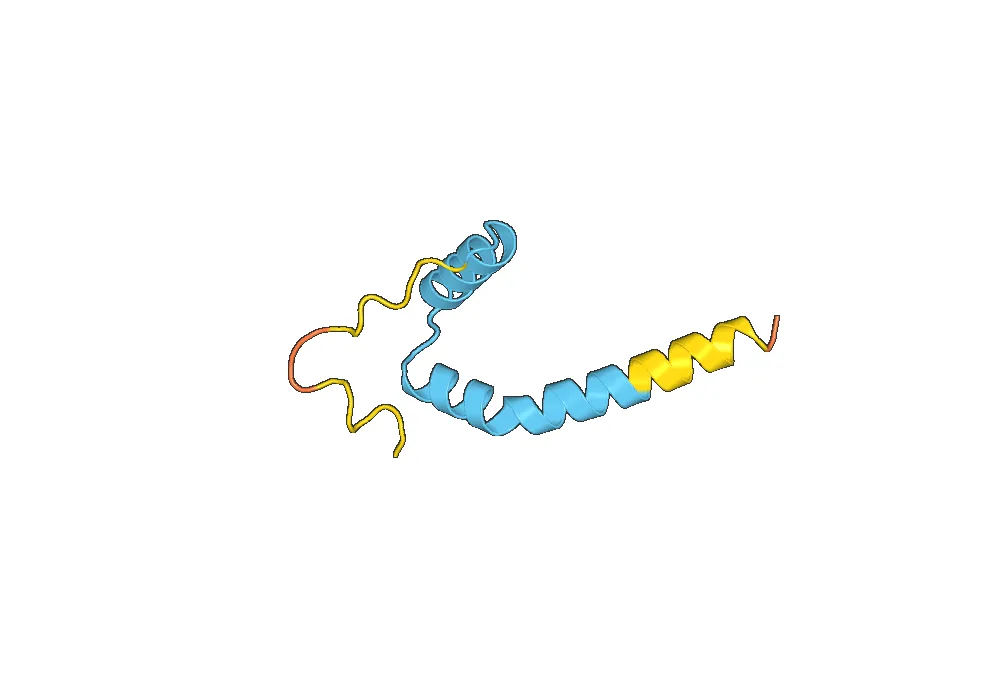
The transmembrane domain of Recombinant Human AMIGO1 anchors the protein to the cell membrane, while the intracellular domain is responsible for signaling and regulating cellular processes. This domain contains several phosphorylation sites, which are important for the activation and regulation of Recombinant Human AMIGO1.
Activity of Recombinant Human AMIGO1
Recombinant Human AMIGO1 plays a crucial role in the development and function of the nervous system. It is primarily involved in cell adhesion and signaling, which are essential processes for proper neuronal development and function.
One of the main functions of Recombinant Human AMIGO1 is to regulate the growth and branching of axons, the long projections of nerve cells that transmit electrical signals. Recombinant Human AMIGO1 interacts with other proteins, such as NCAM, to promote axon growth and branching. This activity is crucial for the formation of neural networks and proper communication between neurons.
In addition to its role in axon growth, Recombinant Human AMIGO1 also plays a role in synapse formation and plasticity. Synapses are the connections between neurons where communication and signaling occur. Recombinant Human AMIGO1 helps to regulate the formation and stability of synapses, which is important for learning and memory.
Application of Recombinant Human AMIGO1
Given its important role in neuronal development and function, Recombinant Human AMIGO1 has potential applications in the treatment of neurological disorders. For example, studies have shown that Recombinant Human AMIGO1 can promote axon growth and regeneration in models of spinal cord injury and peripheral nerve injury. This makes it a promising candidate for the treatment of nerve damage and paralysis.
Recombinant Human AMIGO1 has also shown potential as a therapeutic agent for neurodegenerative diseases, such as Alzheimer’s and Parkinson’s disease. These diseases are characterized by the loss of synapses and neuronal connections, and Recombinant Human AMIGO1 may help to promote synapse formation and plasticity, potentially slowing down the progression of these diseases.
In addition, Recombinant Human AMIGO1 has been studied as a potential therapy for psychiatric disorders, such as schizophrenia and depression. These disorders are associated with abnormalities in neuronal signaling and communication, and Recombinant Human AMIGO1 may help to regulate these processes.
Conclusion
In summary, Recombinant Human AMIGO1 is a protein with a complex structure and important activity in the nervous system. It plays a critical role in neuronal development, axon growth, and synapse formation, and has potential applications in the treatment of various neurological disorders. Further research and development of Recombinant Human AMIGO1 may lead to

There are no reviews yet.