Introduction
Recombinant Human ARF1 Protein, also known as ADP-ribosylation factor 1, is a small GTPase protein that plays a crucial role in intracellular vesicular trafficking and membrane dynamics. This protein is encoded by the ARF1 gene and is expressed in various tissues and cell types, making it a widely studied and important protein in the field of cell biology and biochemistry.
Structure of Recombinant Human ARF1 Protein
The recombinant human ARF1 protein is a 181 amino acid long protein with a molecular weight of approximately 20 kDa. It belongs to the ARF family of small GTPases, which are involved in regulating various cellular processes such as vesicle formation, membrane trafficking, and cytoskeletal organization.
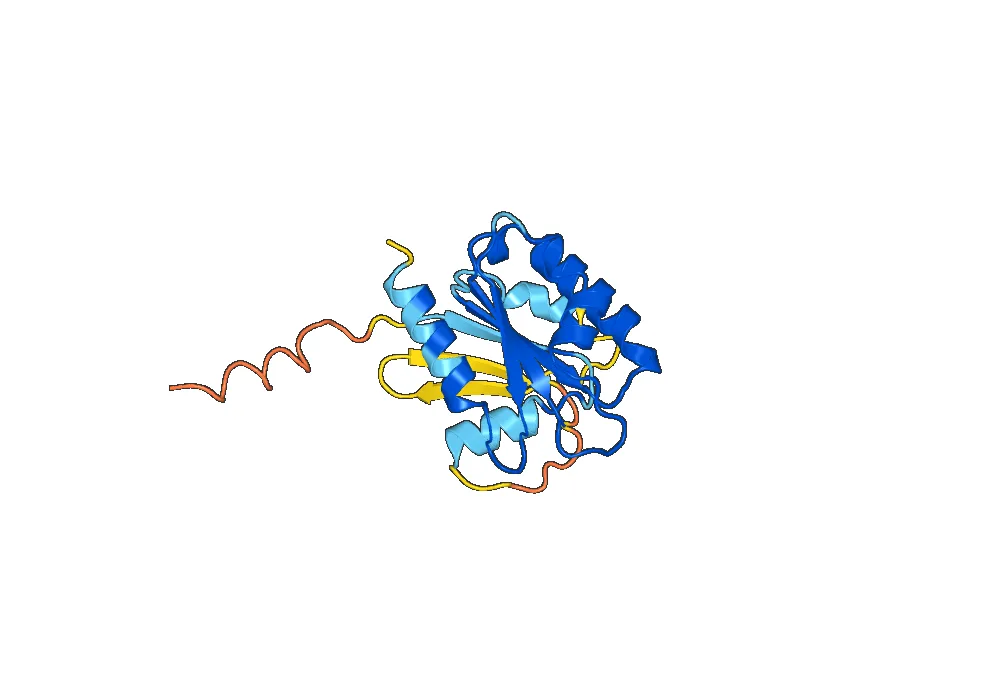
The protein structure of ARF1 consists of a central beta-sheet surrounded by several alpha helices, forming a globular shape. It also contains a nucleotide-binding domain, which is essential for its GTPase activity, and a lipid-binding domain, which allows it to interact with membranes.
Activity of Recombinant Human ARF1 Protein
Recombinant Human ARF1 Protein is primarily known for its role in regulating vesicular trafficking within cells. It is activated by GTP binding, which causes a conformational change in the protein and exposes its lipid-binding domain. This allows ARF1 to interact with membranes and recruit other proteins involved in vesicle formation and transport.
ARF1 also plays a crucial role in maintaining the integrity of the Golgi apparatus, a cellular organelle involved in protein modification and sorting. It does so by regulating the formation and fusion of transport vesicles that shuttle cargo molecules between the Golgi and other cellular compartments.
In addition to its role in vesicular trafficking, ARF1 has also been shown to regulate actin cytoskeleton dynamics, which is essential for cell movement and shape changes. It achieves this by interacting with various actin-binding proteins and modulating their activity.
Applications of Recombinant Human ARF1 Protein
Recombinant Human ARF1 Protein has a wide range of applications in both research and biotechnology. Its ability to regulate vesicular trafficking and membrane dynamics makes it a crucial tool in studying various cellular processes. Some of the specific applications of ARF1 protein include:
1. Study of intracellular protein trafficking
The recombinant human ARF1 protein is commonly used to study the mechanisms of intracellular protein trafficking. By manipulating its activity, researchers can investigate the role of ARF1 in vesicle formation, transport, and fusion, and how it affects the overall cellular trafficking process.
2. Drug target identification
As ARF1 is involved in various cellular processes, it has been identified as a potential drug target for diseases such as cancer and neurodegenerative disorders. Recombinant Human ARF1 protein can be used to screen and identify compounds that modulate its activity, which can then be further developed into potential therapeutic agents.
3. Production of recombinant proteins
The lipid-binding domain of ARF1 allows it to interact with membranes and facilitate the formation of transport vesicles. This property has been utilized in the biotechnology industry to produce recombinant proteins. By fusing the lipid-binding domain of ARF1 to a desired protein, researchers can target it to specific cellular compartments and enhance its production and secretion.
4. Development of diagnostic assays
Recombinant Human ARF1 protein has been used to develop diagnostic assays for various diseases. For example, it has been used as an antigen in ELISA tests to detect the presence of autoantibodies in patients with autoimmune diseases such as rheumatoid arthritis.
Conclusion
In summary, Recombinant Human ARF1 Protein is a crucial protein involved in regulating intracellular vesicular trafficking and membrane dynamics. Its structure, activity, and various applications make it a valuable tool in


There are no reviews yet.