Introduction
Recombinant Human BCOR Protein is a synthetic protein that is produced through genetic engineering techniques. It is a crucial protein in regulating gene expression and plays a significant role in various cellular processes. In this article, we will discuss the structure, activity, and applications of this recombinant protein.
Structure of Recombinant Human BCOR Protein
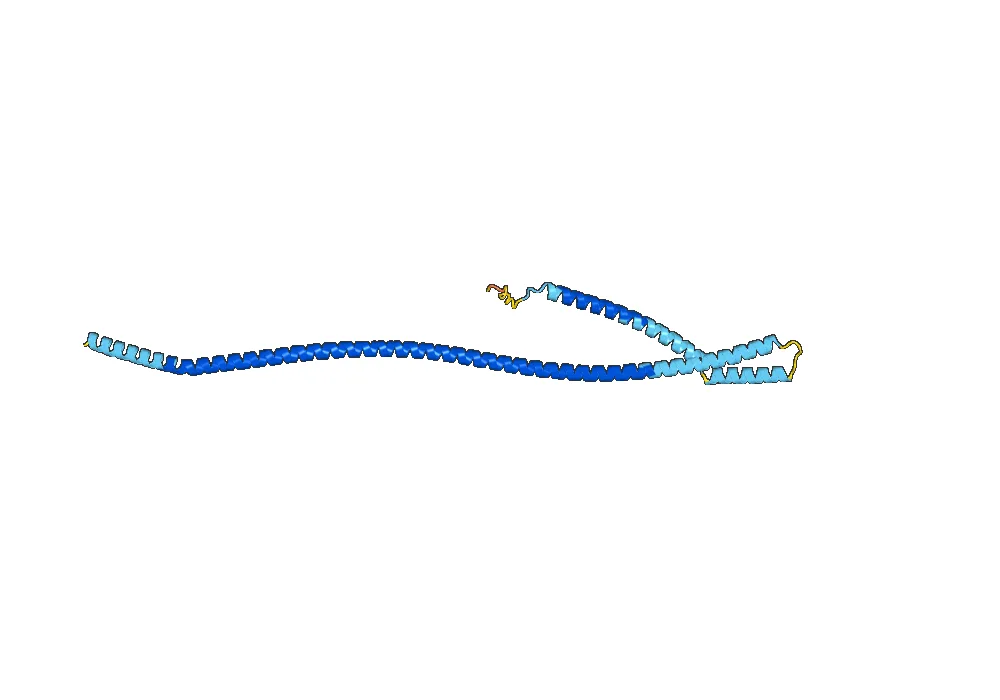
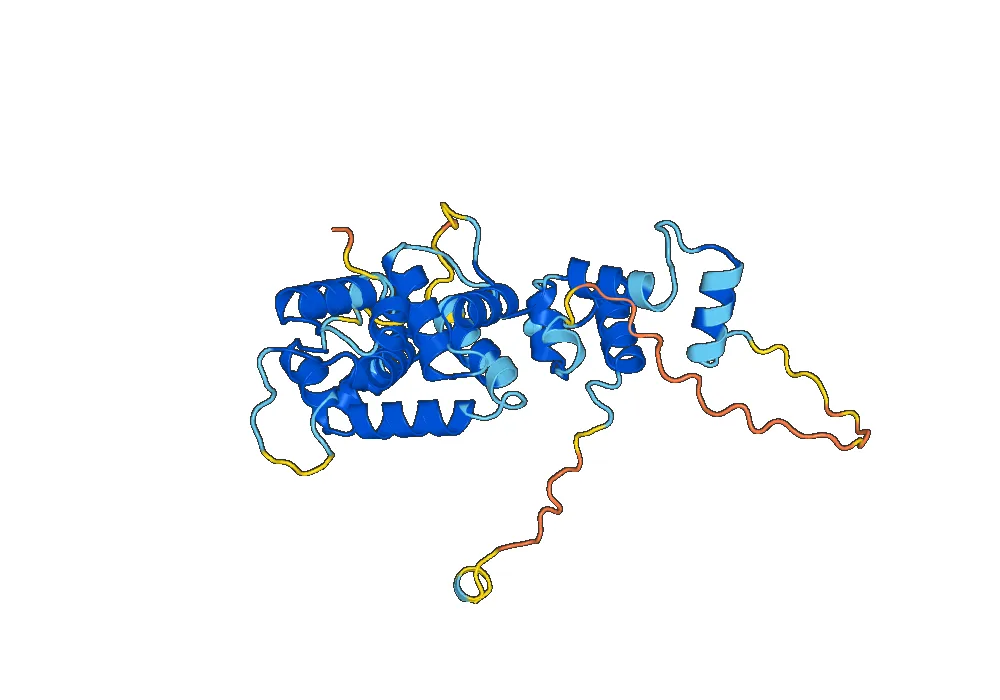
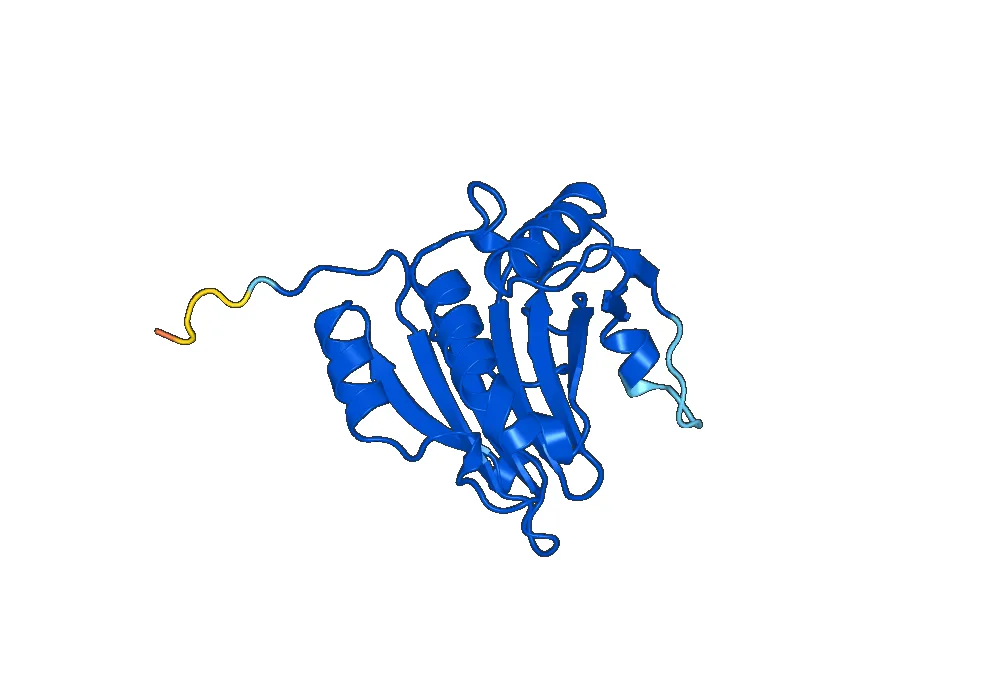
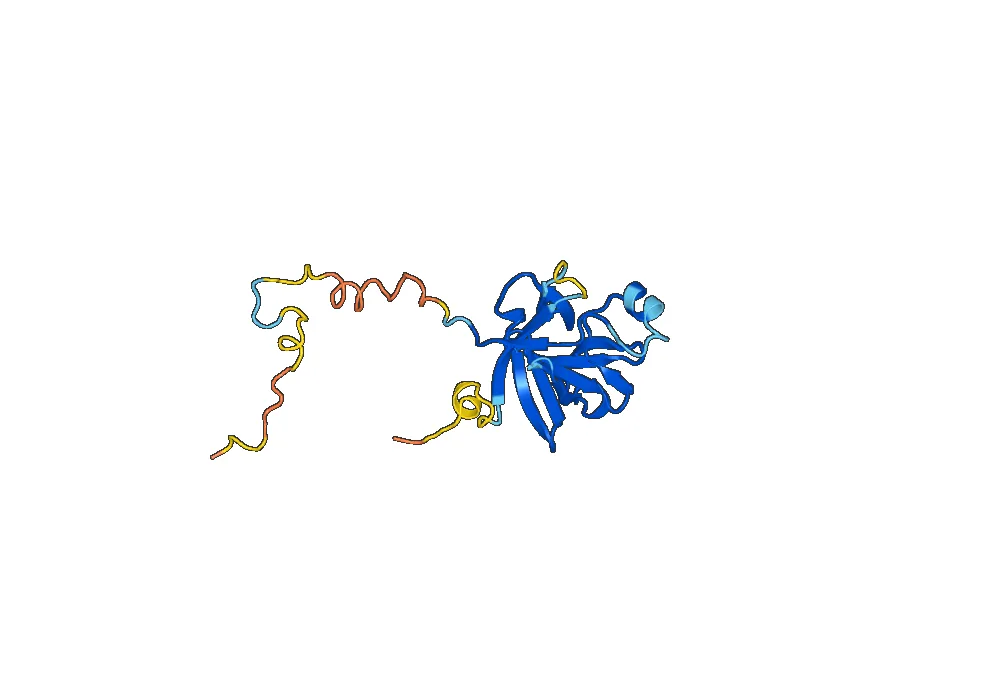
The human BCOR gene encodes for a protein that consists of 1974 amino acids. The recombinant version of this protein is produced by inserting the gene into a suitable expression system, such as bacteria or mammalian cells. The resulting protein is a single polypeptide chain with a molecular weight of approximately 220 kDa.
The protein contains several functional domains, including the C-terminal domain, the N-terminal domain, and the central region. The C-terminal domain is responsible for binding to other proteins, while the N-terminal domain is involved in protein-protein interactions. The central region contains multiple repeats of a specific sequence that is essential for the protein’s function.
Activity of Recombinant Human BCOR Protein
Recombinant Human BCOR Protein is a transcriptional corepressor, meaning it plays a vital role in regulating gene expression. It is involved in the formation of protein complexes that modify the structure of DNA, thereby controlling the activity of genes.
One of the main functions of this protein is to repress the expression of certain genes by recruiting other proteins, such as histone deacetylases, to the DNA. This process leads to the formation of a condensed chromatin structure, which prevents the transcription machinery from accessing the gene, effectively silencing its expression.
Additionally, Recombinant Human BCOR Protein has been found to be involved in other cellular processes, such as cell cycle regulation, DNA repair, and cell differentiation. It also plays a role in the development of various tissues and organs, including the brain, heart, and skeletal system.
Applications of Recombinant Human BCOR Protein
The unique structure and activity of Recombinant Human BCOR Protein make it a valuable tool in various research and medical applications. Here are some of its potential uses:
- Antigen for antibody production: Recombinant Human BCOR Protein can be used as an antigen to produce specific antibodies. These antibodies can then be used in various experiments, such as Western blotting and immunohistochemistry, to study the protein’s expression and function in different tissues and cell types.
- Drug target identification: As Recombinant Human BCOR Protein is involved in several cellular processes, it has the potential to be a target for drug development. By studying its structure and activity, researchers can identify potential drug candidates that can modulate its function and potentially treat diseases associated with its dysregulation.
- Diagnostic marker: Abnormal expression or mutations in the BCOR gene have been linked to various diseases, including cancer. Therefore, Recombinant Human BCOR Protein can be used as a diagnostic marker to detect these diseases and monitor their progression.
- Gene therapy: Recombinant Human BCOR Protein can be used in gene therapy to replace or supplement the function of the endogenous protein. This approach has shown promising results in treating diseases caused by BCOR gene mutations, such as oculofaciocardiodental syndrome.
Conclusion
In summary, Recombinant Human BCOR Protein is a vital protein involved in regulating gene expression and various cellular processes. Its unique structure and activity make it a valuable tool in research and medical applications, including antibody production, drug target identification, and gene therapy. Further studies on this protein may lead to new insights into its function and potential therapeutic uses.



There are no reviews yet.