General Information about Recombinant Human C reactive protein (CRP)
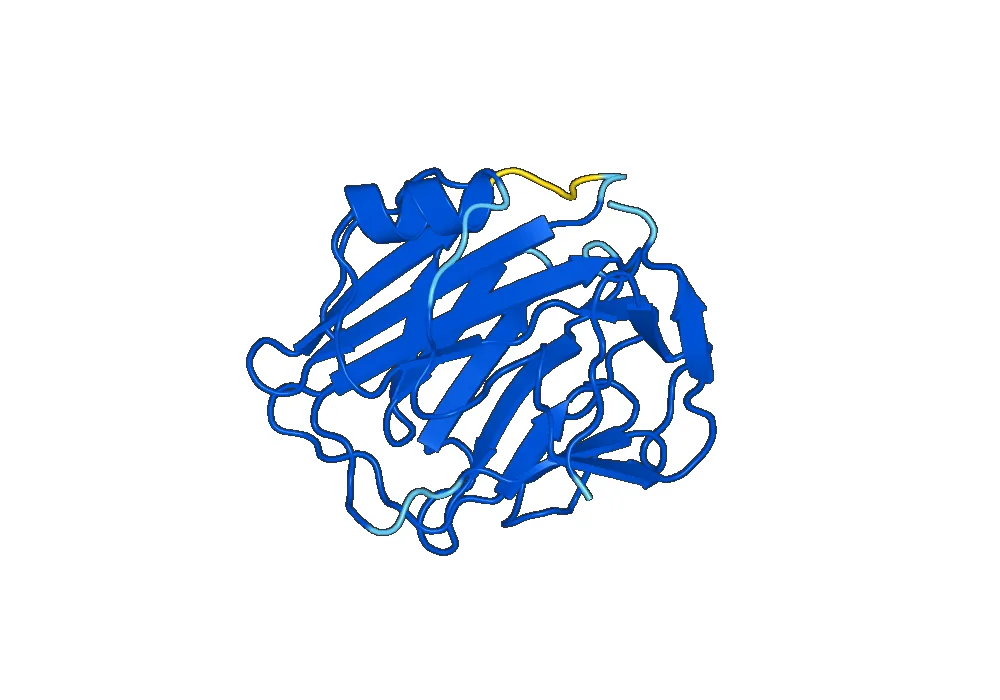
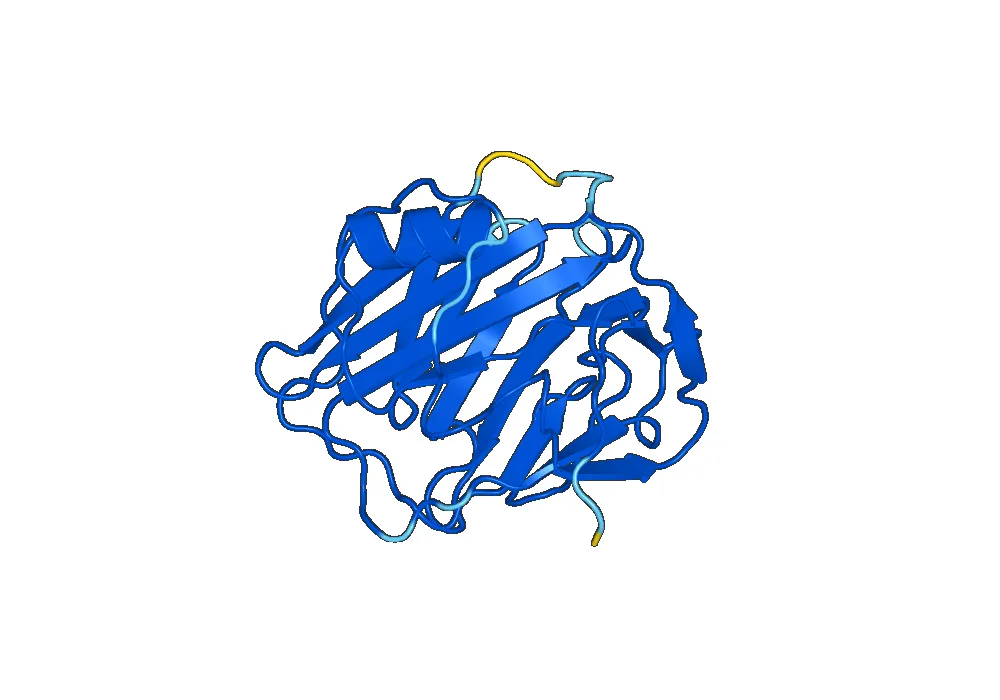
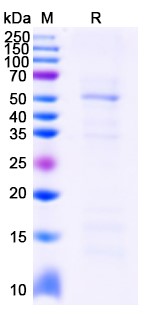
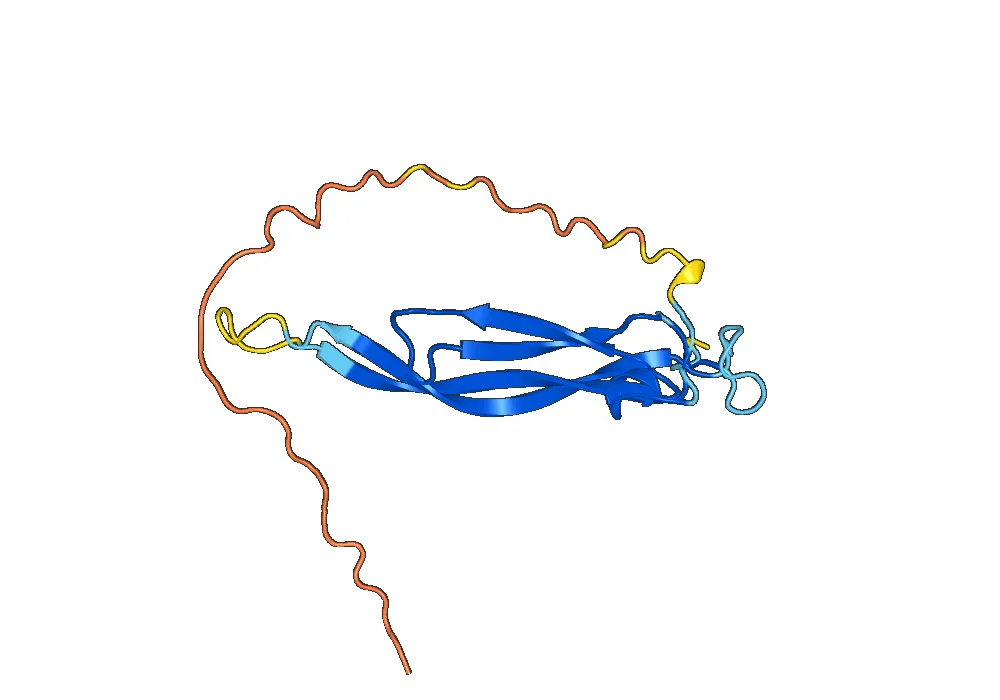
C-reactive protein (CRP) is a member of the pentacycline family of proteins, which is characterized by a cyclic pentameric structure. The pioneer of the human CRP gene that codes for 224 amino acids. The mature human CRP protein has 206 unbound amino acids, which can form a pentapeptide table. The homologous sequence homology between human CRP and mouse and rat is 71% and 64%, respectively. CRP synthesized by liver cells is the major acute serum protein in humans. IL6, IL1 and glucocorticoids are the main inducers of CRP genes. The physiological role of CRP is to bind to phosphorylcholine expressed on the surface of dead or dying cells (and some types of bacteria) to activate the complement system. CRP binds to phosphocholine and destructive cells on microorganisms and improves phagocytosis of macrophages. Therefore, CRP is involved in the consumption of necrotic and apoptotic cells. In acute inflammation (such as infection), CRP can increase by 50,000 times. It will exceed the normal limit within 6 hours and peak in 48 hours. Its duration is constant, so its level mainly depends on productivity. High CRP levels in the human body have been shown to be associated with an increased risk of cardiovascular disease.

There are no reviews yet.