Introduction
Recombinant Human CABYR Protein is a highly specialized protein that plays a crucial role in various cellular processes. This protein is produced through the process of recombinant DNA technology, where the gene encoding for CABYR is inserted into a host cell and then expressed to produce the desired protein. This recombinant protein has gained significant attention in the scientific community due to its unique structure, diverse activity, and potential applications in various fields.
Structure of Recombinant Human CABYR Protein
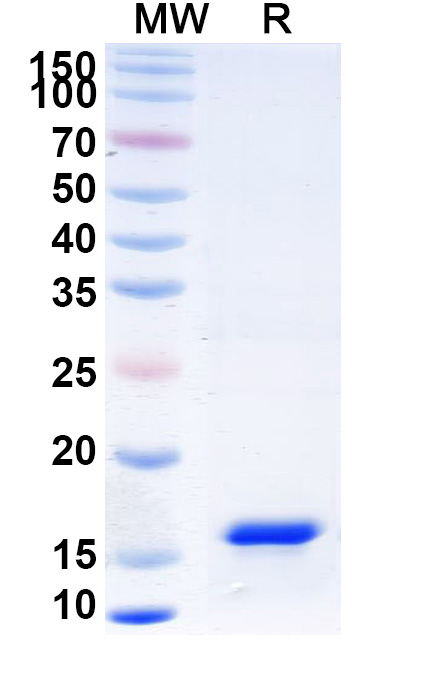
The recombinant human CABYR protein is composed of 186 amino acids and has a molecular weight of approximately 21 kDa. It contains two conserved domains, the CABYR-N and CABYR-C domains, which are essential for its function. The CABYR-N domain is responsible for binding to other proteins, while the CABYR-C domain is involved in protein-protein interactions.
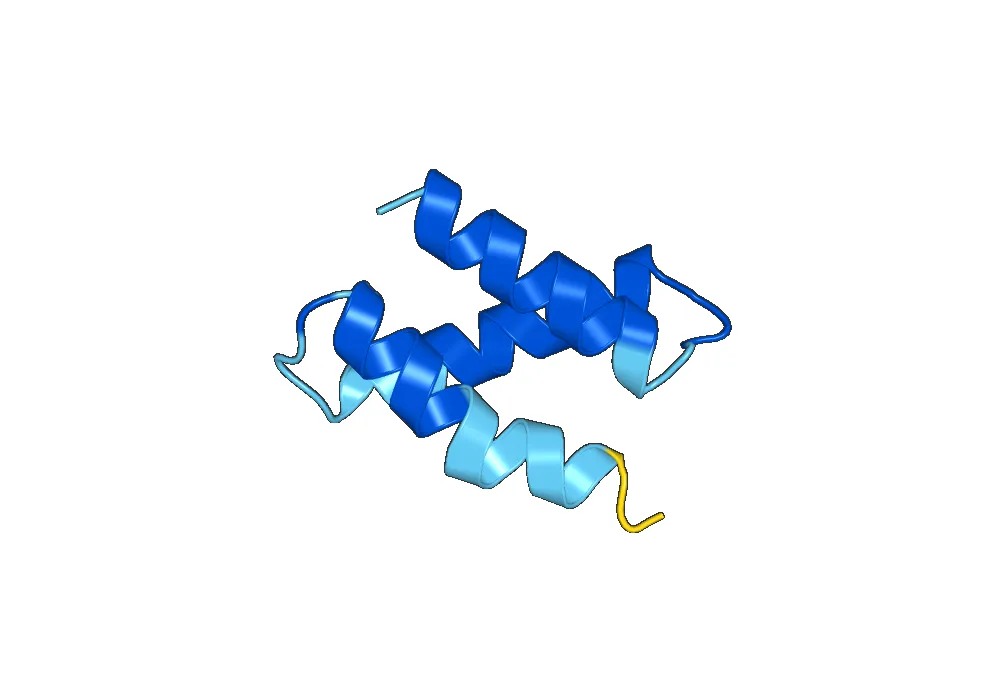
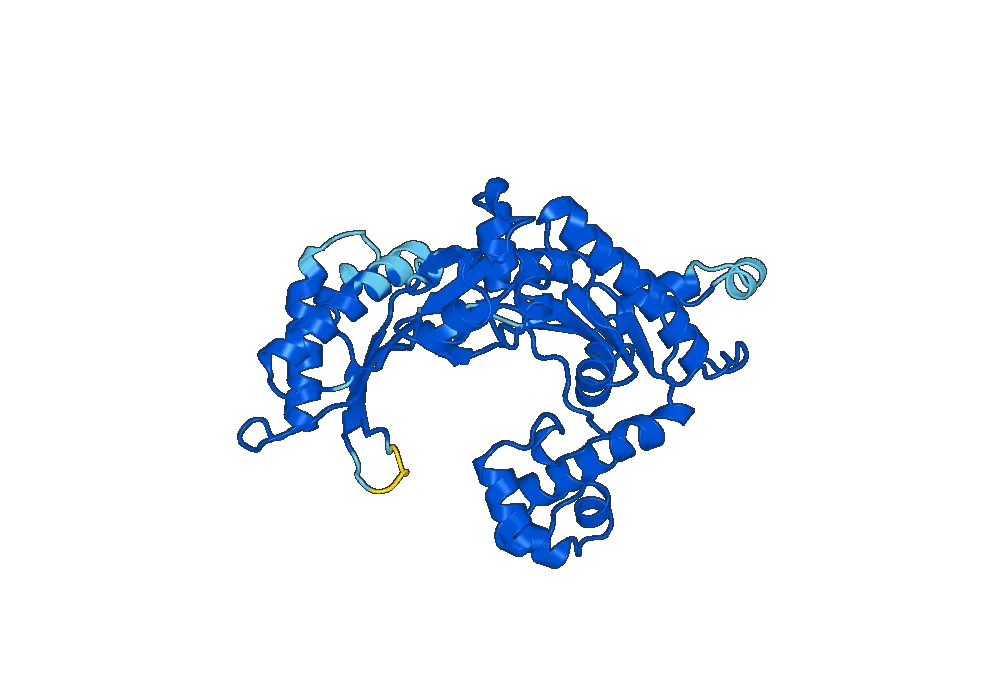
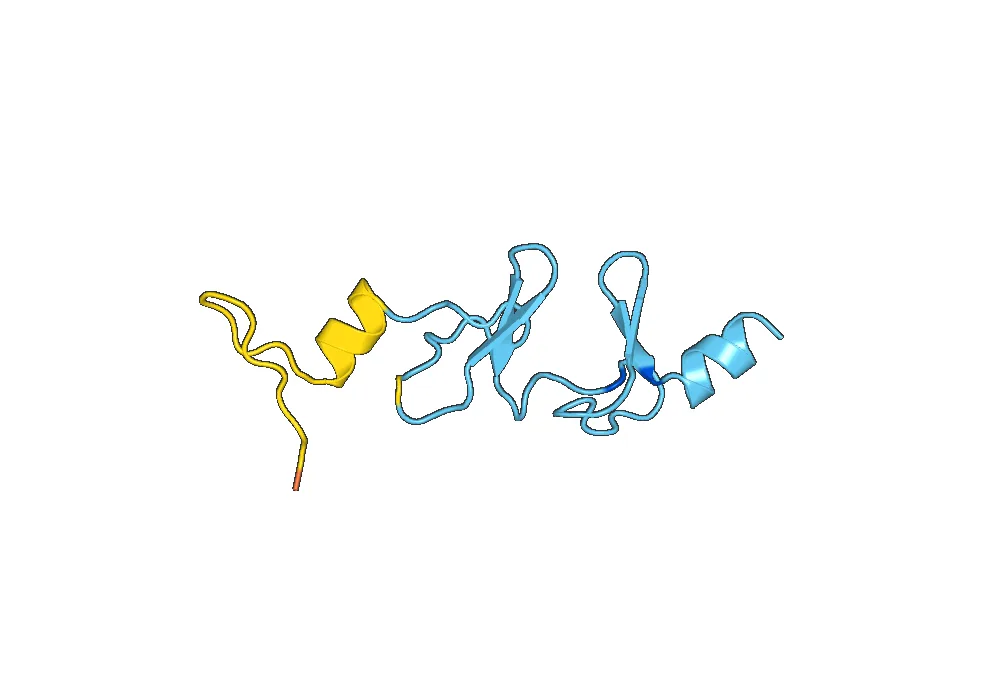
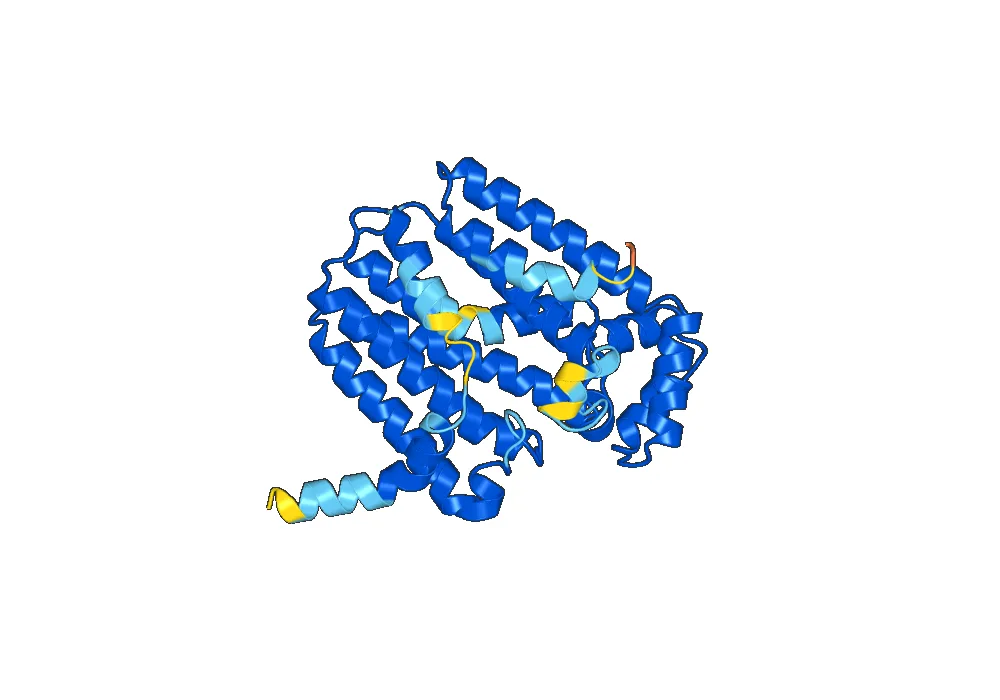
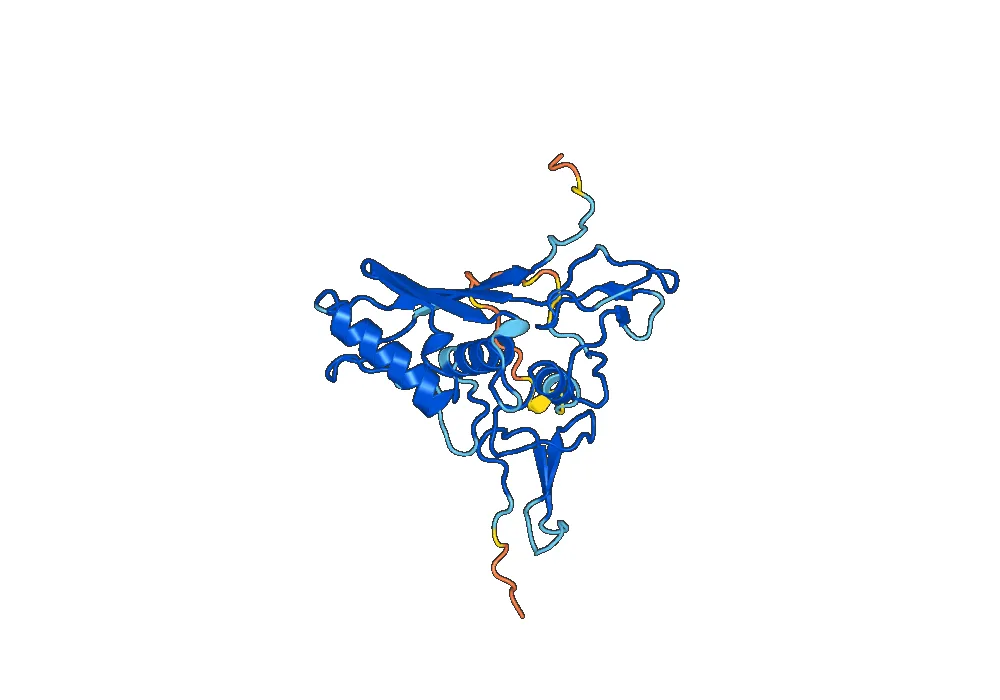
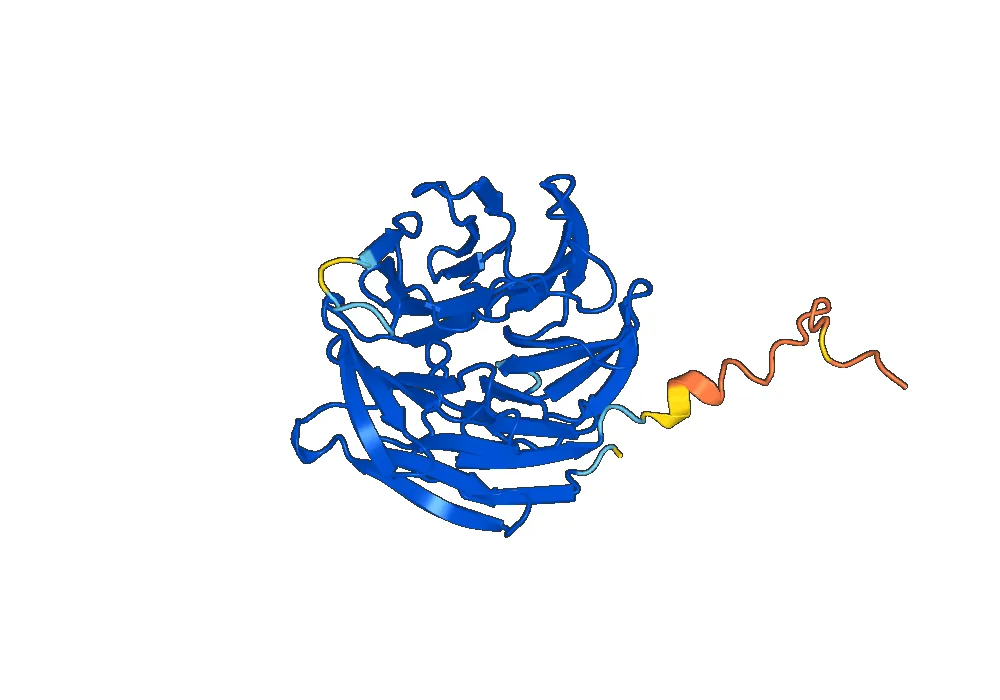
The three-dimensional structure of the recombinant CABYR protein has been determined through X-ray crystallography, revealing a compact globular structure with a central beta-sheet surrounded by alpha-helices. This unique structure allows the protein to interact with different molecules and perform its diverse functions.
Activity of Recombinant Human CABYR Protein
The recombinant human CABYR protein has been shown to have multiple activities, including acting as an antigen, a binding partner, and a regulator of cellular processes.
Antigenic Activity
CABYR has been identified as an antigen in various types of cancer, including prostate, breast, and lung cancer. It is overexpressed in cancer cells and has been found to elicit an immune response in patients, making it a potential target for cancer immunotherapy.
Binding Activity
The CABYR protein has been shown to interact with a variety of proteins, including cytoskeletal proteins, kinases, and phosphatases. These interactions are essential for the proper functioning of the cell, such as cell division, motility, and signaling. CABYR has also been found to bind to sperm-specific proteins, suggesting a role in sperm function and fertility.
Regulatory Activity
Studies have shown that CABYR can regulate the activity of certain enzymes, such as protein kinase A and phosphatase 2A, by binding to them and altering their activity. This regulatory activity is crucial for maintaining the balance of cellular processes and has implications in various diseases, including cancer and infertility.
Applications of Recombinant Human CABYR Protein
The unique structure and diverse activities of the recombinant human CABYR protein make it a promising candidate for various applications in the fields of cancer research, reproductive medicine, and drug development.
Cancer Research
As an antigen in cancer cells, CABYR can be used as a diagnostic marker for cancer detection and monitoring. It can also be targeted for cancer immunotherapy, where the immune system is stimulated to recognize and destroy cancer cells expressing CABYR.
Reproductive Medicine
Due to its presence in sperm cells, CABYR has been investigated as a potential biomarker for male fertility. It can also be used in assisted reproductive techniques, such as in vitro fertilization, to improve the success rate of fertilization.
Drug Development
The regulatory activity of CABYR makes it a potential target for drug development. By modulating the activity of enzymes involved in various diseases, such as cancer and infertility, CABYR can be targeted for the development of novel therapeutics.
Conclusion
In conclusion, Recombinant Human CABYR Protein is a unique and versatile protein with a compact globular structure and diverse activities. Its potential applications in cancer research, reproductive medicine, and drug development make it


There are no reviews yet.