Introduction to Recombinant Human CREB3L2 Protein
Recombinant Human CREB3L2 Protein, also known as cAMP-responsive element-binding protein 3-like protein 2, is a protein encoded by the CREB3L2 gene. This protein belongs to the CREB/ATF family of transcription factors and plays a crucial role in regulating gene expression. Recombinant CREB3L2 Protein is produced using recombinant DNA technology, making it a valuable tool for studying its structure, activity, and various applications.
Structure of Recombinant Human CREB3L2 Protein
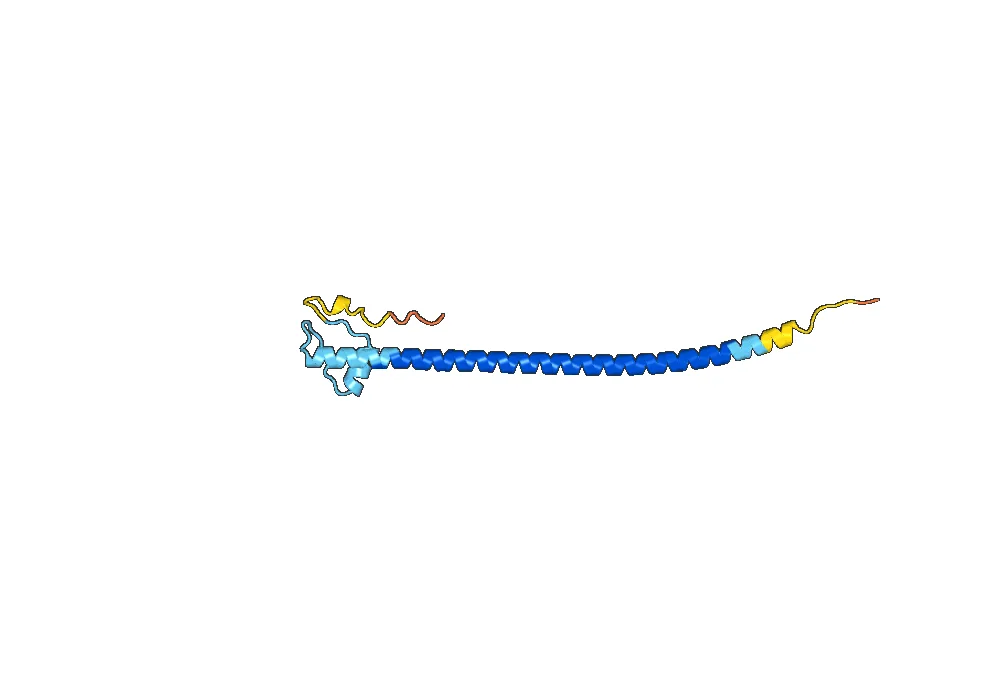
The recombinant CREB3L2 Protein is a 55 kDa protein consisting of 486 amino acids. It contains a basic leucine zipper (bZIP) domain, which is involved in DNA binding and dimerization, and a transmembrane domain. The bZIP domain is crucial for the transcriptional activity of CREB3L2, and mutations in this domain have been linked to various diseases.
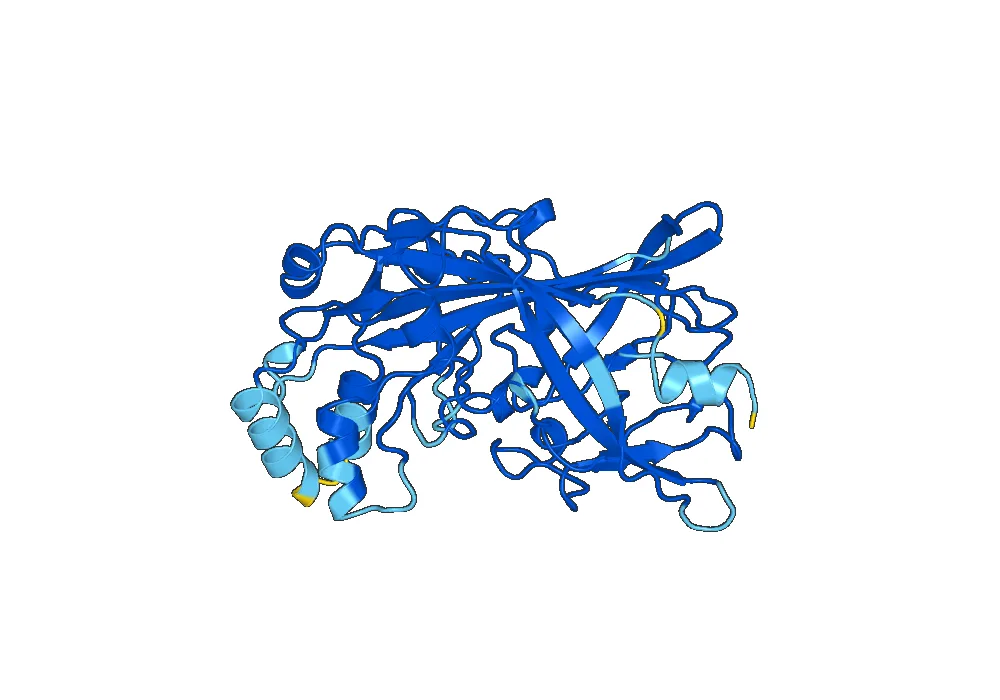
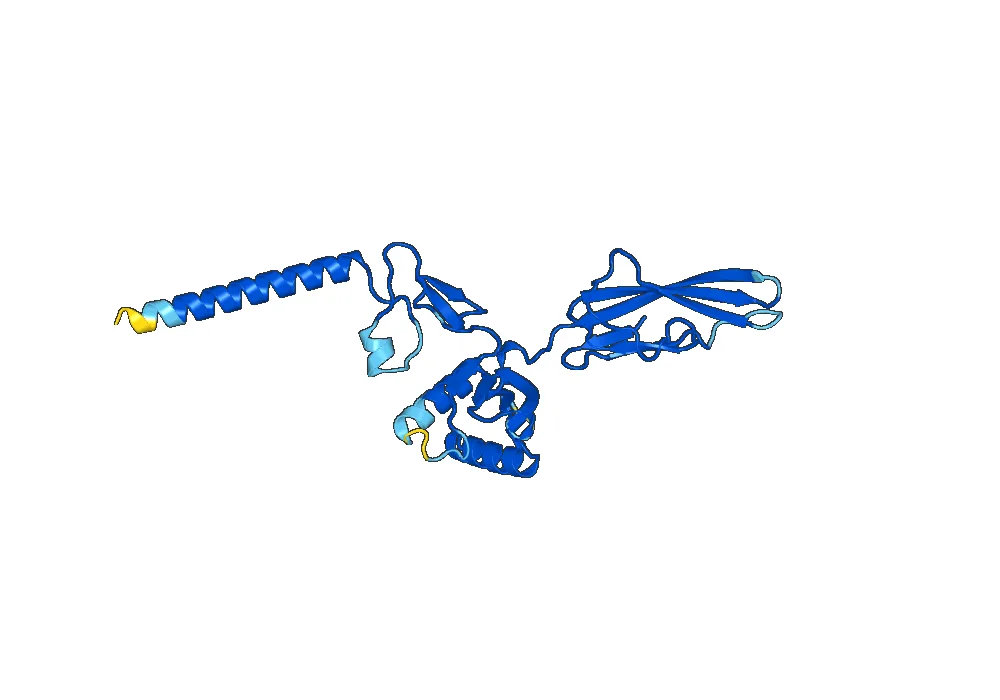
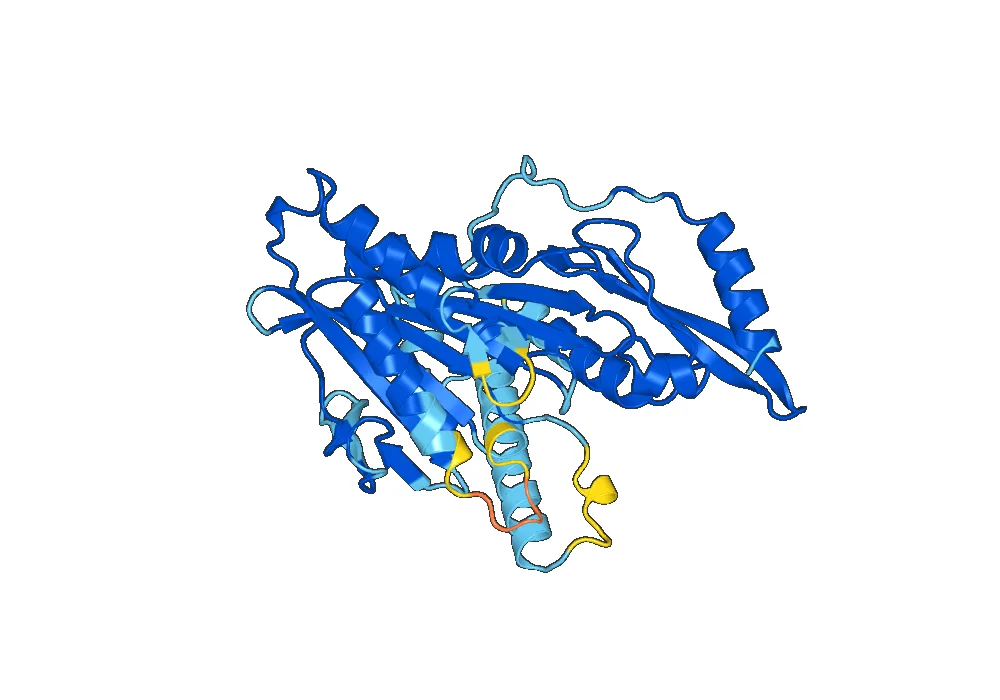
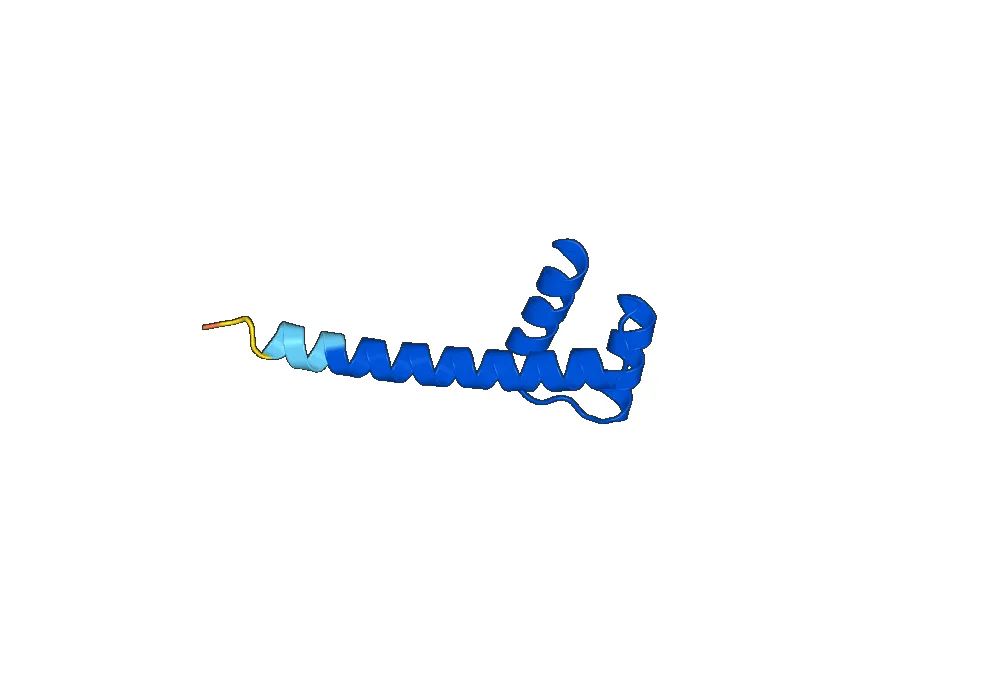
The structure of recombinant CREB3L2 Protein has been extensively studied using techniques like X-ray crystallography and nuclear magnetic resonance (NMR) spectroscopy. These studies have provided insights into the three-dimensional structure of the protein, which is essential for understanding its function and interactions with other molecules.
Activity of Recombinant Human CREB3L2 Protein
Recombinant CREB3L2 Protein is a transcription factor that regulates gene expression by binding to specific DNA sequences called cAMP-responsive elements (CREs). Upon activation, CREB3L2 translocates from the endoplasmic reticulum (ER) to the nucleus, where it binds to CREs and activates the transcription of target genes.
The activity of recombinant CREB3L2 Protein is regulated by various mechanisms, including post-translational modifications like phosphorylation and proteolytic cleavage. Phosphorylation of CREB3L2 by kinases like PKA and MAPK enhances its transcriptional activity, while cleavage by proteases like S1P and S2P releases its active form from the ER membrane.
Applications of Recombinant Human CREB3L2 Protein
Recombinant CREB3L2 Protein has a wide range of applications in both basic research and clinical settings. Some of the key applications include:
1. Studying the role of CREB3L2 in diseases
Mutations in the CREB3L2 gene have been linked to various diseases, including osteogenesis imperfecta, Charcot-Marie-Tooth disease, and Paget’s disease of bone. Recombinant CREB3L2 Protein can be used to study the structure and function of the protein, as well as its role in these diseases. This can help in understanding the underlying mechanisms and developing potential treatments.
2. Screening for potential drugs
As a transcription factor, CREB3L2 plays a crucial role in regulating gene expression. Recombinant CREB3L2 Protein can be used in high-throughput screening assays to identify small molecule compounds that can modulate its activity. These compounds can then be further developed as potential drugs for diseases where CREB3L2 is involved.
3. Development of diagnostic tools
The expression of CREB3L2 has been found to be dysregulated in various cancers, making it a potential biomarker for cancer diagnosis and prognosis. Recombinant CREB3L2 Protein can be used to develop diagnostic tools like ELISA or immunohistochemistry kits for detecting CREB3L2 levels in patient samples.
4. Protein-protein interaction studies
Recombinant CREB3L2 Protein can be used in various protein-protein interaction

There are no reviews yet.