Introduction to Recombinant Human FGF21 Protein
Recombinant Human FGF21 Protein is a synthetic form of the human fibroblast growth factor 21 (FGF21) that is produced through genetic engineering techniques. FGF21 is a member of the fibroblast growth factor family, which plays a crucial role in regulating various cellular processes such as cell proliferation, differentiation, and metabolism. Recombinant Human FGF21 Protein has gained significant attention in the scientific community due to its potential therapeutic applications in various diseases.
Structure of Recombinant Human FGF21 Protein
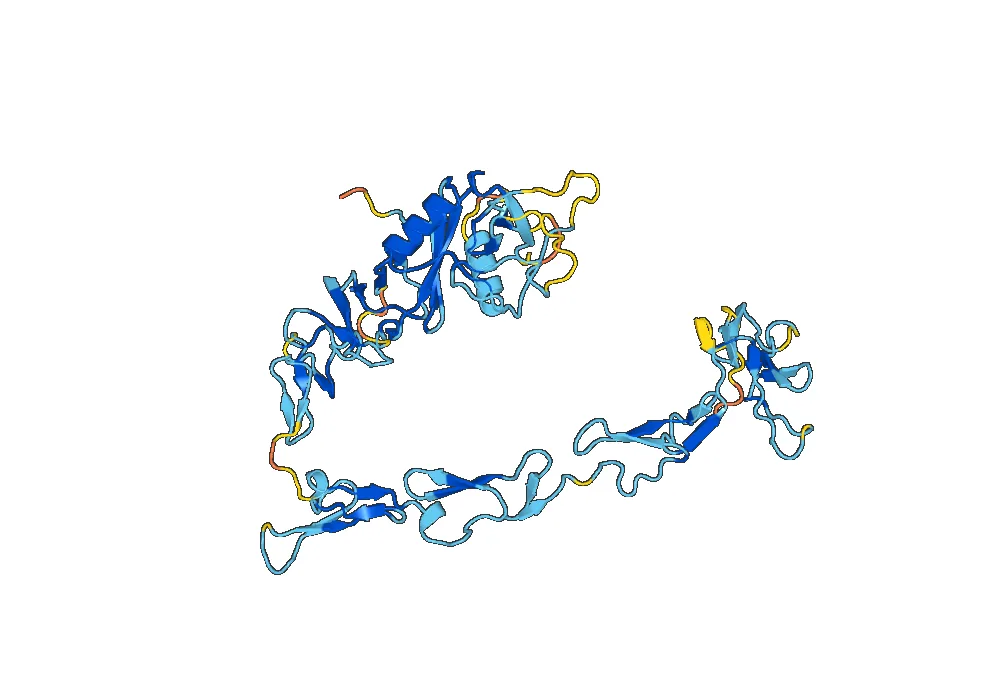
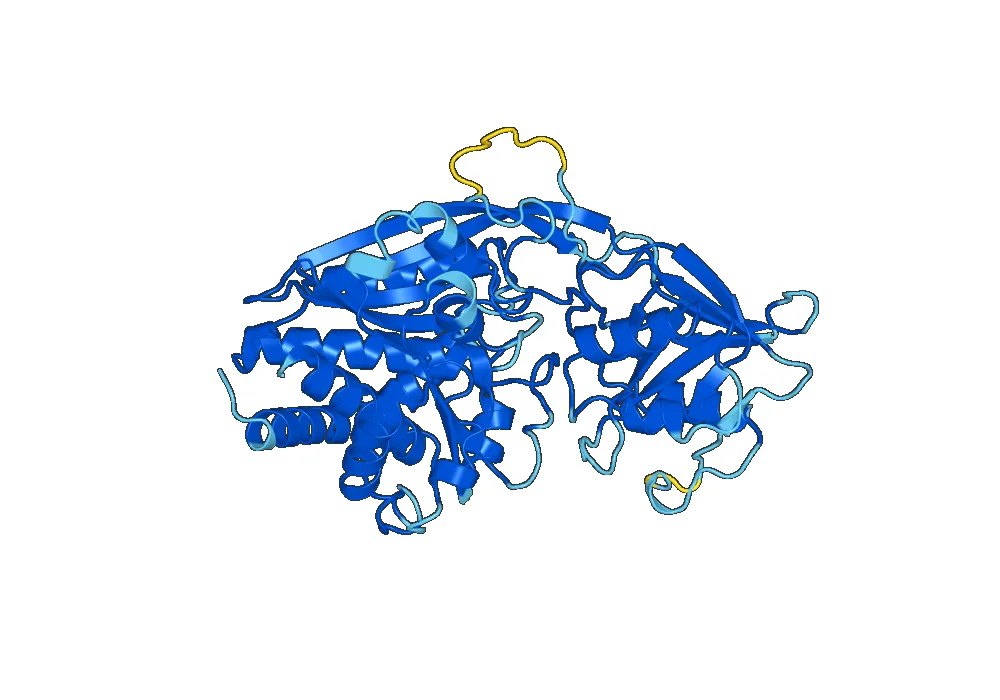
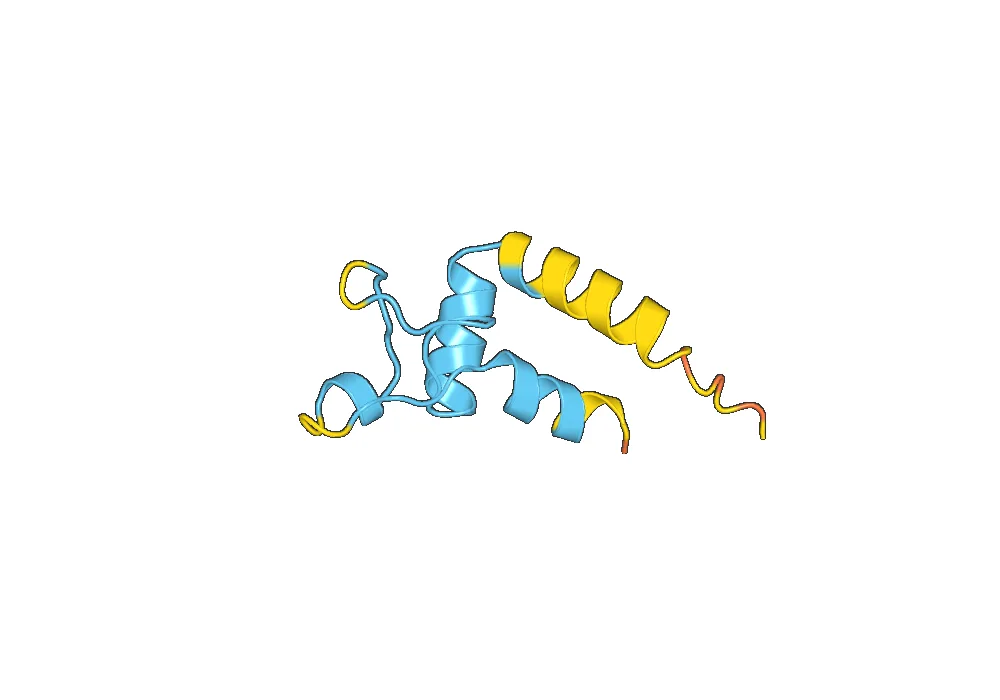
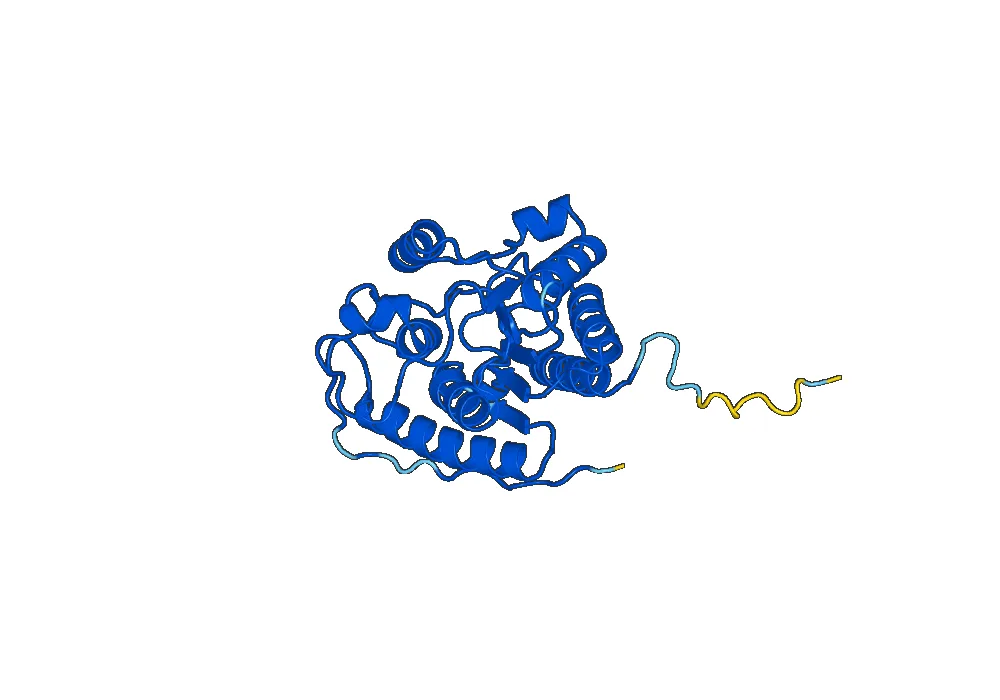
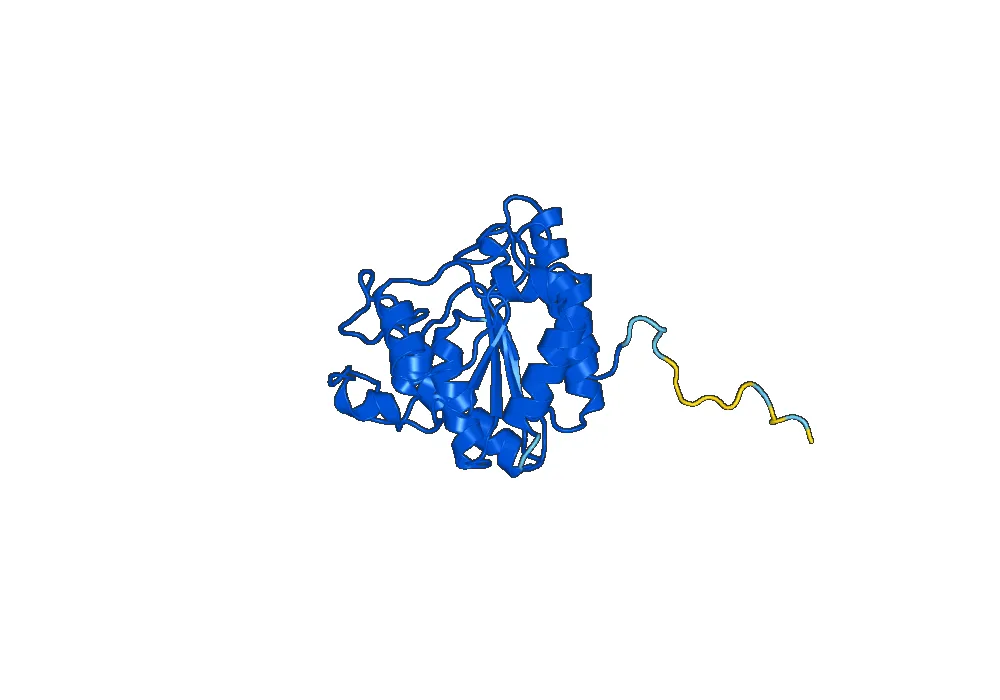
Recombinant Human FGF21 Protein is a 21 kDa protein consisting of 181 amino acids. It shares high sequence homology with the endogenous human FGF21 protein, with 98% identity. The protein has a conserved structure, with a signal peptide at the N-terminus, followed by a β-trefoil structure containing 12 beta strands, and a C-terminal tail. The β-trefoil structure is essential for the binding of FGF21 to its receptor, fibroblast growth factor receptor 1 (FGFR1).
Mechanism of Action
Recombinant Human FGF21 Protein binds to FGFR1 and forms a complex with the co-receptor β-Klotho. This complex activates the downstream signaling pathways, including the mitogen-activated protein kinase (MAPK) and phosphoinositide 3-kinase (PI3K) pathways. These pathways regulate various cellular processes, including glucose and lipid metabolism, which are crucial for maintaining energy homeostasis.
Applications of Recombinant Human FGF21 Protein
The potential therapeutic applications of Recombinant Human FGF21 Protein are being extensively studied in various diseases, including obesity, type 2 diabetes, and non-alcoholic fatty liver disease (NAFLD). FGF21 has been shown to improve insulin sensitivity and reduce body weight and fat mass in animal models of obesity and diabetes. In clinical trials, Recombinant Human FGF21 Protein has shown promising results in improving metabolic parameters in patients with type 2 diabetes and NAFLD.
Obesity
Obesity is a major health concern worldwide, and FGF21 has emerged as a potential therapeutic target for this condition. Recombinant Human FGF21 Protein has been shown to reduce body weight and improve insulin sensitivity in obese animal models. In clinical trials, it has also been found to decrease body weight, waist circumference, and body fat percentage in obese patients with or without type 2 diabetes.
Type 2 Diabetes
Type 2 diabetes is a metabolic disorder characterized by high blood glucose levels due to insulin resistance. FGF21 has been shown to improve insulin sensitivity and glucose metabolism in animal models of diabetes. In clinical trials, Recombinant Human FGF21 Protein has demonstrated significant improvements in glycemic control, insulin sensitivity, and lipid profile in patients with type 2 diabetes.
Non-alcoholic Fatty Liver Disease (NAFLD)
NAFLD is a condition characterized by the accumulation of fat in the liver, which can progress to more severe conditions such as non-alcoholic steatohepatitis (NASH) and liver cirrhosis. FGF21 has been shown to reduce liver fat accumulation and improve liver function in animal models of NAFLD. In clinical trials, Recombinant Human FGF21 Protein has demonstrated significant reductions in liver fat and liver enzymes, indicating its potential as a therapeutic agent for NAFLD.
Conclusion
Recombinant Human FGF21 Protein is a promising therapeutic agent with potential applications in obesity, type 2 diabetes, and NAFLD. Its conserved structure and mechanism of action make it a suitable candidate for clinical use. Further research and clinical trials are needed to fully understand the therapeutic potential of this protein and its role in regulating metabolic processes. However, Recombinant Human FGF21 Protein holds great promise in the treatment of various

There are no reviews yet.