Introduction
Recombinant Human FUS Protein, also known as Fused in Sarcoma protein, is a highly conserved nuclear protein that plays a crucial role in various cellular processes such as RNA processing, DNA repair, and transcriptional regulation. It is encoded by the FUS gene located on chromosome 16 in humans. This protein has been extensively studied and has been found to be involved in several diseases, making it an important target for research and potential therapeutic applications.
Structure of Recombinant Human FUS Protein
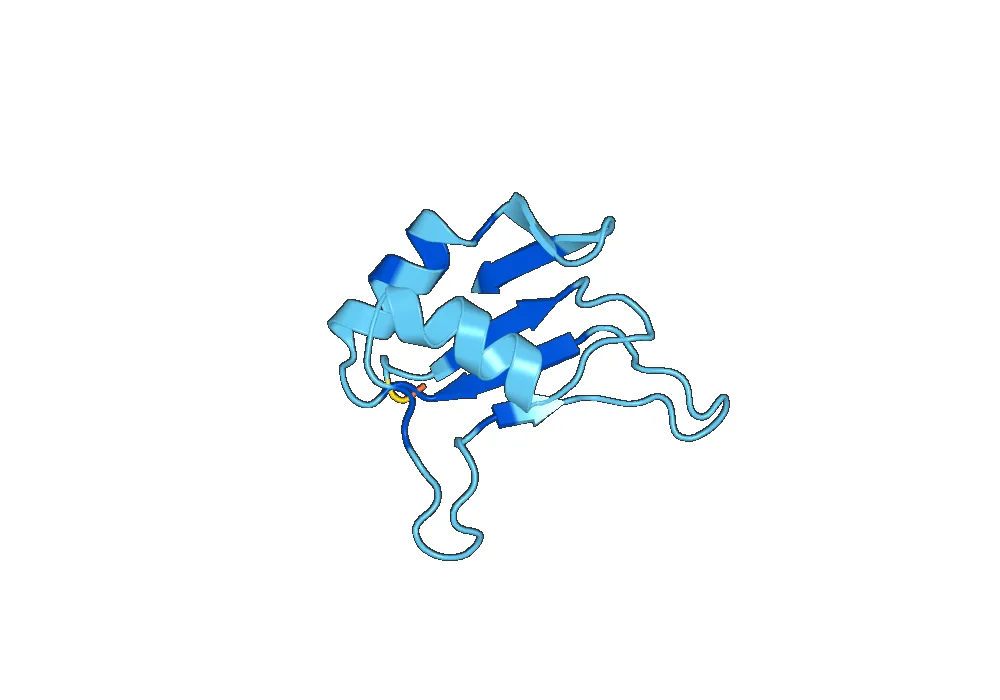
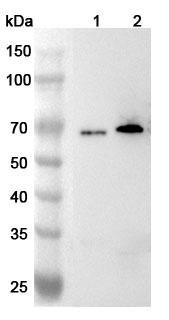
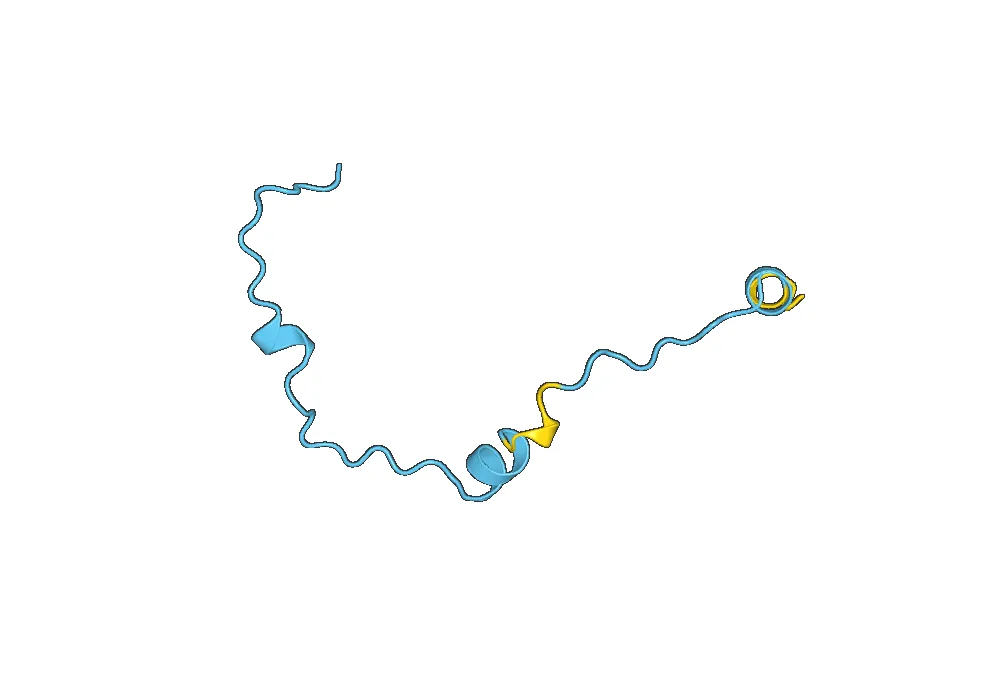
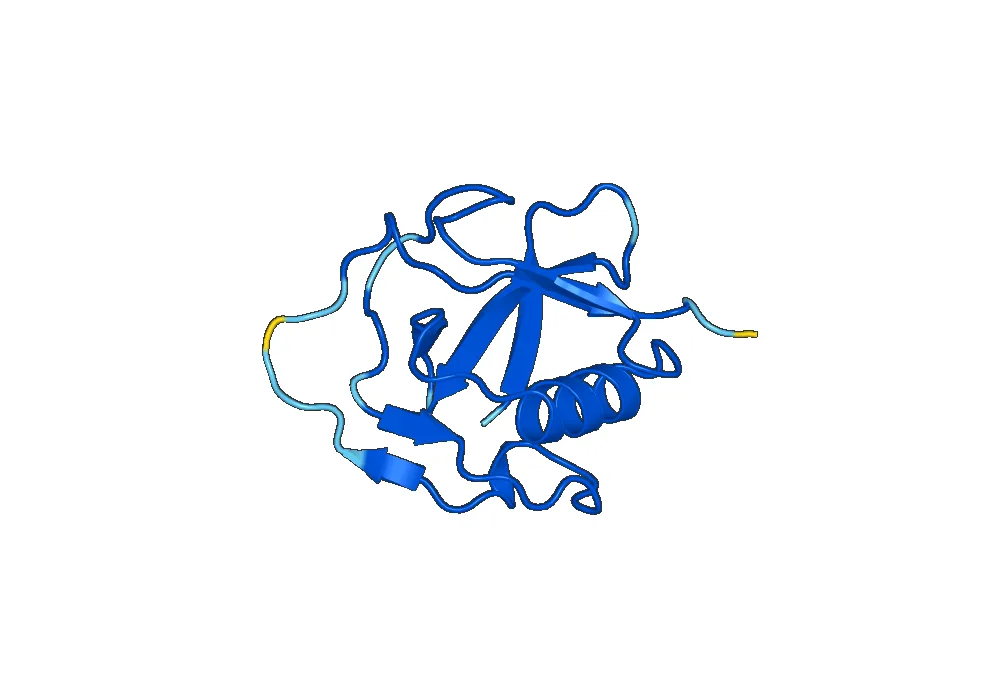
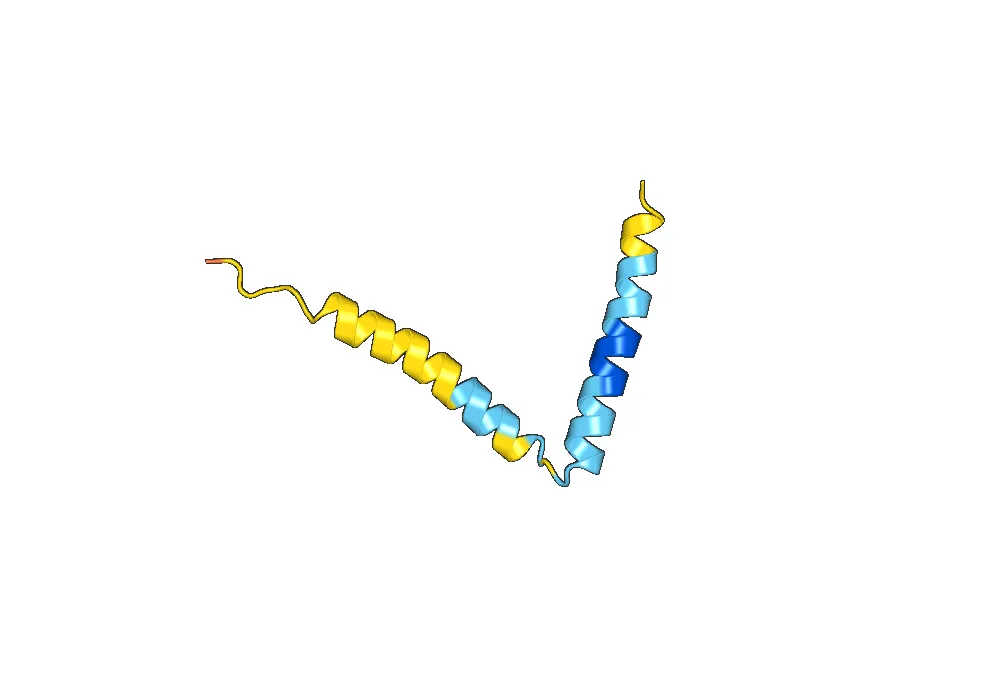
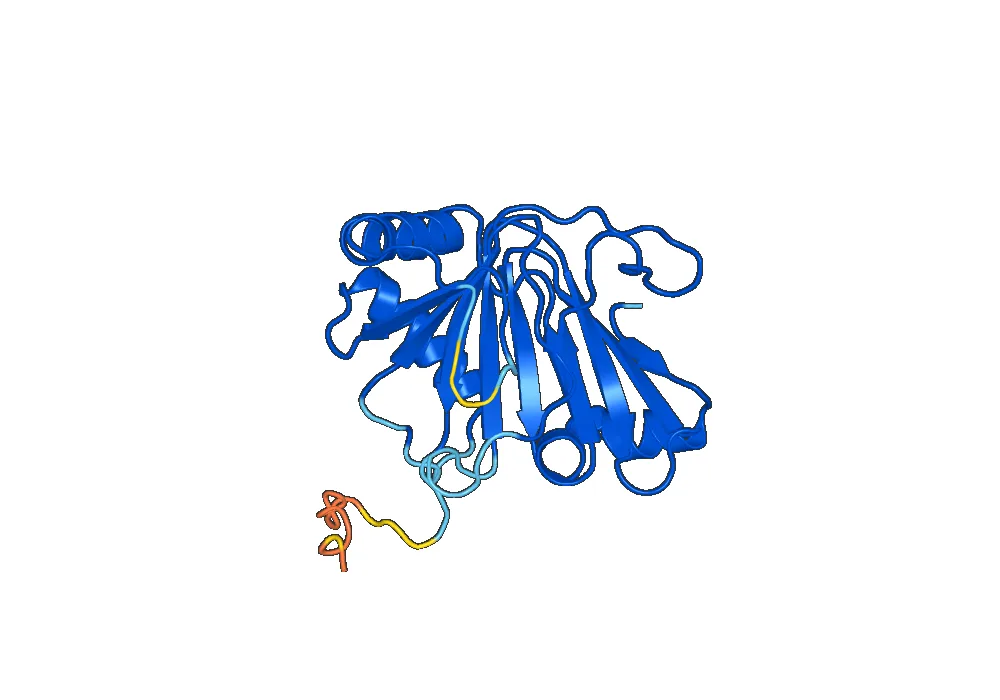
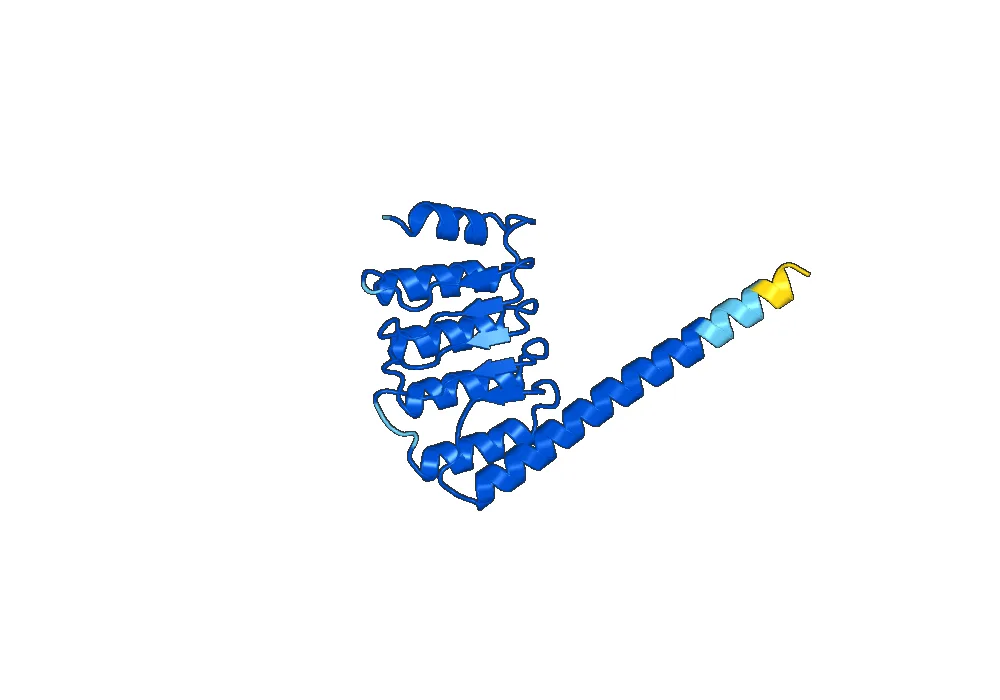
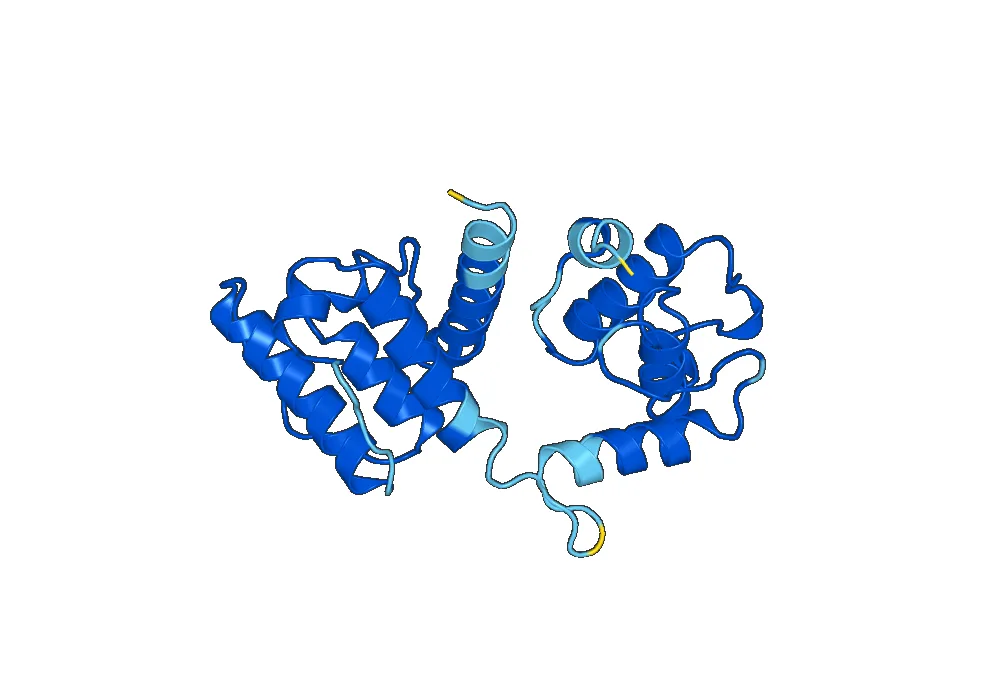
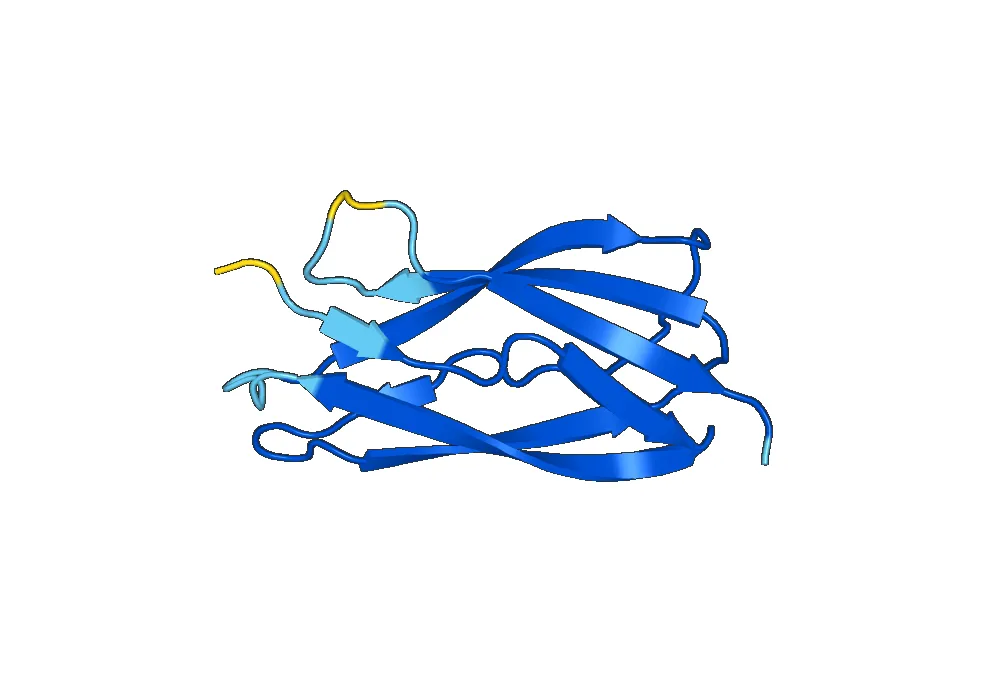
The FUS protein is composed of 526 amino acids with a molecular weight of approximately 60 kDa. It contains several functional domains, including an N-terminal domain rich in glutamine, glycine, and serine residues, a nuclear localization signal, and a C-terminal RNA recognition motif (RRM). The RRM domain is responsible for binding to RNA and is essential for the proper functioning of FUS protein. Additionally, FUS protein has been found to form liquid droplets in the nucleus, which is thought to be important for its role in RNA processing.
Activity of Recombinant Human FUS Protein
The primary function of FUS protein is to regulate RNA metabolism by binding to RNA and influencing its processing, transport, and translation. It has been shown to interact with various RNA-binding proteins, such as hnRNP A1, hnRNP K, and TDP-43, to form ribonucleoprotein complexes that are involved in RNA splicing, transport, and stability. FUS protein has also been found to play a role in DNA repair by interacting with DNA damage response proteins, such as ATM and DNA-PK. Moreover, FUS protein has been shown to regulate transcription by binding to promoter regions of specific genes and influencing their expression.
Application of Recombinant Human FUS Protein
Recombinant Human FUS Protein has been widely used in research to study its role in various cellular processes and its involvement in diseases. It has been shown to play a crucial role in neurodegenerative diseases, such as amyotrophic lateral sclerosis (ALS) and frontotemporal lobar degeneration (FTLD). Mutations in the FUS gene have been linked to these diseases, and studies have shown that these mutations can affect the function and localization of FUS protein, leading to disease pathology. Additionally, FUS protein has been found to be involved in other diseases, such as cancer, where it has been shown to regulate cell proliferation and survival.
Recombinant Human FUS Protein has also been used in drug discovery and development. It has been identified as a potential therapeutic target for ALS and FTLD, and studies have shown that targeting FUS protein can alleviate disease symptoms in animal models. Furthermore, FUS protein has been used in in vitro assays to screen for potential drugs that can modulate its activity and potentially treat diseases associated with FUS dysfunction.
Conclusion
In conclusion, Recombinant Human FUS Protein is a crucial nuclear protein involved in various cellular processes and has been found to be associated with several diseases. Its structure, activity, and application have been extensively studied, making it an important target for further research and potential therapeutic interventions. With ongoing studies and advancements in technology, the role of FUS protein in diseases and its potential as a therapeutic target will continue to be explored, providing a deeper understanding of its function and potential for treatment.
There are no reviews yet.