Introduction to Recombinant Human G6PD Protein
Recombinant Human G6PD protein, also known as glucose-6-phosphate dehydrogenase, is an essential enzyme involved in the metabolism of glucose in the body. It is encoded by the G6PD gene and is found in all human cells. This protein plays a crucial role in red blood cell function, as well as protecting cells from oxidative stress. In this article, we will discuss the structure, activity, and applications of recombinant human G6PD protein.
Structure of Recombinant Human G6PD Protein
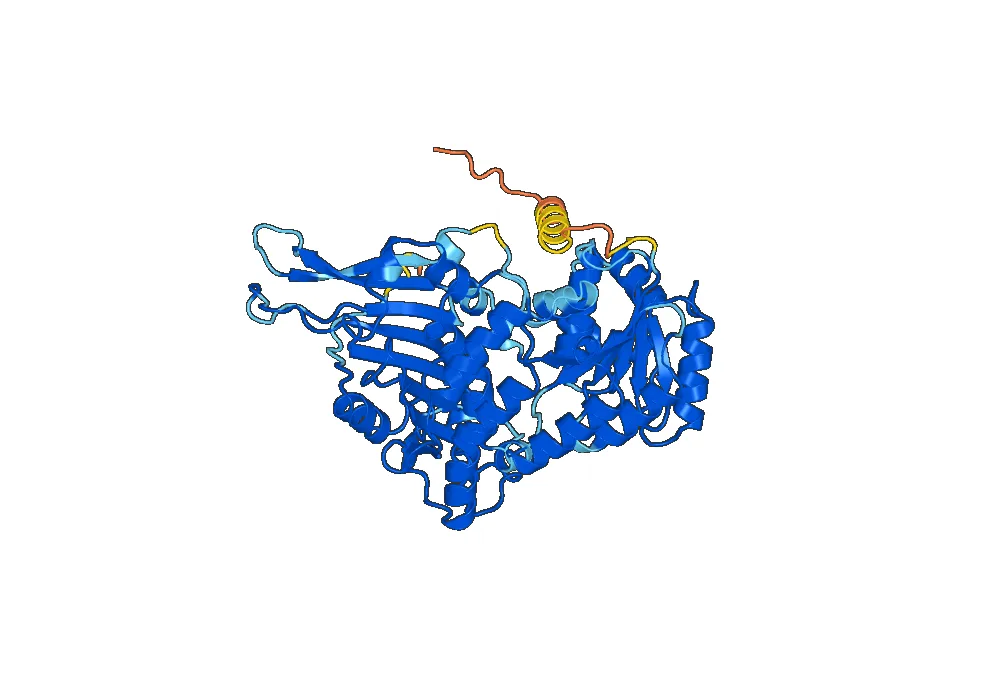
The recombinant human G6PD protein is a dimeric enzyme, meaning it is composed of two identical subunits. Each subunit consists of 515 amino acids and has a molecular weight of approximately 59 kDa. The protein has a complex three-dimensional structure, with multiple domains responsible for its catalytic activity and stability.
The active site of the enzyme is located in the N-terminal domain, which contains a coenzyme-binding site and a substrate-binding site. The coenzyme NADP+ is essential for the enzyme’s activity and is bound to the protein through a conserved amino acid sequence. The substrate glucose-6-phosphate binds to a separate site on the protein, where it is converted to 6-phosphogluconolactone.
In addition to its catalytic domains, the recombinant human G6PD protein also has regulatory domains that control its activity. These include an N-terminal regulatory domain and a C-terminal domain that interacts with other proteins to regulate enzyme function.
Activity of Recombinant Human G6PD Protein
The primary function of recombinant human G6PD protein is to catalyze the conversion of glucose-6-phosphate to 6-phosphogluconolactone, using NADP+ as a coenzyme. This reaction is essential for the production of NADPH, a critical molecule involved in cellular redox reactions and antioxidant defense.
In addition to its role in glucose metabolism, recombinant human G6PD protein also plays a crucial role in protecting cells from oxidative stress. The enzyme is highly active in red blood cells, where it helps maintain the balance of reactive oxygen species (ROS) and protects the cells from damage caused by oxidative stress.
Deficiencies in G6PD activity can lead to a condition called G6PD deficiency, which is characterized by low levels of NADPH and increased susceptibility to oxidative stress. This condition is most commonly found in red blood cells and can lead to hemolytic anemia, a condition where red blood cells are destroyed faster than they can be produced.
Applications of Recombinant Human G6PD Protein
Recombinant human G6PD protein has several applications in both research and medicine. One of the most significant applications is in the diagnosis and management of G6PD deficiency. By measuring the activity of the enzyme, doctors can identify individuals with G6PD deficiency and provide appropriate treatment and management strategies.
The recombinant protein also has potential therapeutic applications. As G6PD deficiency is associated with increased oxidative stress, researchers are investigating the use of recombinant human G6PD protein as a potential treatment for conditions related to oxidative stress, such as neurodegenerative diseases and cardiovascular disorders.
Furthermore, recombinant human G6PD protein is also used in research studies to understand the role of the enzyme in various cellular processes. By studying the structure and activity of the protein, researchers can gain insights into its function and potential therapeutic applications.
Conclusion
In summary, recombinant human G6PD protein is an essential enzyme involved in glucose metabolism and protection against oxidative stress. Its complex structure and activity make it a crucial molecule in maintaining cellular health. With ongoing research and advancements in recombinant protein technology, the potential applications of recombinant human


There are no reviews yet.