Recombinant Human GCDH: Structure, Activity, and Application
Introduction
Recombinant human GCDH (glutaryl-CoA dehydrogenase) is a protein that plays a crucial role in the metabolism of lysine and tryptophan. It is encoded by the GCDH gene and is responsible for catalyzing the conversion of glutaryl-CoA to crotonyl-CoA, an important step in the catabolism of these amino acids. In this article, we will explore the structure, activity, and application of recombinant human GCDH.
Structure of Recombinant Human GCDH
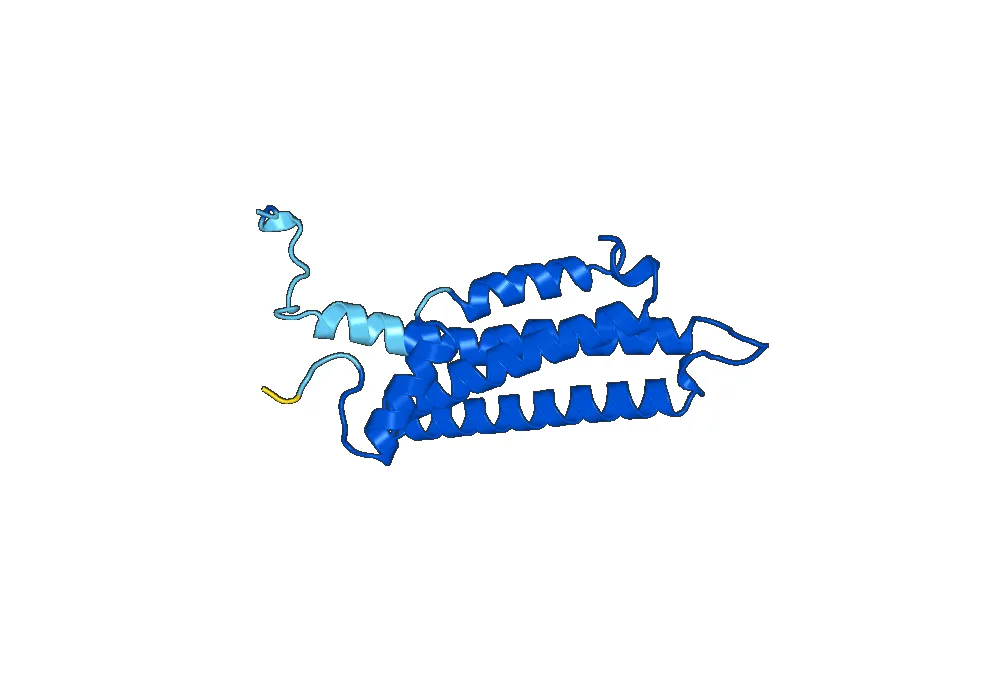
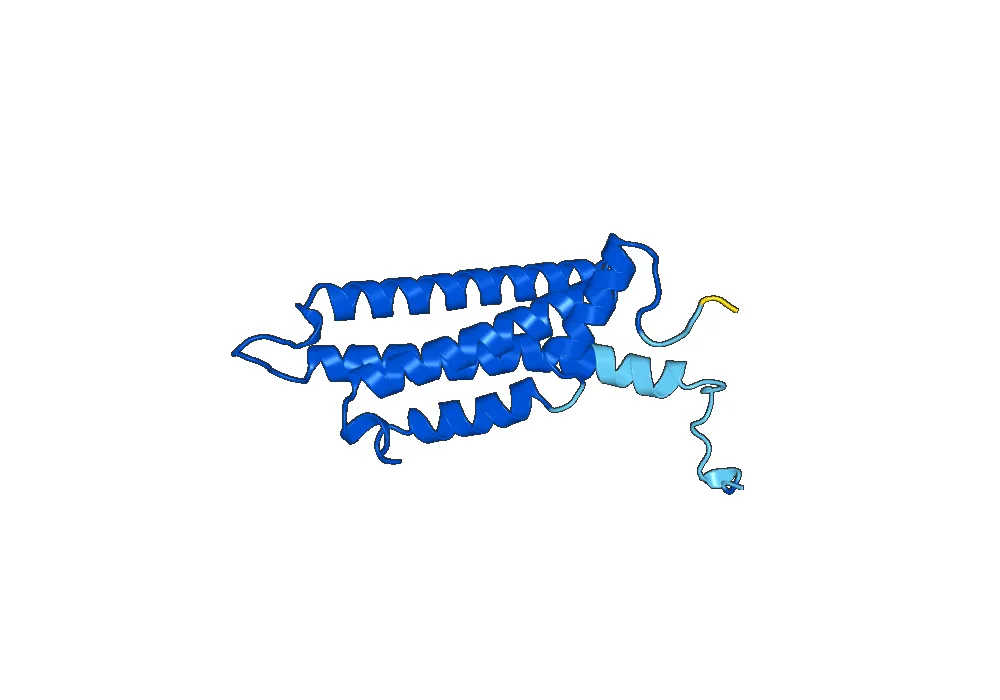
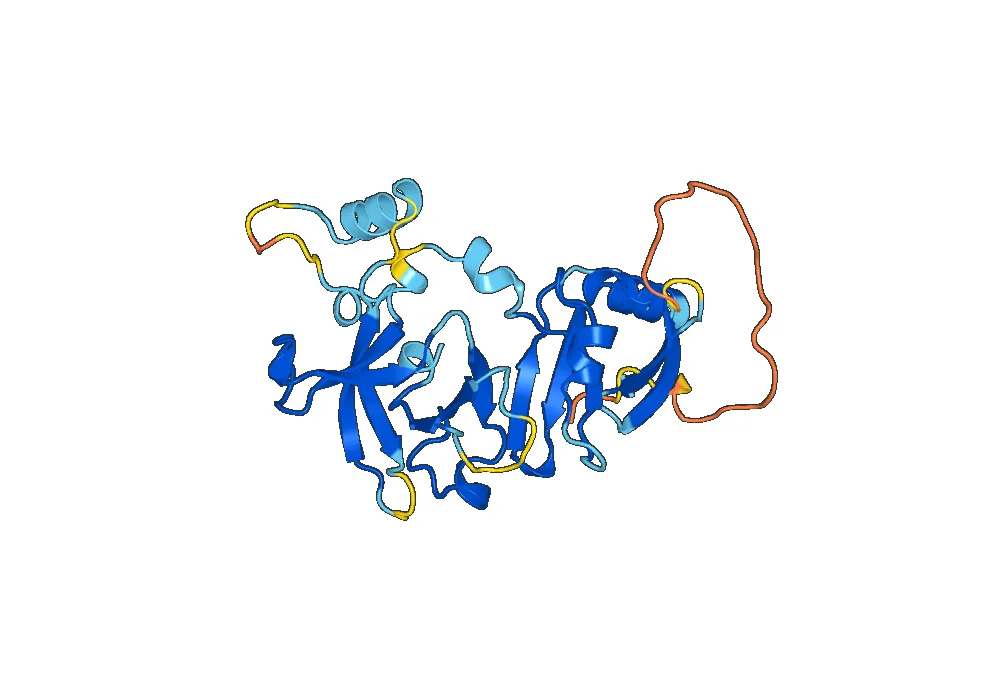
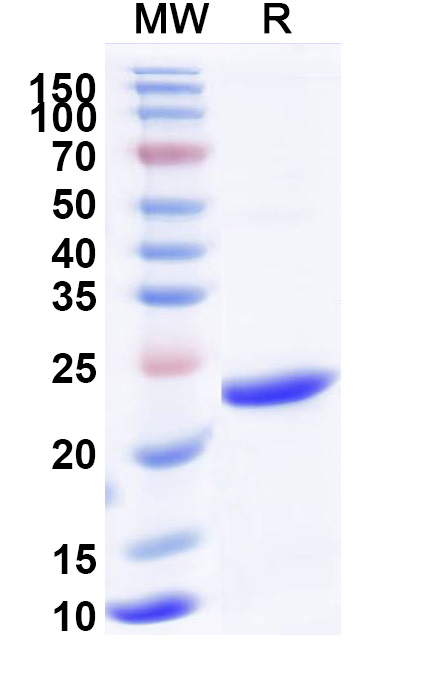
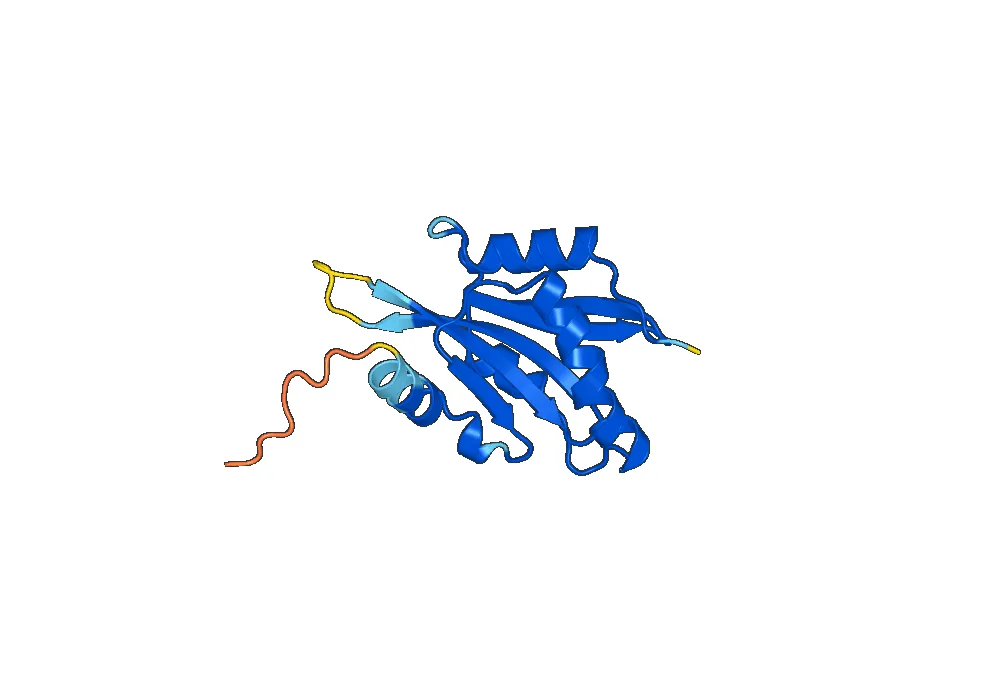
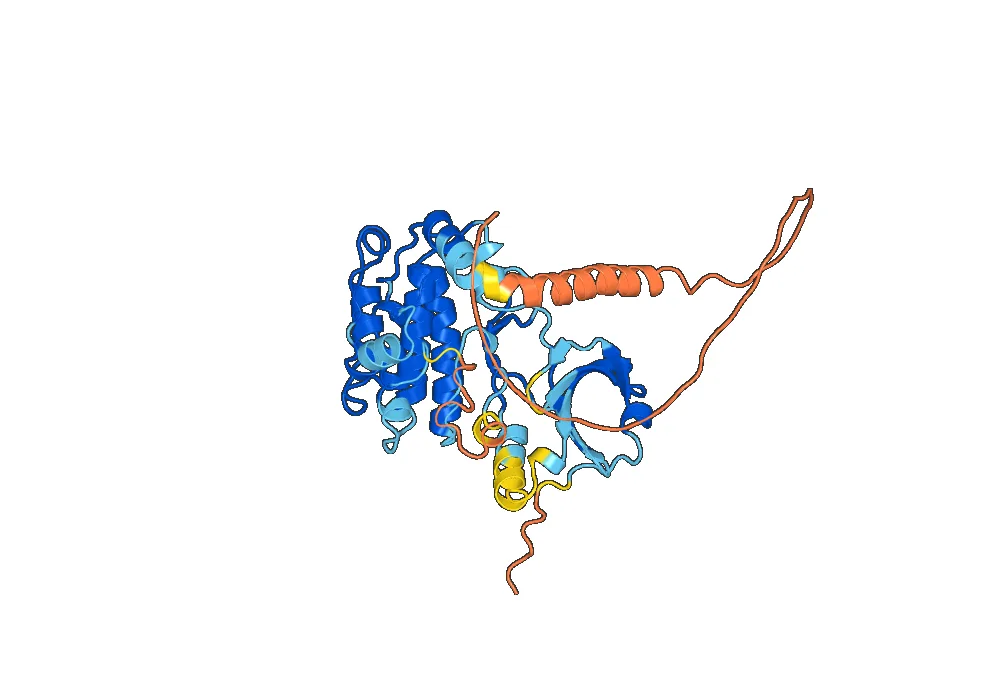
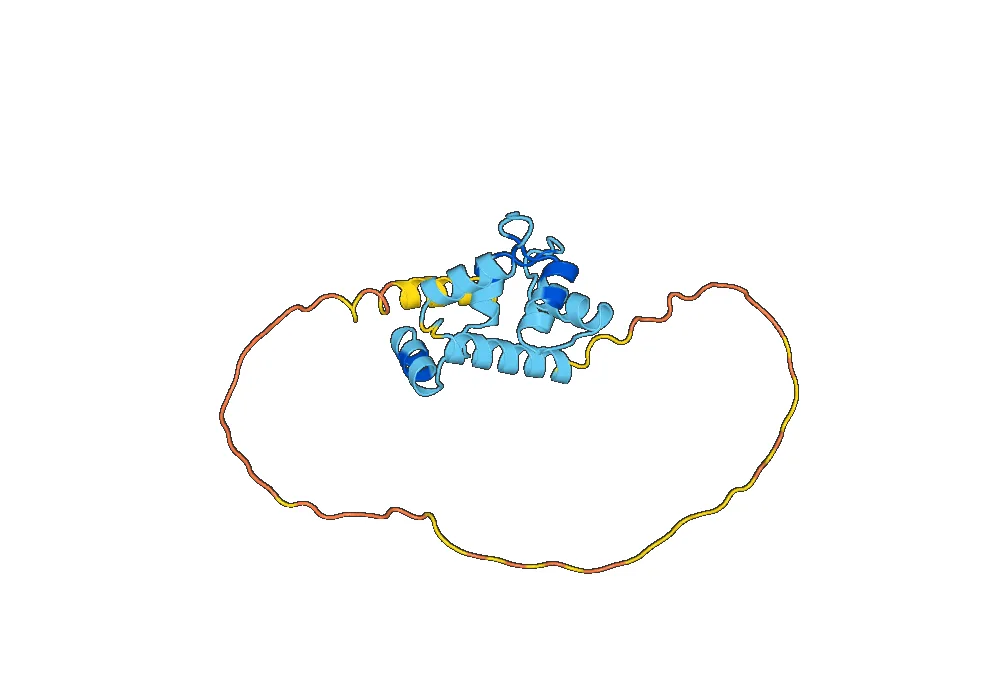
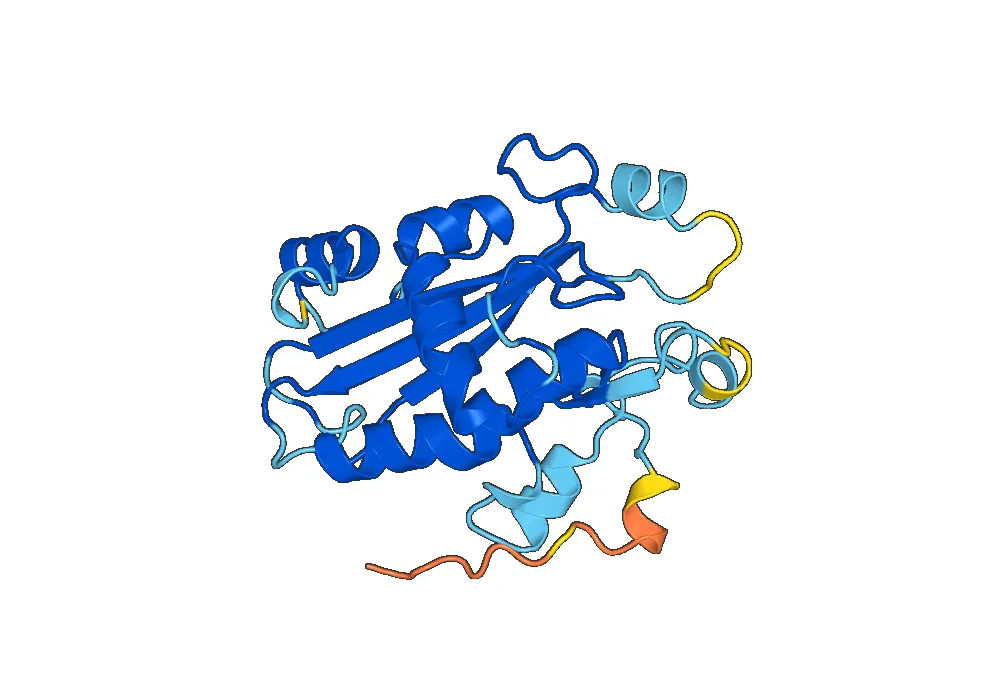
Recombinant human GCDH is a homotetrameric protein, meaning it is made up of four identical subunits. Each subunit consists of 409 amino acids and has a molecular weight of approximately 45 kDa. The crystal structure of recombinant human GCDH has been determined, revealing a complex arrangement of alpha helices and beta sheets. The active site of the protein is located at the interface of two subunits and contains a flavin adenine dinucleotide (FAD) cofactor, which is essential for its catalytic activity.
Activity of Recombinant Human GCDH
The main function of recombinant human GCDH is to catalyze the oxidation of glutaryl-CoA to crotonyl-CoA, using FAD as a cofactor. This reaction is an important step in the catabolism of lysine and tryptophan, two essential amino acids that cannot be synthesized by the human body. Defects in the GCDH gene can lead to a deficiency in GCDH activity, resulting in the accumulation of toxic metabolites such as glutaric acid and 3-hydroxyglutaric acid. This can lead to a rare genetic disorder known as glutaric aciduria type 1, which can cause neurological damage and developmental delays.
Recombinant human GCDH has also been shown to have a role in the detoxification of a variety of other compounds, including certain drugs and environmental toxins. It has been found to be particularly effective in breaking down glutaric acid, which is produced by the metabolism of some drugs and can be toxic to the body.
Application of Recombinant Human GCDH
Recombinant human GCDH has a wide range of applications in both research and medicine. One of its most important uses is in the diagnosis and management of glutaric aciduria type 1. The measurement of GCDH activity in blood or urine samples can help identify individuals with this disorder, allowing for early detection and treatment. Recombinant human GCDH is also used in enzyme replacement therapy for the treatment of glutaric aciduria type 1. This involves administering the missing or defective GCDH protein to patients, which can help improve their symptoms and prevent further neurological damage.
Aside from its role in glutaric aciduria type 1, recombinant human GCDH has also been studied for its potential therapeutic applications in other diseases. It has been shown to have antioxidant and anti-inflammatory properties, making it a potential candidate for the treatment of conditions such as Alzheimer’s disease and Parkinson’s disease. Additionally, recombinant human GCDH has been investigated for its potential role in cancer treatment, as it has been found to inhibit the growth of certain cancer cells.
Conclusion
In summary, recombinant human GCDH is a homotetrameric protein that plays a crucial role in the metabolism of lysine and tryptophan. Its structure and catalytic activity have been extensively studied, and it has been found to have various applications in research and medicine. Further research on recombinant human GCDH may lead to new treatments for a variety of diseases and disorders, making it a promising protein in the field of biotechnology.

There are no reviews yet.