Introduction to Recombinant Human GDA
Recombinant Human GDA (glutamate decarboxylase) is a protein that plays a critical role in the central nervous system. It is an enzyme that catalyzes the conversion of the neurotransmitter glutamate into the inhibitory neurotransmitter gamma-aminobutyric acid (GABA). This process is important for maintaining a balance between excitatory and inhibitory signals in the brain, and disruptions in GABA production have been linked to various neurological disorders.
Structure of Recombinant Human GDA
Recombinant Human GDA is a 64-kDa protein composed of 585 amino acids. It is encoded by the GAD1 gene and is highly conserved among different species, with a 98% similarity between human and mouse GDA. The protein has a pyridoxal phosphate (PLP) binding site, which is essential for its catalytic activity. It also contains a conserved zinc-binding domain that is important for maintaining the protein’s structure and stability.
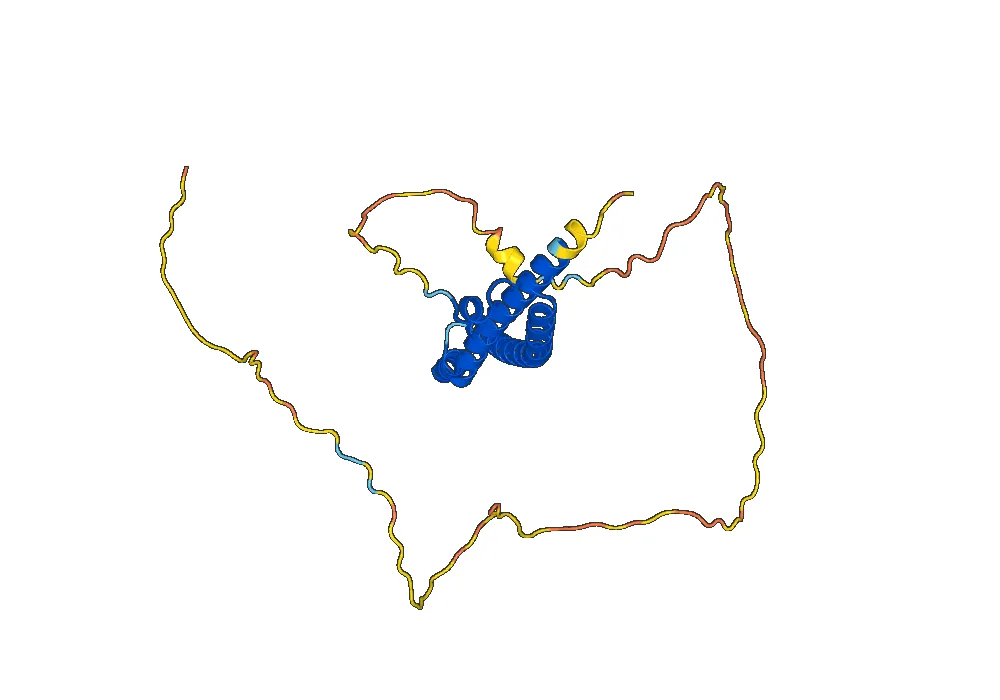
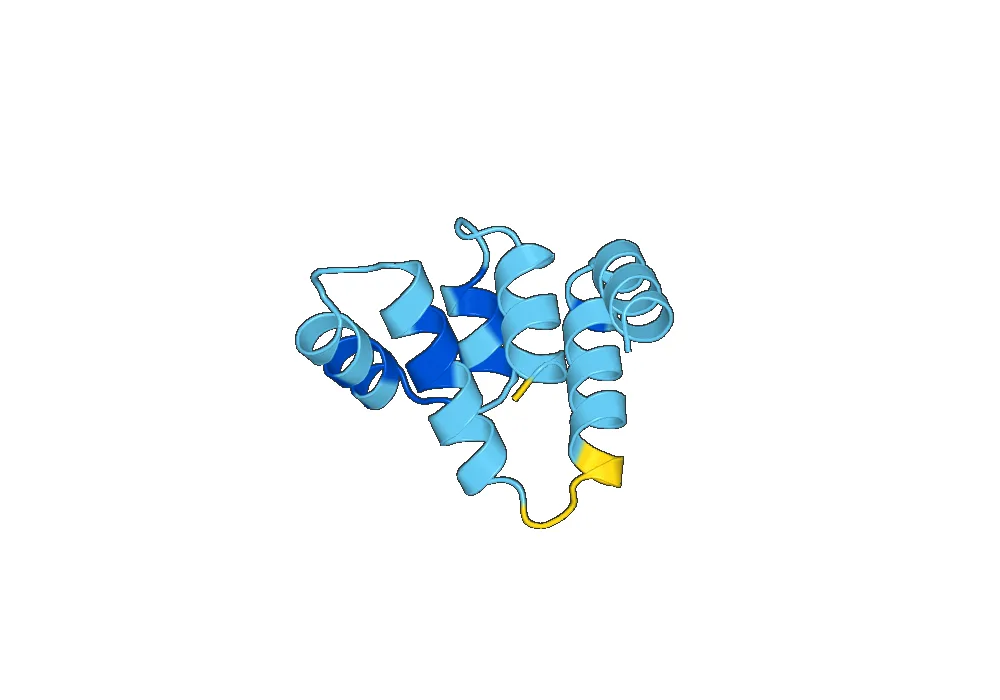
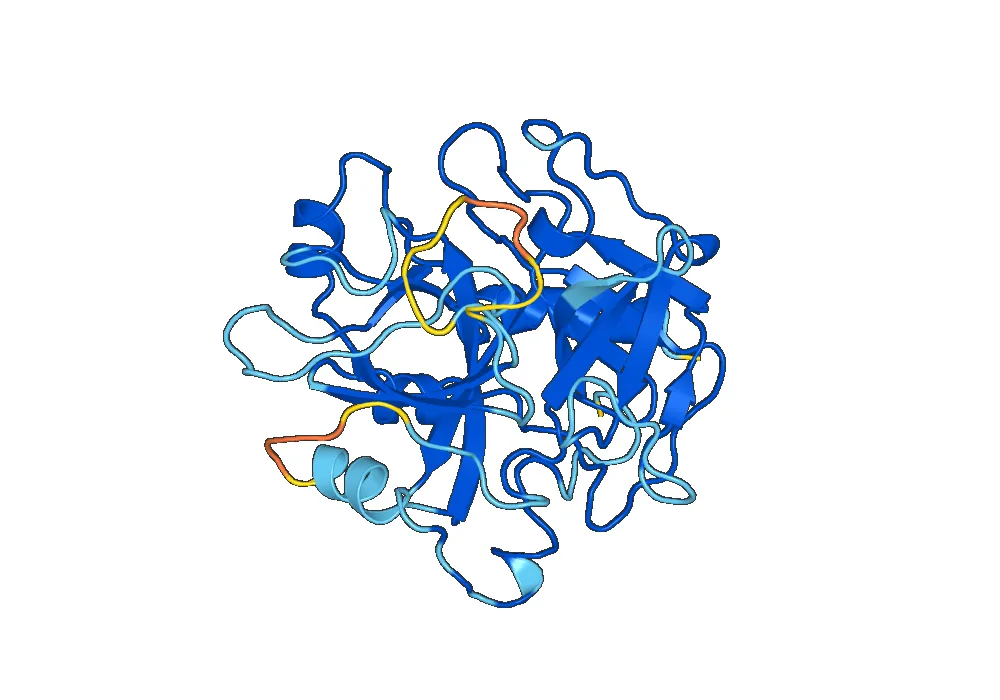
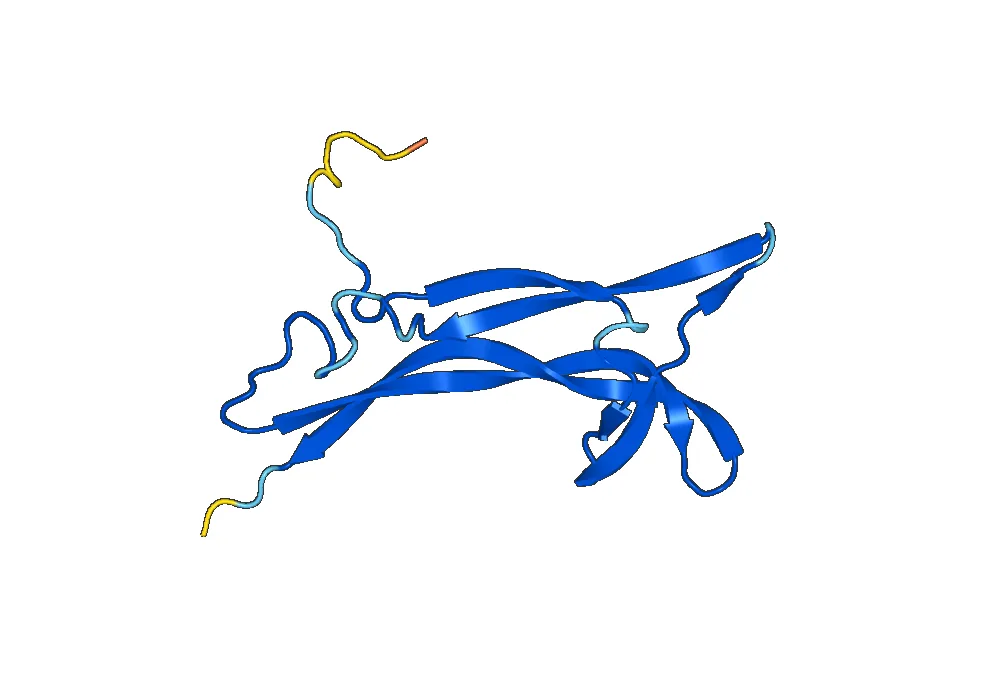
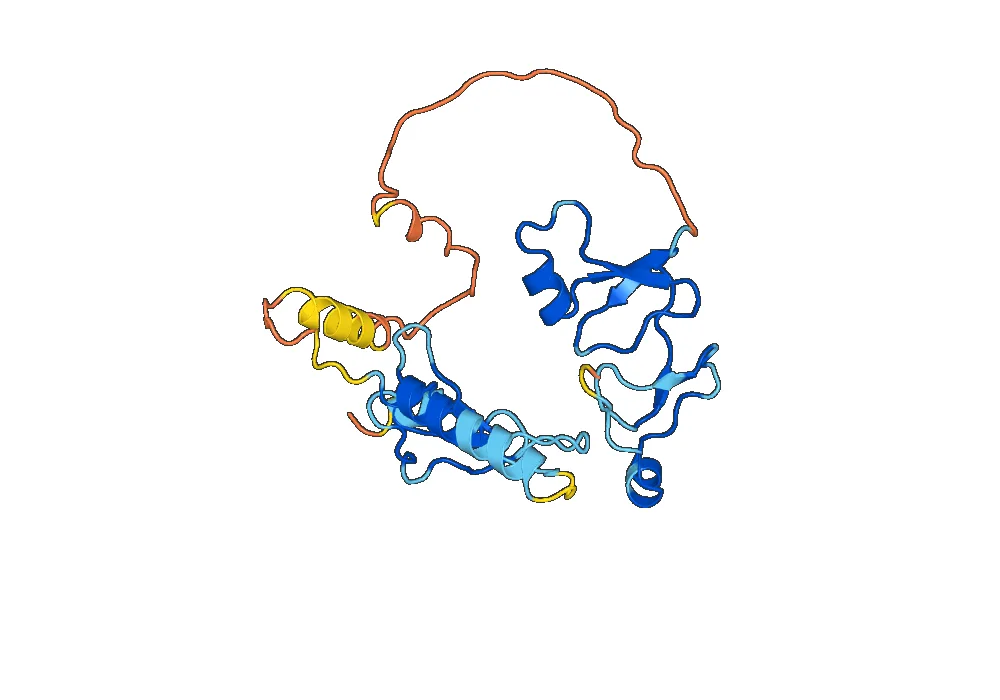
The crystal structure of Recombinant Human GDA has been elucidated, revealing a homodimeric structure with each monomer consisting of two domains: an N-terminal PLP-binding domain and a C-terminal catalytic domain. The dimerization of GDA is essential for its activity, as it allows for the formation of a catalytic site at the interface of the two monomers.
Activity of Recombinant Human GDA
Recombinant Human GDA is a key enzyme in the production of GABA, an inhibitory neurotransmitter that plays a crucial role in regulating neuronal excitability. The enzyme catalyzes the decarboxylation of glutamate, a process that involves the removal of a carboxyl group and the production of GABA. This conversion is essential for maintaining a balance between excitatory and inhibitory signals in the brain, preventing overstimulation and maintaining proper neuronal function.
Aside from its role in GABA production, Recombinant Human GDA has also been found to have non-catalytic functions. It has been shown to interact with other proteins and modulate their activity, suggesting a potential role in cell signaling and protein regulation. Additionally, GDA has been found to be involved in the development and maintenance of pancreatic beta cells, which play a crucial role in insulin production and glucose regulation.
Application of Recombinant Human GDA
The production of Recombinant Human GDA using recombinant DNA technology has opened up new possibilities for its application in research and medicine. The availability of large quantities of pure GDA has allowed for detailed studies of its structure and function, as well as the development of potential therapies for GABA-related disorders.
One potential application of Recombinant Human GDA is in the treatment of neurological disorders such as epilepsy and Parkinson’s disease. These conditions are characterized by disruptions in GABA production, and GDA therapy has been shown to improve symptoms in animal models. Clinical trials are currently underway to evaluate the efficacy of GDA therapy in humans.
Recombinant Human GDA also has potential applications in the field of biotechnology. Its ability to convert glutamate into GABA has been harnessed for the production of GABA-rich foods and supplements, which have been shown to have beneficial effects on mood and stress levels. GDA has also been used in the production of biosensors for detecting glutamate levels, allowing for the monitoring of brain activity in real-time.
Conclusion
Recombinant Human GDA is a crucial enzyme involved in the production of the inhibitory neurotransmitter GABA. Its structure and activity have been extensively studied, and its potential applications in medicine and biotechnology are promising. Further research on GDA and its role in various biological processes may lead to new therapies for neurological disorders and other conditions related to GABA dysregulation.


There are no reviews yet.