Introduction
Recombinant Human GFM1 Protein is a synthetic form of the human GFM1 protein, which plays a crucial role in mitochondrial protein synthesis. This protein is encoded by the GFM1 gene and is involved in the elongation phase of protein synthesis in the mitochondria. In this article, we will explore the structure, activity, and applications of Recombinant Human GFM1 Protein.
Structure of Recombinant Human GFM1 Protein
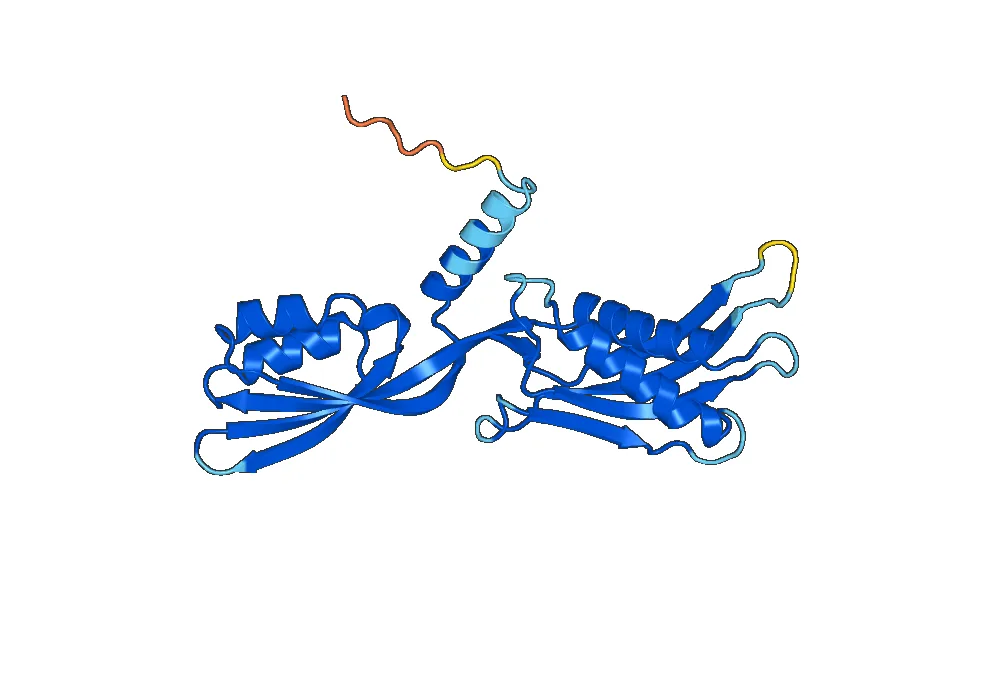
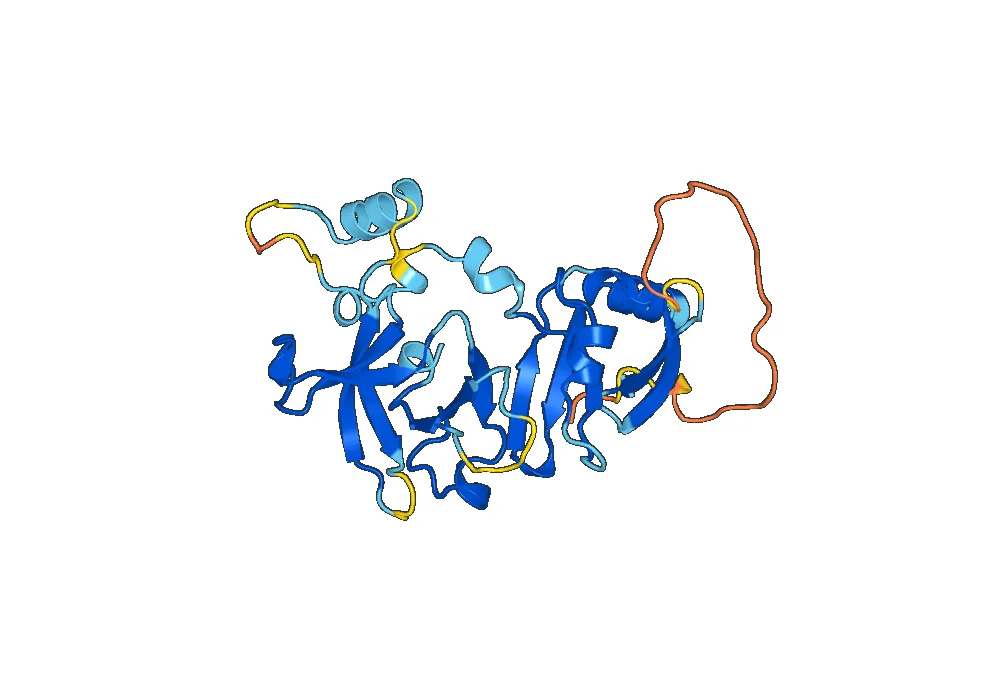
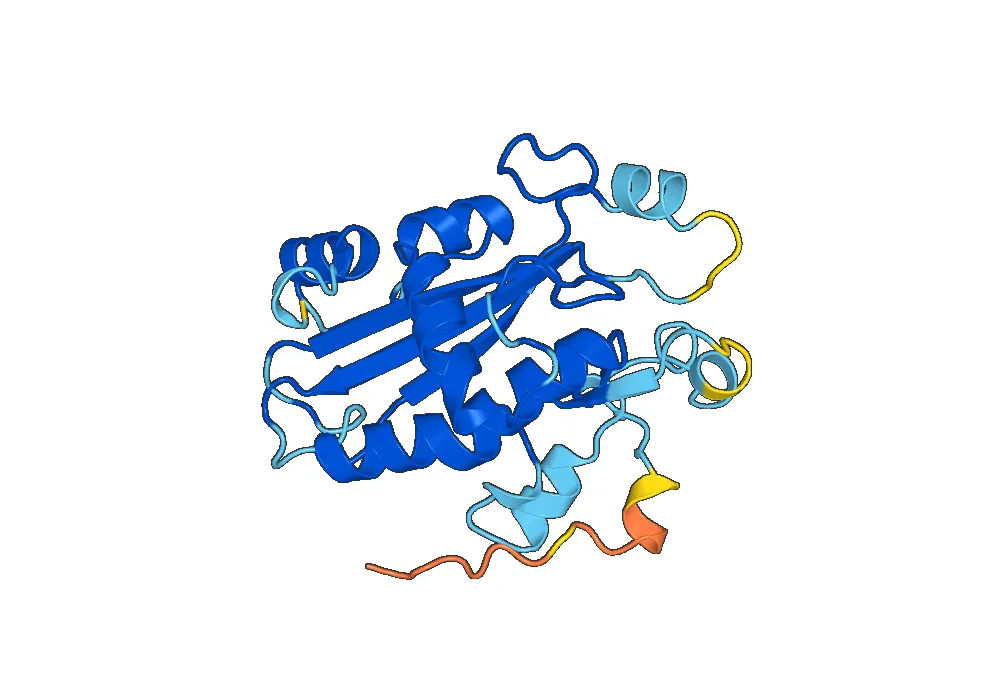
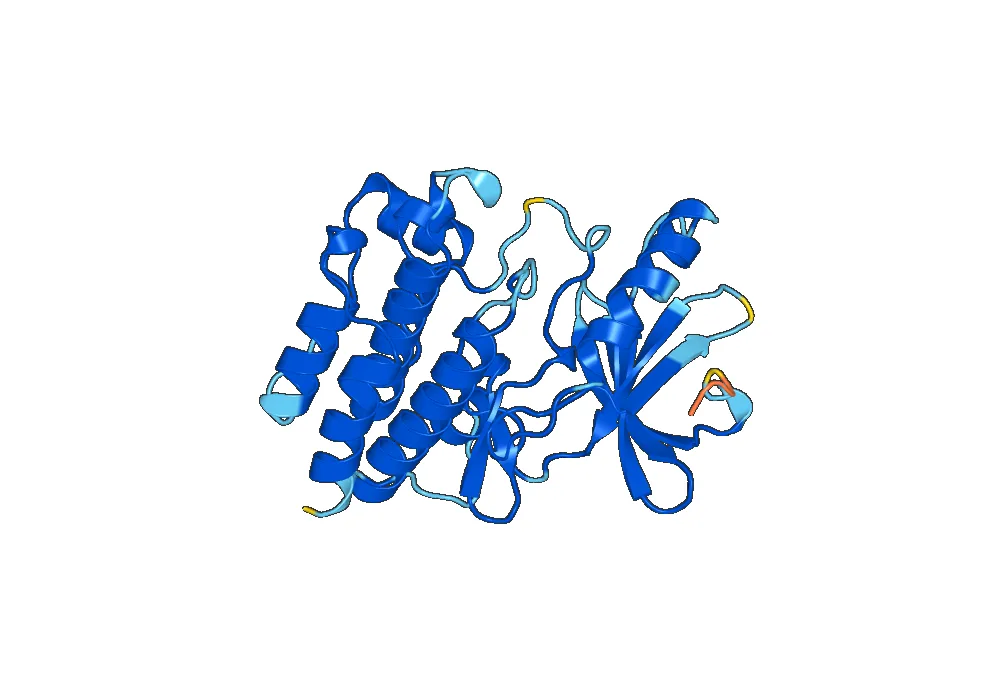
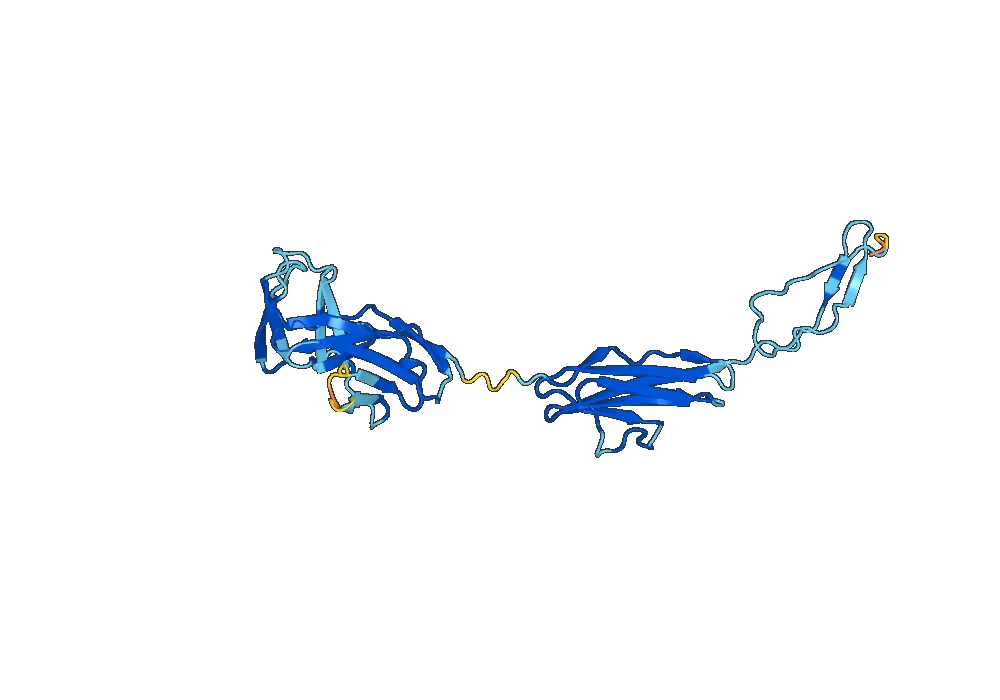
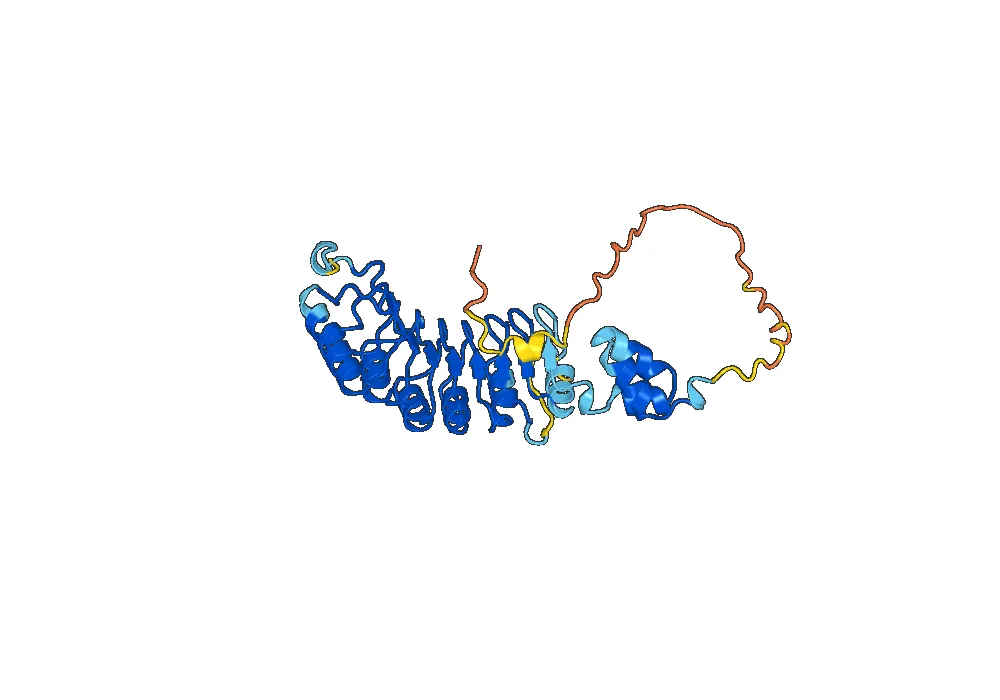
Recombinant Human GFM1 Protein is a 68 kDa protein that is composed of 617 amino acids. It is a member of the translation elongation factor G (EF-G) family and contains three domains: the N-terminal domain, the G domain, and the C-terminal domain. The N-terminal domain is responsible for binding to the ribosome, while the G domain is involved in the hydrolysis of GTP, which is necessary for protein elongation. The C-terminal domain is involved in the interaction with other proteins involved in protein synthesis.
Activity of Recombinant Human GFM1 Protein
Recombinant Human GFM1 Protein plays a crucial role in protein synthesis in the mitochondria. It is involved in the elongation phase, where it facilitates the addition of amino acids to the growing protein chain. This process is essential for the proper functioning of the mitochondria, as it ensures the production of functional proteins that are necessary for cellular respiration and energy production.
The activity of Recombinant Human GFM1 Protein is dependent on the hydrolysis of GTP. When GFM1 binds to the ribosome, it undergoes a conformational change that allows it to hydrolyze GTP. This hydrolysis provides the energy needed for the protein to move along the ribosome and add amino acids to the growing protein chain.
Applications of Recombinant Human GFM1 Protein
Recombinant Human GFM1 Protein has various applications in the field of molecular biology and medicine. Some of the key applications include:
1. Research tool
Recombinant Human GFM1 Protein is widely used as a research tool to study the mechanisms of mitochondrial protein synthesis. Its ability to bind to the ribosome and hydrolyze GTP makes it a valuable tool for studying the elongation phase of protein synthesis.
2. Antigen for antibody production
Recombinant Human GFM1 Protein can be used as an antigen to produce antibodies that specifically target GFM1. These antibodies can be used in various research and diagnostic applications, such as western blotting, immunohistochemistry, and enzyme-linked immunosorbent assays (ELISA).
3. Potential therapeutic target
Mutations in the GFM1 gene have been linked to various mitochondrial diseases, including mitochondrial encephalopathy, lactic acidosis, and stroke-like episodes (MELAS) syndrome. Recombinant Human GFM1 Protein can be used to study these mutations and potentially develop targeted therapies for these diseases.
4. Protein production
Recombinant Human GFM1 Protein can be produced in large quantities using recombinant DNA technology. This protein can then be used in various industrial applications, such as the production of enzymes and other proteins that are essential for cellular processes.
Conclusion
Recombinant Human GFM1 Protein is a crucial component of mitochondrial protein synthesis. Its structure, activity, and applications make it a valuable tool for studying protein synthesis and its role in various diseases. With further research, this protein has the potential to be used as a therapeutic target for mitochondrial diseases and play a significant role in the development of new treatments.


There are no reviews yet.