Introduction to Recombinant Human GMFB Protein
Recombinant Human GMFB Protein, also known as Glia Maturation Factor Beta, is a protein that plays a crucial role in the development and function of the central nervous system. It is a small, soluble protein that is encoded by the GMFB gene and is found in both humans and other mammals. This protein has been extensively studied for its structure, activity, and potential applications in various fields of science and medicine.
Structure of Recombinant Human GMFB Protein
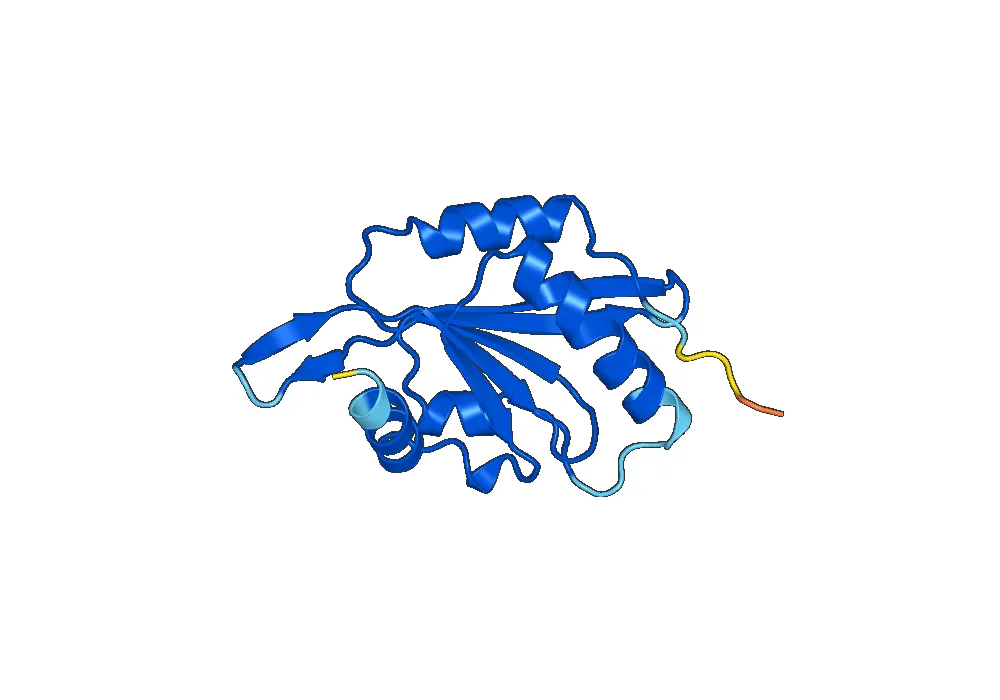
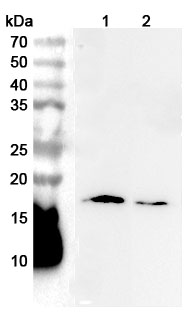
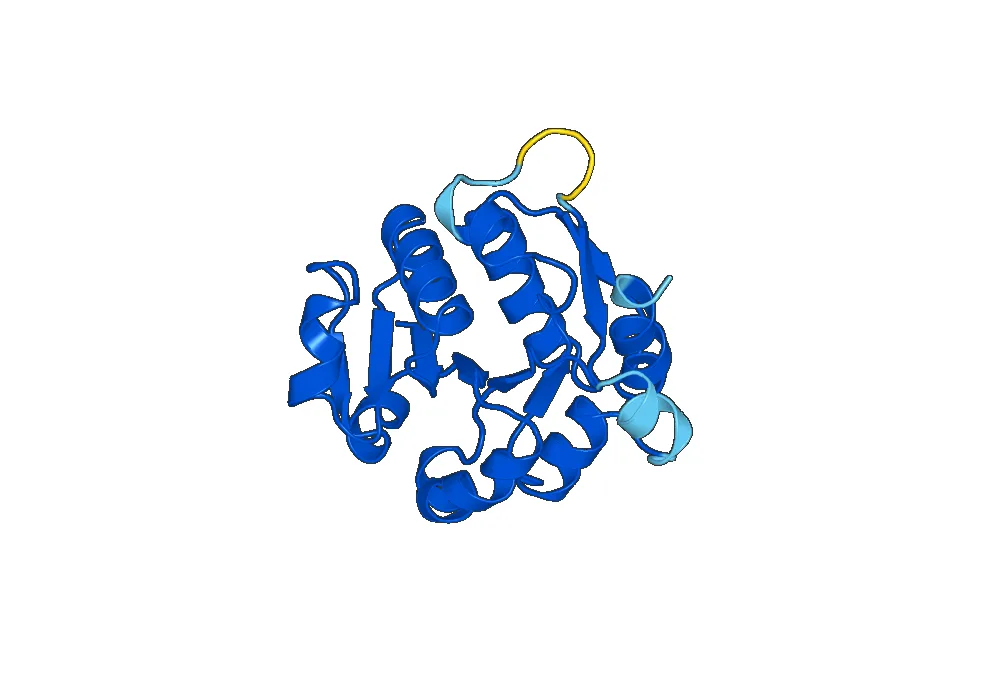
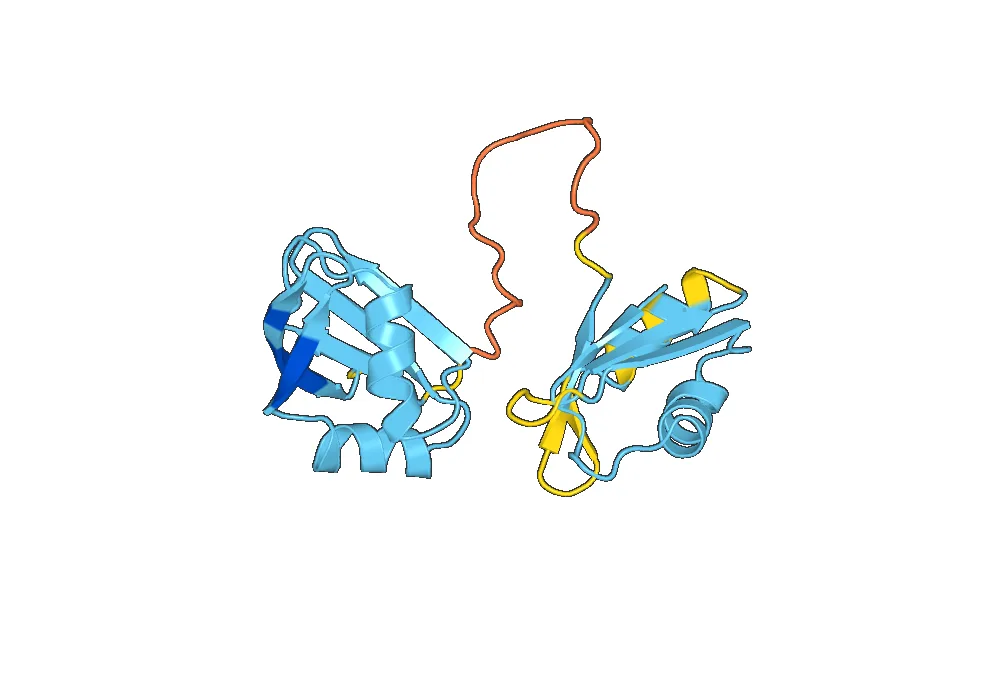
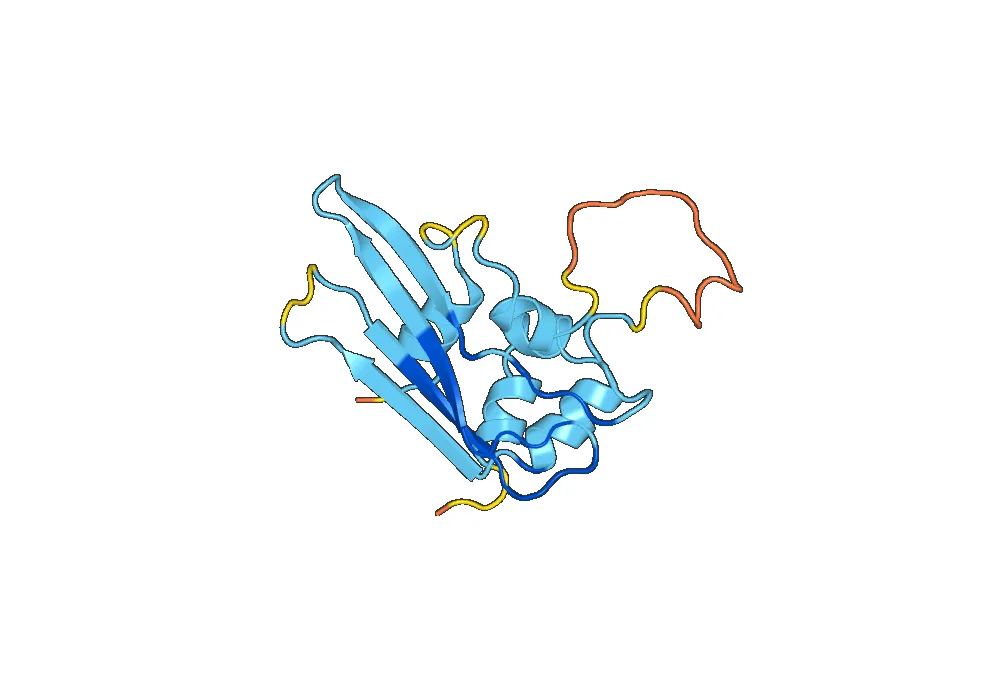
Recombinant Human GMFB Protein is composed of 141 amino acids and has a molecular weight of approximately 16 kDa. It is a homodimer, meaning that it is made up of two identical subunits, each containing 70 amino acids. The protein has a compact, globular structure with a highly conserved core region and a flexible N-terminal region. The three-dimensional structure of GMFB has been determined using X-ray crystallography, revealing a beta-barrel fold with a hydrophobic core.
Activity of Recombinant Human GMFB Protein
Recombinant Human GMFB Protein is primarily expressed in the brain and has been shown to have various functions in the central nervous system. One of its main activities is promoting the maturation and differentiation of glial cells, which are non-neuronal cells that provide support and protection to neurons. GMFB also plays a role in regulating the production of cytokines, small signaling molecules that are involved in immune responses and inflammation. Additionally, GMFB has been linked to neuroprotective effects and has been shown to enhance the survival of neurons under stressful conditions.
Application of Recombinant Human GMFB Protein
Due to its important role in the central nervous system, Recombinant Human GMFB Protein has been studied for its potential applications in various fields of science and medicine. Here are some of the key areas where this protein has shown promise:
Neurodegenerative Diseases
Given its neuroprotective effects, GMFB has been investigated as a potential therapeutic target for neurodegenerative diseases such as Alzheimer’s, Parkinson’s, and Huntington’s disease. Studies have shown that GMFB can protect neurons from damage and improve their survival, making it a potential candidate for future treatments.
Inflammation and Autoimmune Disorders
GMFB has been found to regulate the production of cytokines, which are involved in the body’s immune response. This makes it a potential target for treating inflammatory and autoimmune disorders such as multiple sclerosis and rheumatoid arthritis. Research has shown that GMFB can suppress the production of pro-inflammatory cytokines, making it a promising candidate for future therapies.
Cancer
Recombinant Human GMFB Protein has also been studied for its potential anti-cancer properties. It has been found to inhibit the growth and proliferation of cancer cells in various types of cancer, including breast, lung, and colon cancer. Further research is needed to fully understand the mechanisms behind this activity and to explore its potential as a cancer treatment.
Diagnostic Tool
GMFB has been identified as a potential biomarker for certain neurological disorders, making it a potential diagnostic tool. Studies have shown that levels of GMFB in cerebrospinal fluid can be used to differentiate between patients with Alzheimer’s disease and healthy individuals. This could aid in early detection and treatment of the disease.
Recombinant Protein Production
Recombinant Human GMFB Protein is produced using genetic engineering techniques, making it a valuable tool in the production of other recombinant proteins. Its small size and solubility make it an ideal fusion partner for other proteins, aiding in their purification and stability.
Conclusion
Recombinant Human GMFB Protein is a small, soluble protein that plays an important role in the central nervous system. Its structure and activity have been extensively studied, and it has shown potential applications in various fields of science and medicine, including neurode


There are no reviews yet.