Introduction
Recombinant Human HYAL2 Protein, also known as Hyaluronidase 2, is a glycosylated enzyme that is encoded by the HYAL2 gene. It belongs to the hyaluronidase family and plays a crucial role in the breakdown of hyaluronic acid, a major component of the extracellular matrix. This protein has been extensively studied due to its potential therapeutic applications and its role in various biological processes.
Structure of Recombinant Human HYAL2 Protein
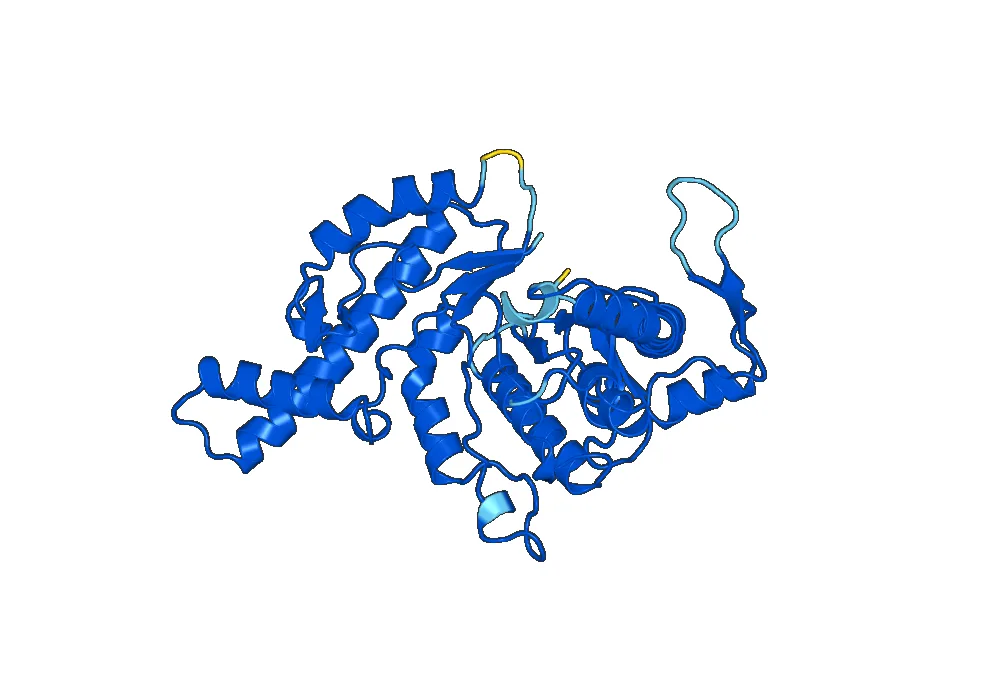
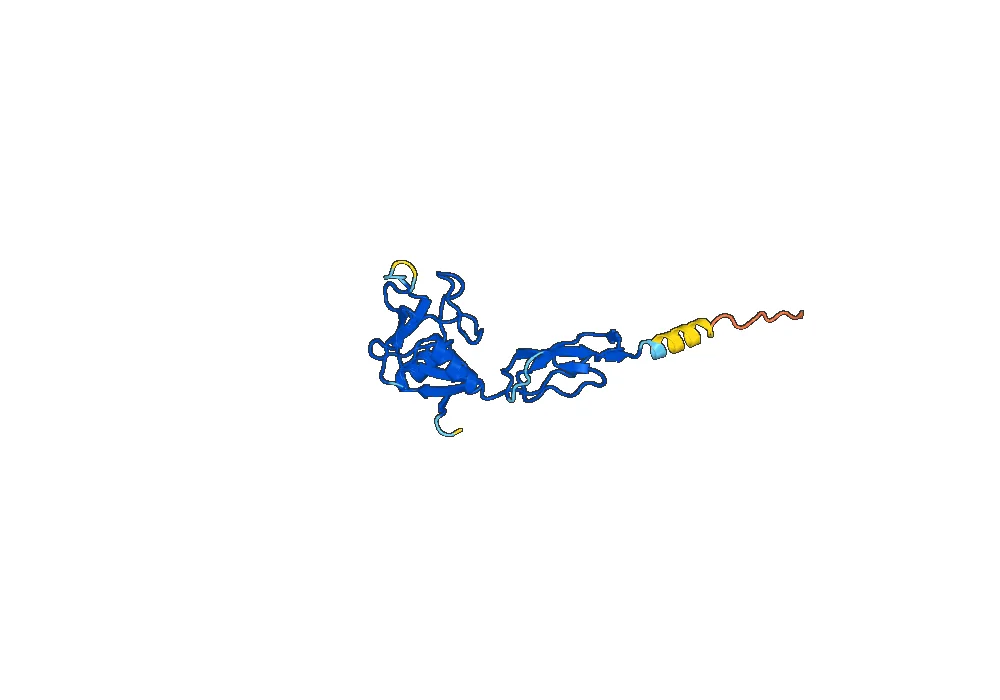
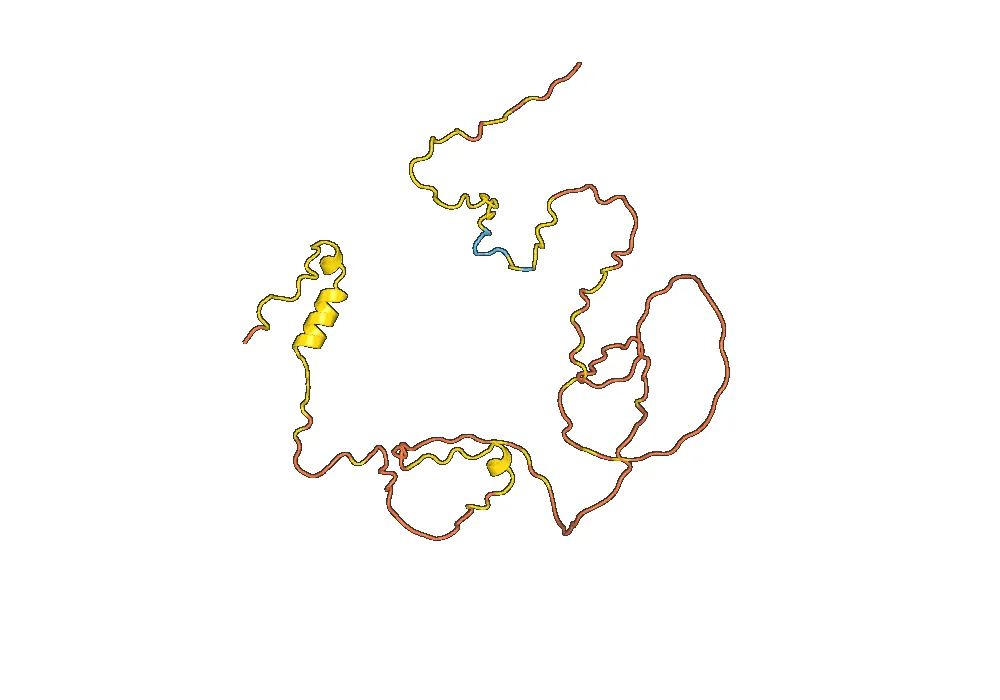
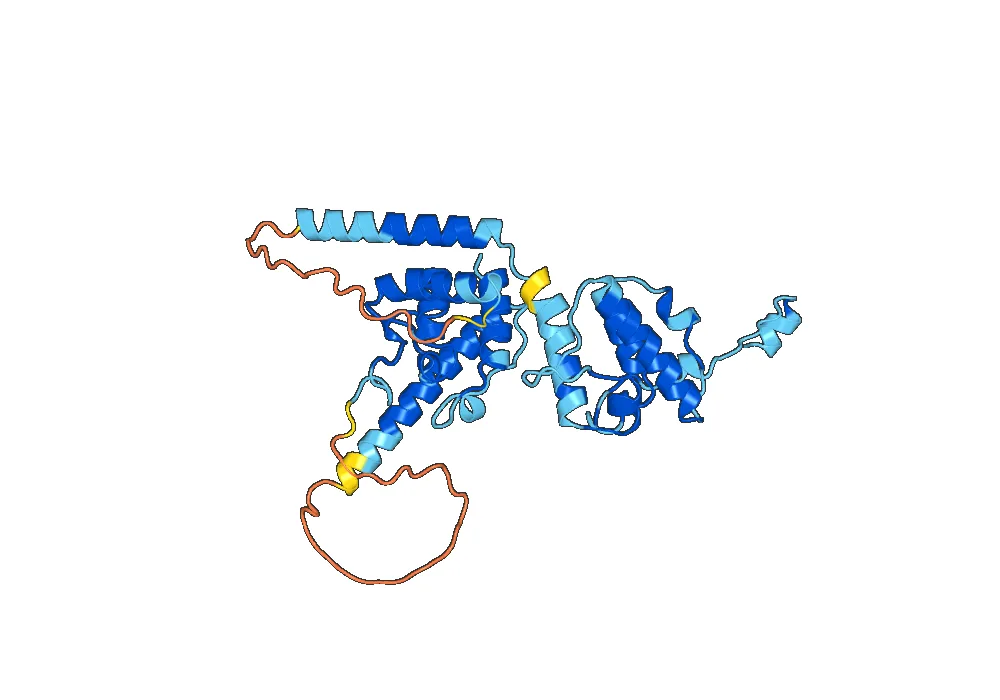
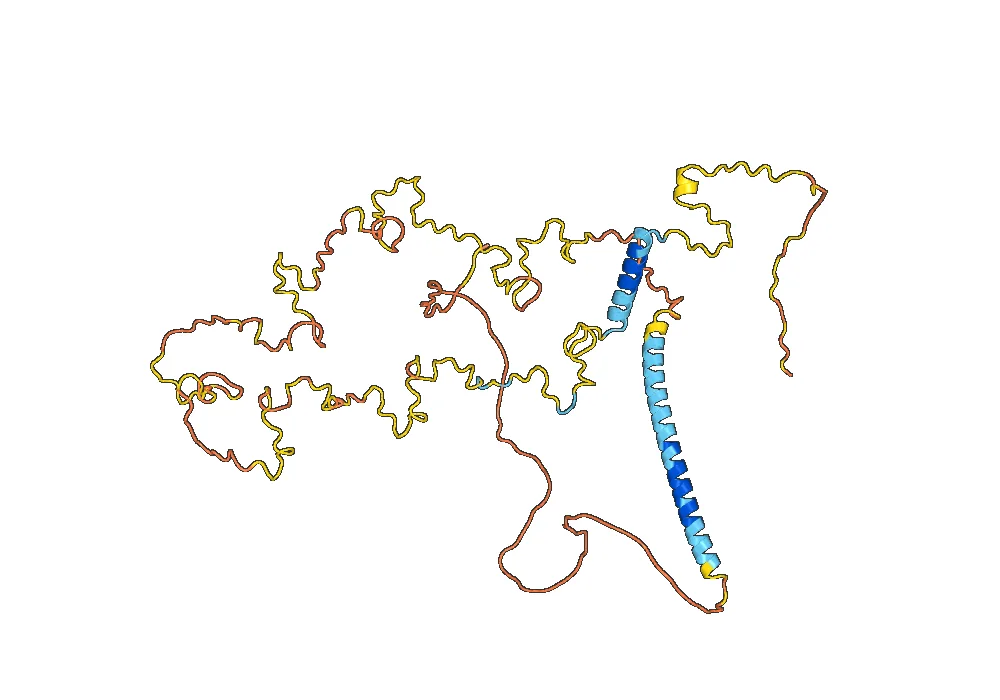
Recombinant Human HYAL2 Protein is a 45 kDa protein that consists of 421 amino acids. It has a single N-linked glycosylation site at Asn-40 and a conserved catalytic domain at the C-terminus. The protein also contains a signal peptide at the N-terminus, which is responsible for its secretion. The crystal structure of this protein has been determined, revealing a beta-sandwich fold with a central beta-sheet surrounded by alpha-helices.
Activity of Recombinant Human HYAL2 Protein
Recombinant Human HYAL2 Protein is a hyaluronidase enzyme that catalyzes the hydrolysis of hyaluronic acid, a large glycosaminoglycan present in the extracellular matrix. This activity is essential for the maintenance of tissue homeostasis and is involved in various biological processes such as cell migration, proliferation, and differentiation. HYAL2 has been shown to have a higher specificity towards high molecular weight hyaluronic acid compared to other hyaluronidases.
In addition to its hyaluronidase activity, Recombinant Human HYAL2 Protein also has a role in the regulation of growth factor signaling. It has been shown to interact with various growth factors, such as epidermal growth factor (EGF) and transforming growth factor-beta (TGF-β), and modulate their signaling pathways. This suggests that HYAL2 may have a broader role in cell signaling and tissue development.
Applications of Recombinant Human HYAL2 Protein
Recombinant Human HYAL2 Protein has various potential applications in both research and therapeutic settings. Its hyaluronidase activity makes it a valuable tool for studying the role of hyaluronic acid in various biological processes. It can be used to degrade hyaluronic acid in cell culture experiments, allowing researchers to investigate its effects on cell behavior.
In the field of regenerative medicine, HYAL2 has been studied for its potential to enhance the delivery of therapeutic molecules. By degrading the extracellular matrix, HYAL2 can increase the permeability of tissues and improve the diffusion of therapeutic agents. This has been demonstrated in studies using HYAL2 to enhance the delivery of chemotherapeutic drugs and gene therapies.
Moreover, Recombinant Human HYAL2 Protein has shown promise as a potential therapeutic agent itself. It has been investigated for its potential to treat various diseases, such as cancer, osteoarthritis, and skin disorders. In cancer therapy, HYAL2 has been used to improve the efficacy of chemotherapy drugs by increasing their penetration into tumors. In osteoarthritis, HYAL2 has been shown to reduce joint inflammation and pain by degrading excess hyaluronic acid in the affected joints. In skin disorders, HYAL2 has been studied for its ability to improve wound healing and reduce scarring.
Conclusion
Recombinant Human HYAL2 Protein is a versatile enzyme with various potential applications in research and therapeutics. Its structure and activity have been extensively studied, and its role in hyaluronic acid breakdown and growth factor signaling has been well-established. With its potential to enhance the delivery of therapeutic agents and its therapeutic applications in various diseases, HYAL2 is a promising protein for future research and development.


There are no reviews yet.