Introduction to Recombinant Human RXRA Protein
Recombinant Human RXRA Protein, also known as Retinoid X Receptor Alpha, is a protein that plays a crucial role in regulating gene expression and cellular functions. It belongs to the nuclear receptor superfamily and acts as a transcription factor, binding to specific DNA sequences and controlling the expression of target genes.
Structure of Recombinant Human RXRA Protein
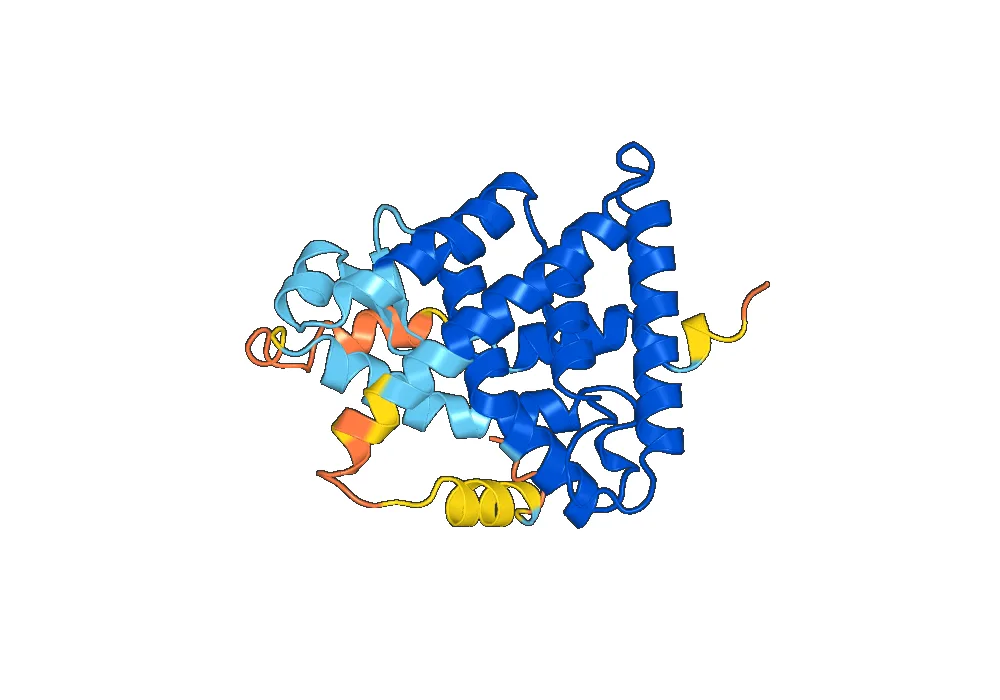
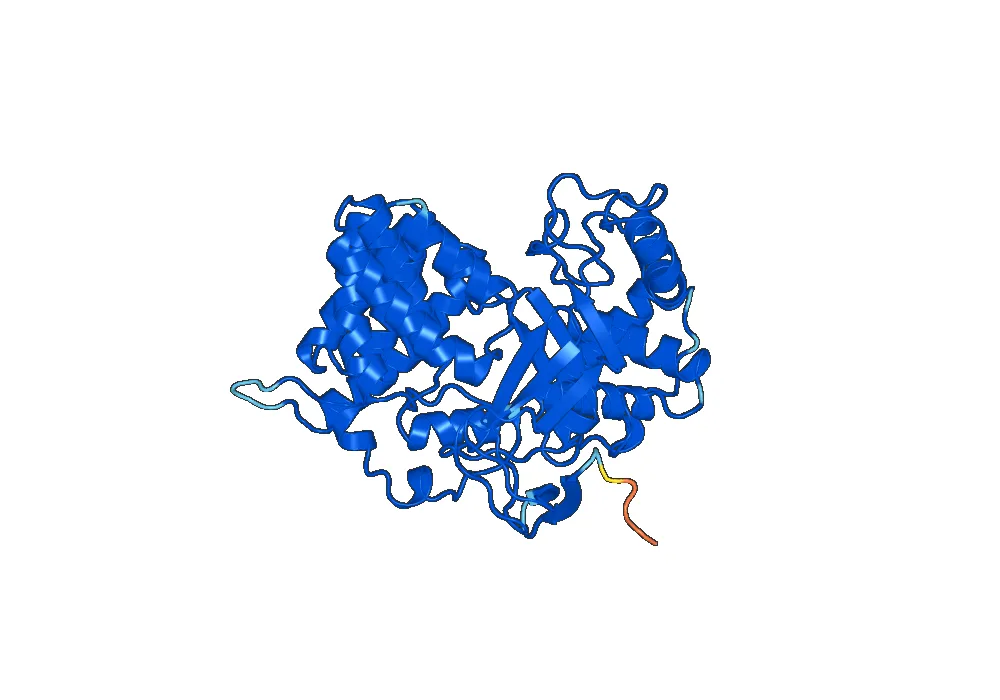
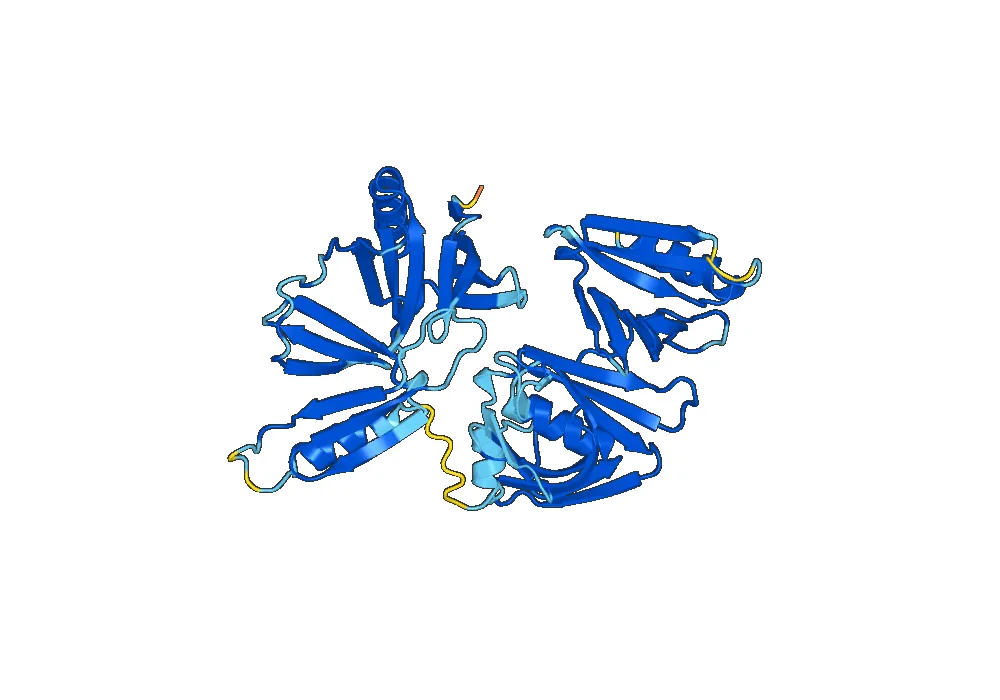
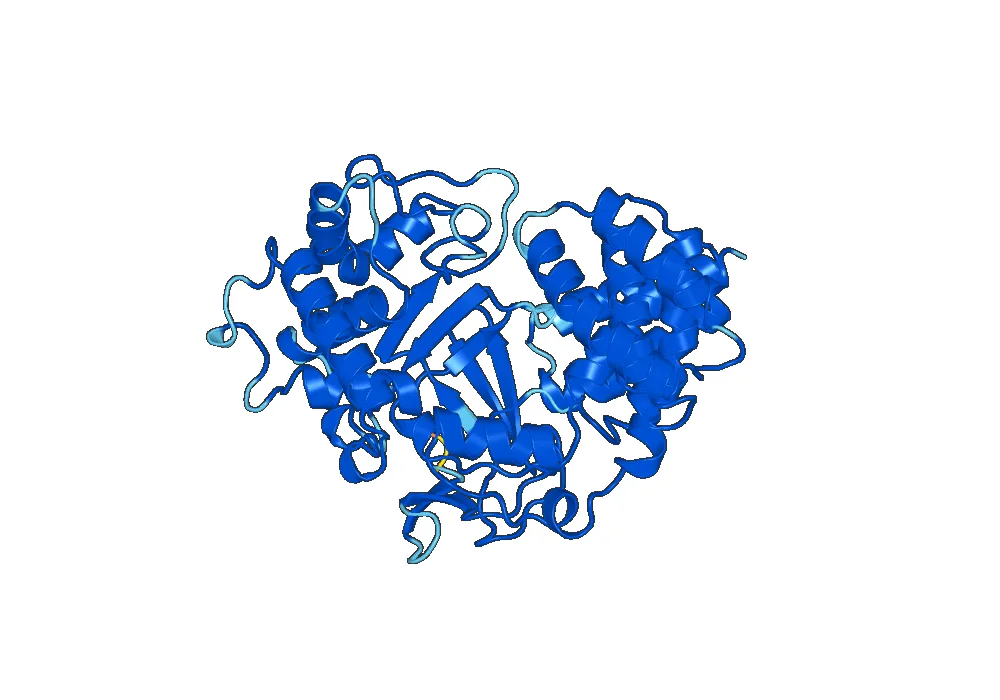
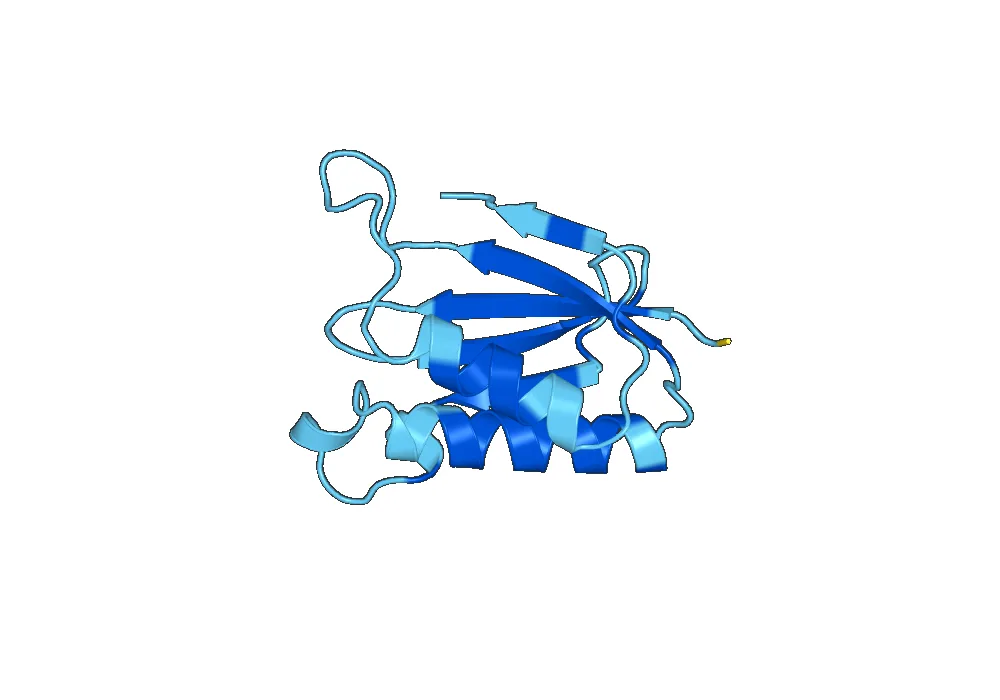
The Recombinant Human RXRA Protein is a 462 amino acid long protein with a molecular weight of approximately 52 kDa. It consists of a DNA-binding domain, a ligand-binding domain, and a hinge region that connects the two domains. The DNA-binding domain contains two zinc fingers that allow the protein to bind to specific DNA sequences, while the ligand-binding domain is responsible for binding to small molecules, such as retinoids, which regulate the activity of the protein.
The structure of Recombinant Human RXRA Protein is highly conserved among different species, indicating its importance in cellular functions. It shares a high degree of sequence similarity with other members of the nuclear receptor superfamily, such as RXRB and RXRG.
Activity of Recombinant Human RXRA Protein
Recombinant Human RXRA Protein plays a critical role in various cellular processes, including embryonic development, metabolism, and immune response. It acts as a heterodimer with other nuclear receptors, such as Retinoic Acid Receptor (RAR) and Vitamin D Receptor (VDR), to regulate gene expression. The heterodimers bind to specific DNA sequences, called response elements, and activate or repress the transcription of target genes.
One of the key functions of Recombinant Human RXRA Protein is its involvement in the retinoid signaling pathway. Retinoids, such as Vitamin A and its derivatives, bind to the ligand-binding domain of the protein and induce a conformational change, leading to the activation of the protein. This activated form of RXRA then binds to RAR to form a heterodimer, which regulates the expression of genes involved in cell growth, differentiation, and apoptosis.
Moreover, Recombinant Human RXRA Protein is also involved in metabolic processes, particularly lipid metabolism. It regulates the expression of genes involved in lipid uptake, synthesis, and storage, making it a potential target for the treatment of metabolic disorders, such as obesity and dyslipidemia.
Applications of Recombinant Human RXRA Protein
Recombinant Human RXRA Protein has various applications in both research and therapeutic fields. Its role in regulating gene expression makes it a valuable tool for studying the molecular mechanisms of various diseases. For instance, dysregulation of RXRA expression has been linked to various cancers, including breast, colon, and prostate cancer. Recombinant Human RXRA Protein can be used to study the signaling pathways involved in these cancers and develop potential therapies targeting the protein.
In the therapeutic field, Recombinant Human RXRA Protein holds promise as a potential drug target for various diseases. Its involvement in metabolic processes makes it a potential target for the treatment of obesity, diabetes, and other metabolic disorders. Additionally, its role in immune response makes it a potential target for the treatment of autoimmune diseases, such as rheumatoid arthritis and multiple sclerosis.
Conclusion
Recombinant Human RXRA Protein is a crucial protein involved in regulating gene expression and cellular functions. Its structure, activity, and applications make it a valuable tool for studying various diseases and developing potential therapies. With ongoing research, this protein has the potential to make significant contributions to the fields of medicine and biology.

There are no reviews yet.