Introduction
Recombinant Human UBE2L3, also known as Ubiquitin-conjugating enzyme E2 L3, is a recombinant protein that plays a crucial role in the ubiquitin-proteasome pathway. This pathway is responsible for the degradation of damaged or unwanted proteins in the cell, making UBE2L3 an important player in cellular homeostasis and regulation.
Structure of Recombinant Human UBE2L3
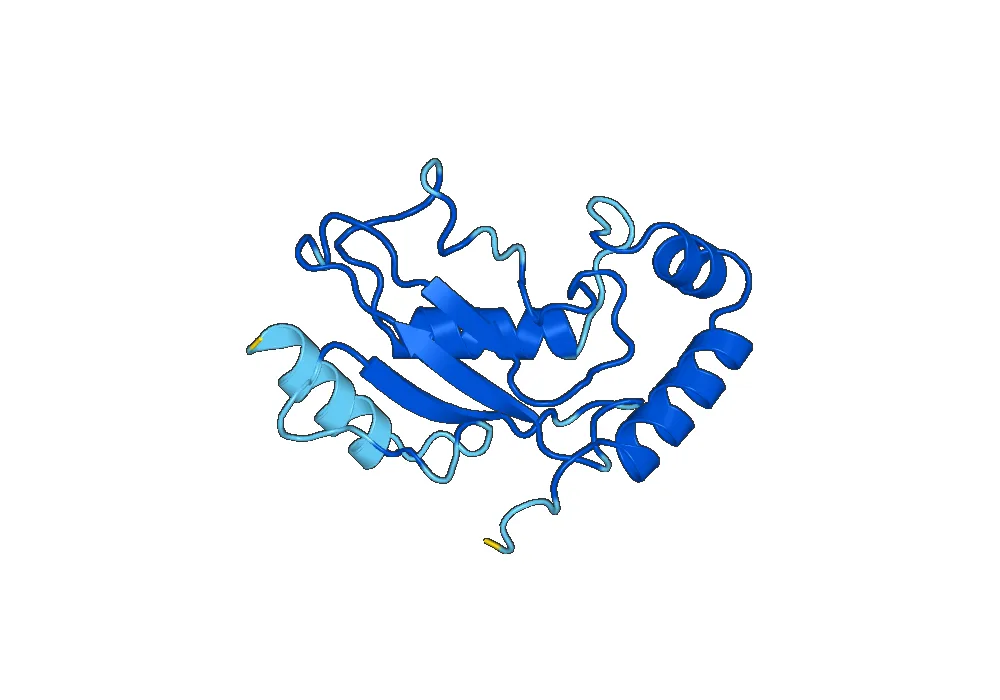
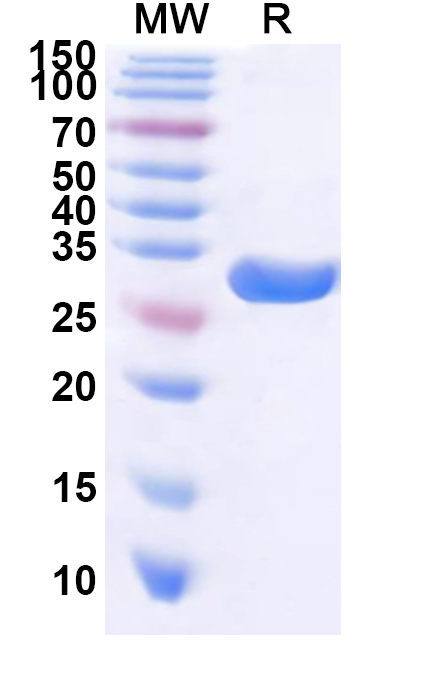
UBE2L3 is a member of the E2 family of ubiquitin-conjugating enzymes, which are responsible for transferring ubiquitin molecules to target proteins. It is composed of 148 amino acids and has a molecular weight of approximately 17 kDa. The protein has a conserved catalytic core domain, which is essential for its enzymatic activity. UBE2L3 also contains a C-terminal extension that is involved in protein-protein interactions, allowing it to interact with other proteins in the ubiquitin-proteasome pathway.
Enzymatic Activity of Recombinant Human UBE2L3
The main function of UBE2L3 is to catalyze the transfer of ubiquitin from an E1 ubiquitin-activating enzyme to a target protein. This process, known as ubiquitination, marks the target protein for degradation by the proteasome. UBE2L3 specifically interacts with an E3 ubiquitin ligase, which helps to recognize and bind to the target protein, allowing for efficient ubiquitination. UBE2L3 has been shown to have a high affinity for its target proteins, making it a key player in the ubiquitin-proteasome pathway.
Applications of Recombinant Human UBE2L3
Due to its crucial role in the ubiquitin-proteasome pathway, UBE2L3 has a wide range of applications in both research and clinical settings.
Research
Recombinant Human UBE2L3 is commonly used in research studies to investigate the role of the ubiquitin-proteasome pathway in various cellular processes. It can be used to study the degradation of specific target proteins and the effects of their ubiquitination on cellular function. UBE2L3 can also be used to explore the mechanisms of protein-protein interactions within the ubiquitin-proteasome pathway.
Clinical Applications
Defects in the ubiquitin-proteasome pathway have been linked to various diseases, including cancer and neurodegenerative disorders. Recombinant Human UBE2L3 can be used in clinical research to better understand the role of this pathway in disease development and to potentially develop new treatments. Additionally, UBE2L3 has been identified as a potential therapeutic target for certain types of cancer, making it a promising candidate for drug development.
Antigen Production
Recombinant Human UBE2L3 can also be used for antigen production, as it can elicit an immune response in the body. This is particularly useful in the development of vaccines or in diagnostic tests for diseases that involve the ubiquitin-proteasome pathway. By using UBE2L3 as an antigen, researchers can identify and target specific antibodies that may be involved in disease progression.
Conclusion
In summary, Recombinant Human UBE2L3 is a crucial protein in the ubiquitin-proteasome pathway, playing a key role in the degradation of unwanted or damaged proteins. Its structure, enzymatic activity, and wide range of applications make it a valuable tool in both research and clinical settings. As our understanding of the ubiquitin-proteasome pathway continues to grow, the importance of UBE2L3 in cellular function and disease development will only become more apparent.


There are no reviews yet.