Introduction
Recombinant Human USP1 Protein, also known as Ubiquitin-Specific Protease 1, is a highly conserved protein that plays a crucial role in maintaining genome stability and DNA repair processes. This protein is encoded by the USP1 gene and is expressed in various tissues, including the brain, heart, and liver.
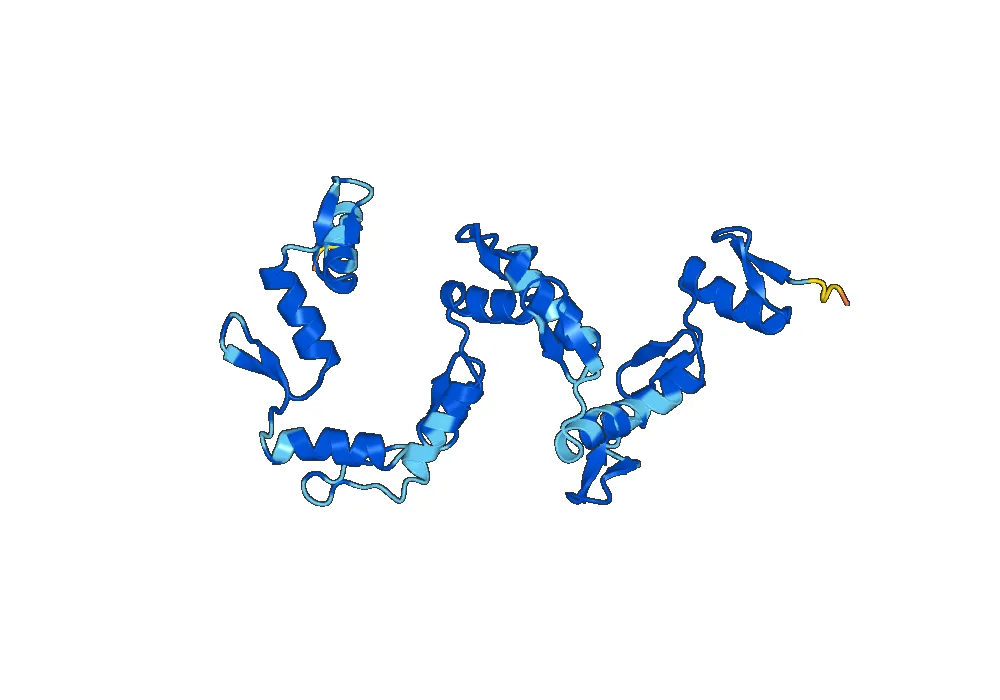
Structure of Recombinant Human USP1 Protein
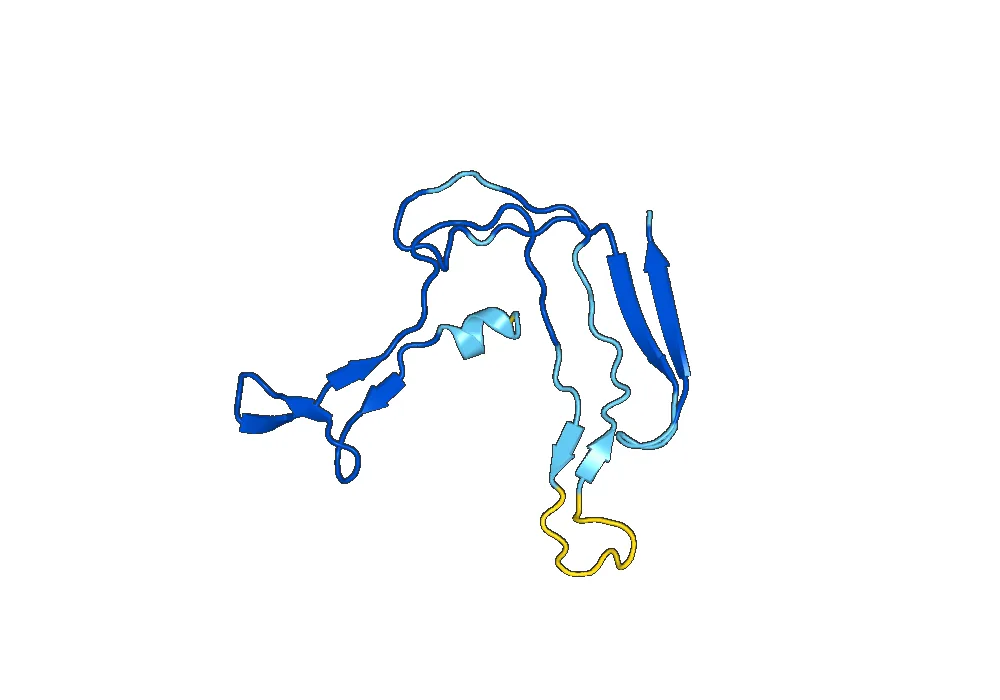
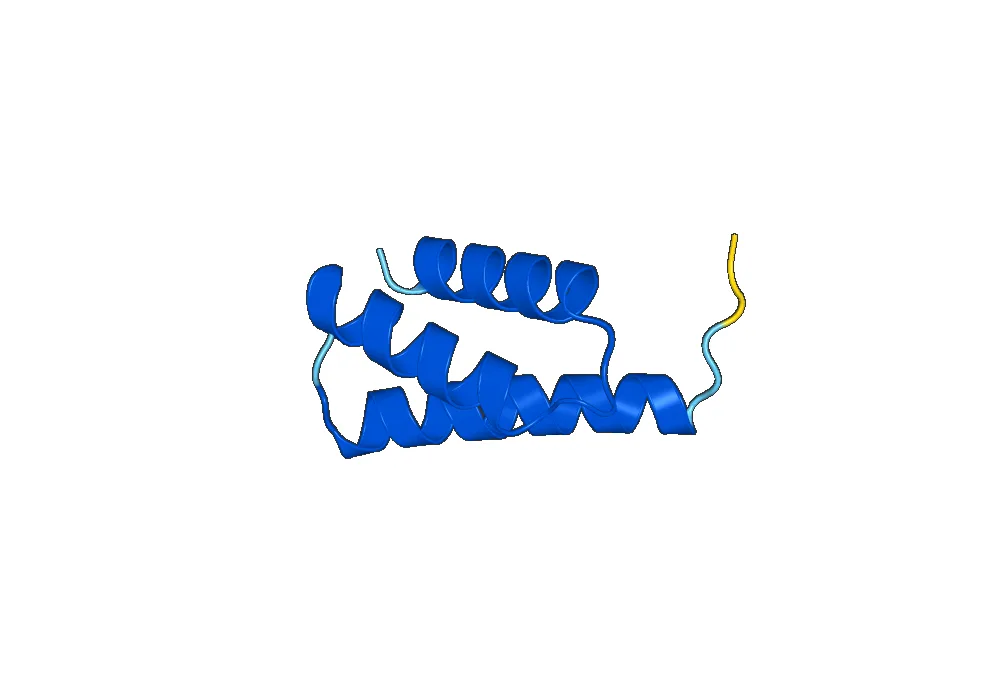
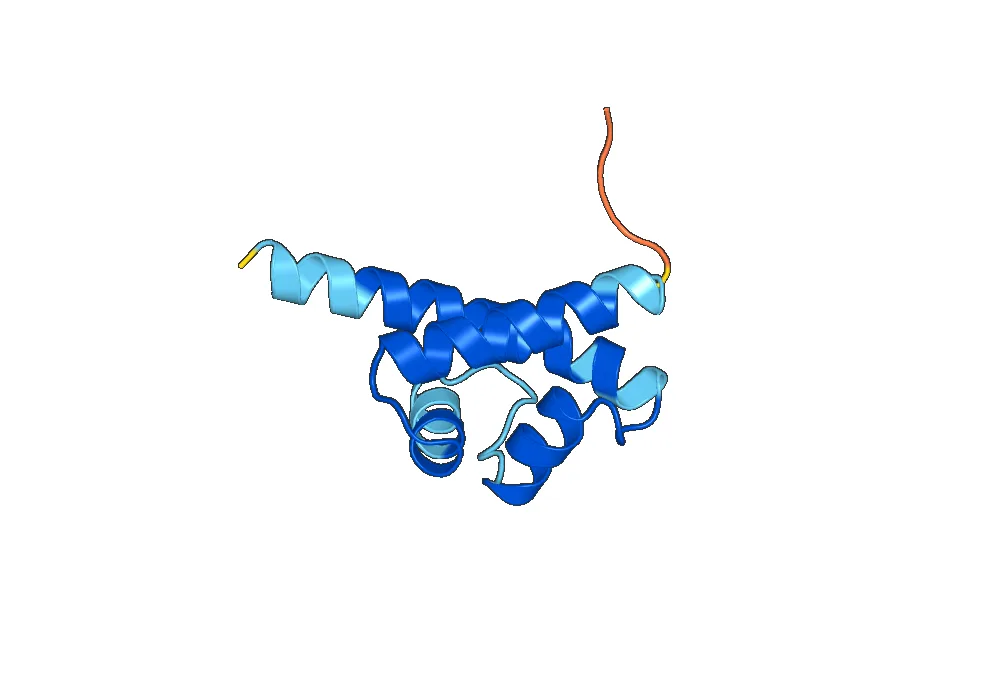
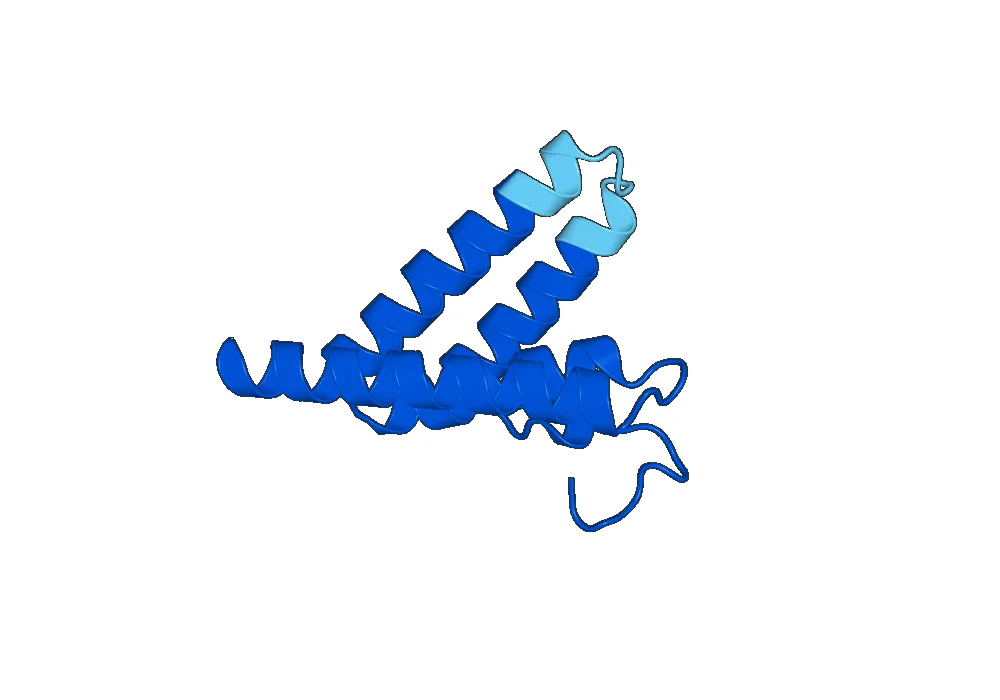
The USP1 protein consists of 804 amino acids and has a molecular weight of approximately 90 kDa. It contains a catalytic domain, a C-terminal domain, and a N-terminal domain. The catalytic domain is responsible for the deubiquitinating activity of USP1, while the C-terminal and N-terminal domains are involved in protein-protein interactions.
Activity of Recombinant Human USP1 Protein
Recombinant Human USP1 Protein is a deubiquitinase, meaning it has the ability to remove ubiquitin molecules from target proteins. Ubiquitin is a small protein that is covalently attached to other proteins in a process called ubiquitination. This modification plays a critical role in regulating protein stability, localization, and function. By removing ubiquitin molecules, USP1 can modulate the activity and function of its target proteins.
USP1 is known to interact with several important proteins involved in DNA damage response and repair, such as FANCD2, PCNA, and RAD51. It has been shown to play a key role in the DNA damage response pathway known as the Fanconi anemia (FA) pathway. This pathway is responsible for repairing DNA interstrand crosslinks, which are highly toxic lesions that can lead to genomic instability and cancer if left unrepaired.
Application of Recombinant Human USP1 Protein
The unique structure and activity of Recombinant Human USP1 Protein make it a valuable tool for various research applications. One of the main applications of this protein is in the study of DNA repair processes and the FA pathway. By using recombinant USP1 protein, researchers can investigate the role of this protein in DNA repair and its interactions with other proteins involved in this pathway.
Moreover, USP1 has also been identified as a potential therapeutic target for cancer treatment. Dysregulation of USP1 has been linked to various types of cancer, including breast, ovarian, and lung cancer. Inhibiting the activity of USP1 could potentially sensitize cancer cells to DNA-damaging agents, making them more susceptible to treatment.
Conclusion
Recombinant Human USP1 Protein is a crucial player in maintaining genome stability and DNA repair processes. Its unique structure and activity make it a valuable tool for research and a potential target for cancer treatment. By understanding the structure and function of USP1, we can gain insights into the mechanisms of DNA repair and potentially develop new therapies for cancer.
Keywords: Recombinant protein, antigen, USP1, deubiquitinase, DNA repair, Fanconi anemia, cancer treatment



There are no reviews yet.