Introduction to Recombinant Human VASN
Recombinant Human VASN, also known as Vasorin, is a protein that is encoded by the VASN gene in humans. It is a type I transmembrane protein that is expressed in various tissues, including the vascular endothelium, smooth muscle cells, and fibroblasts. VASN has been shown to play a role in regulating vascular development and remodeling, making it a potential target for therapeutic interventions in cardiovascular diseases. In this article, we will discuss the structure, activity, and applications of Recombinant Human VASN.
Structure of Recombinant Human VASN
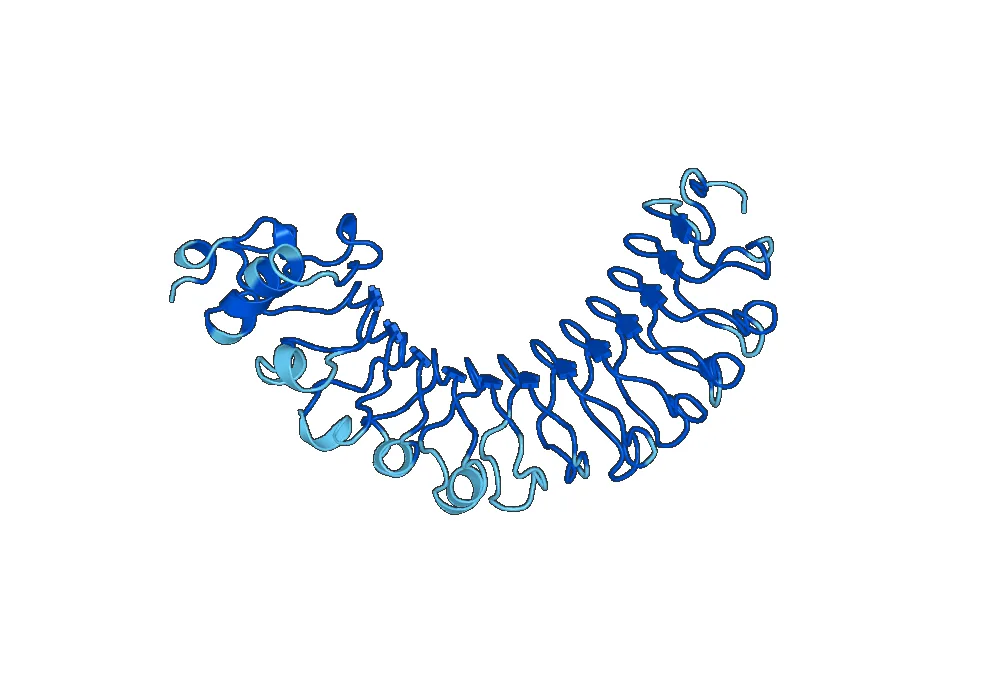
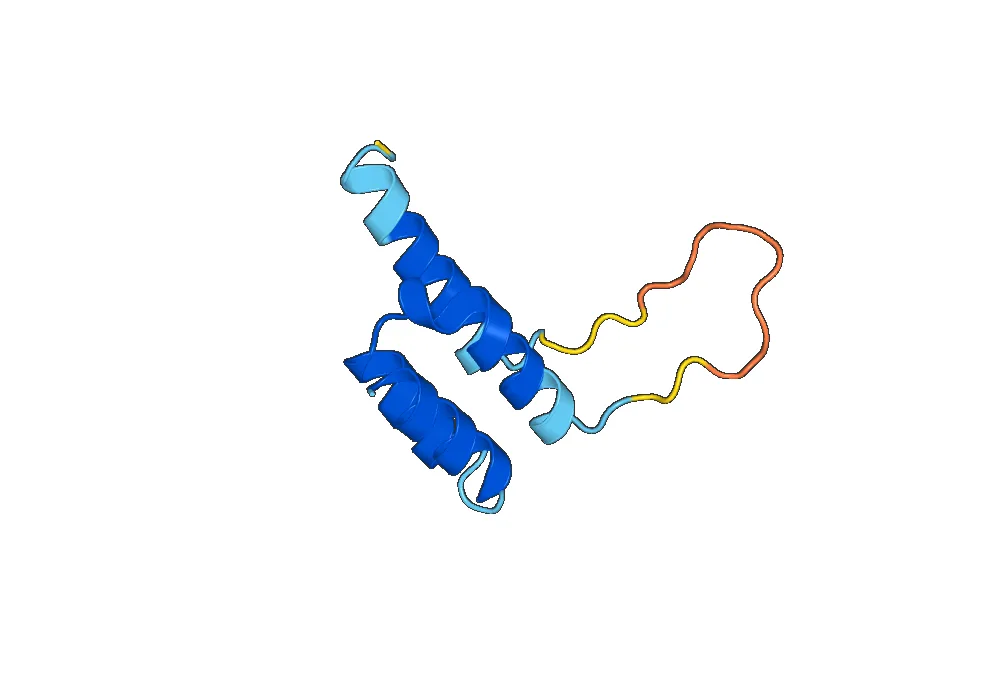
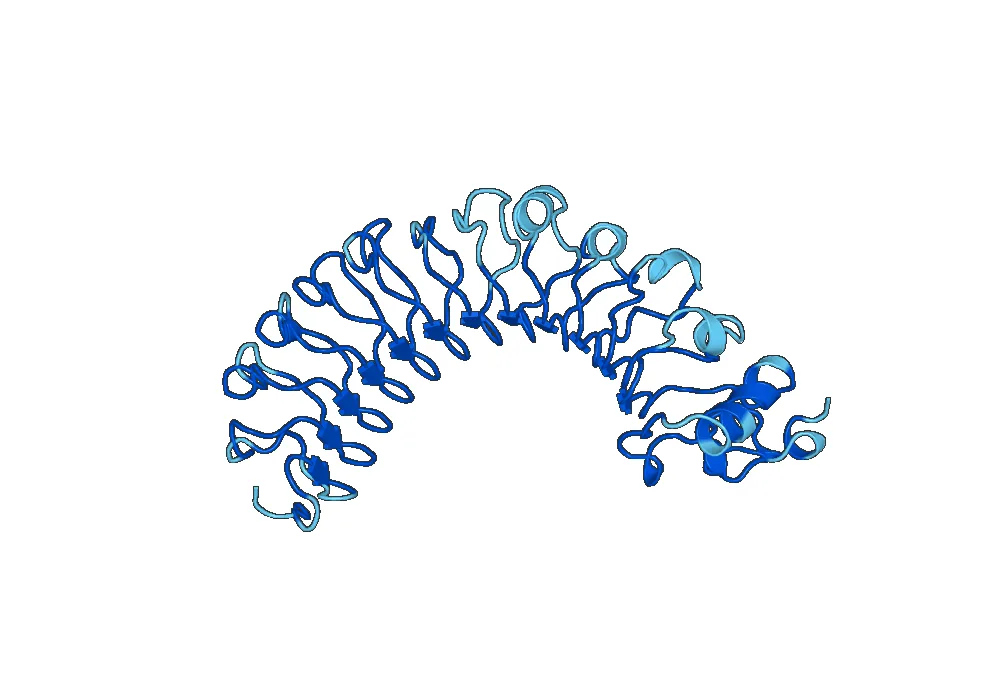
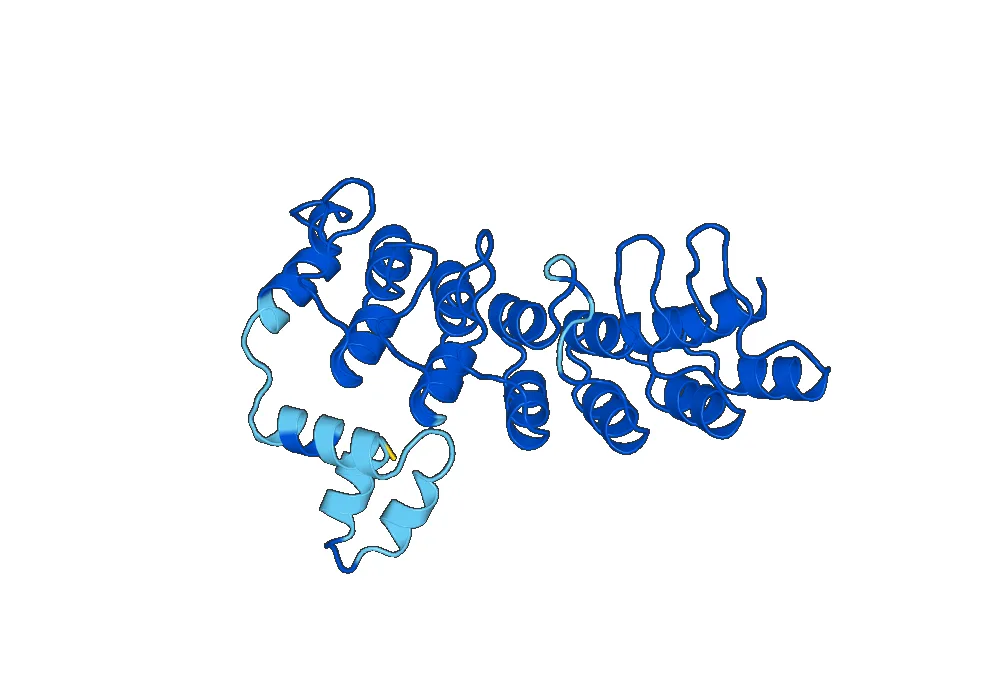
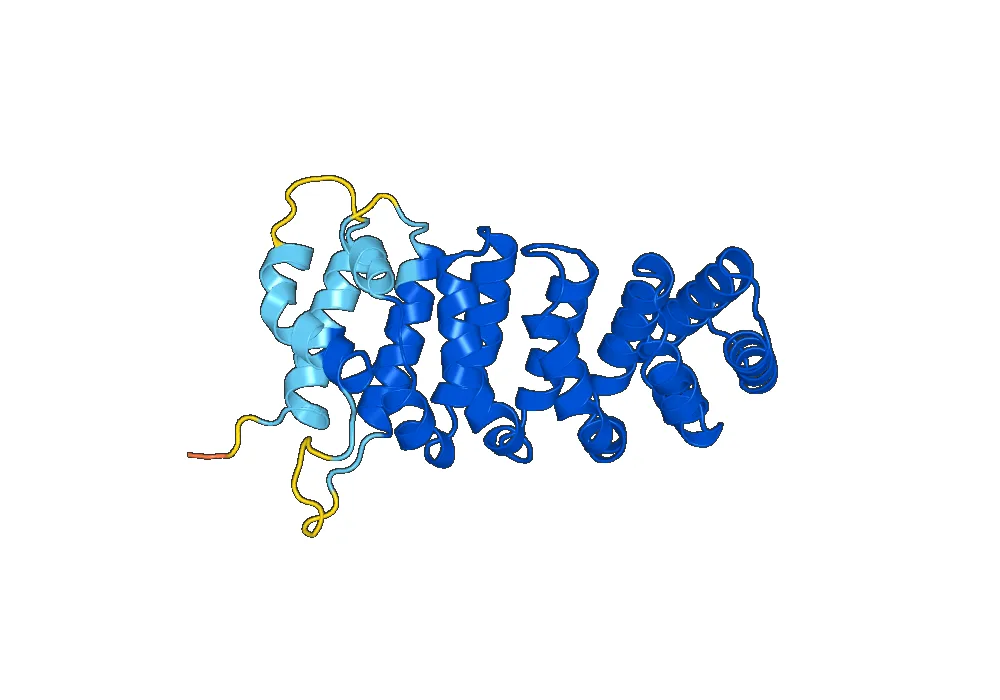
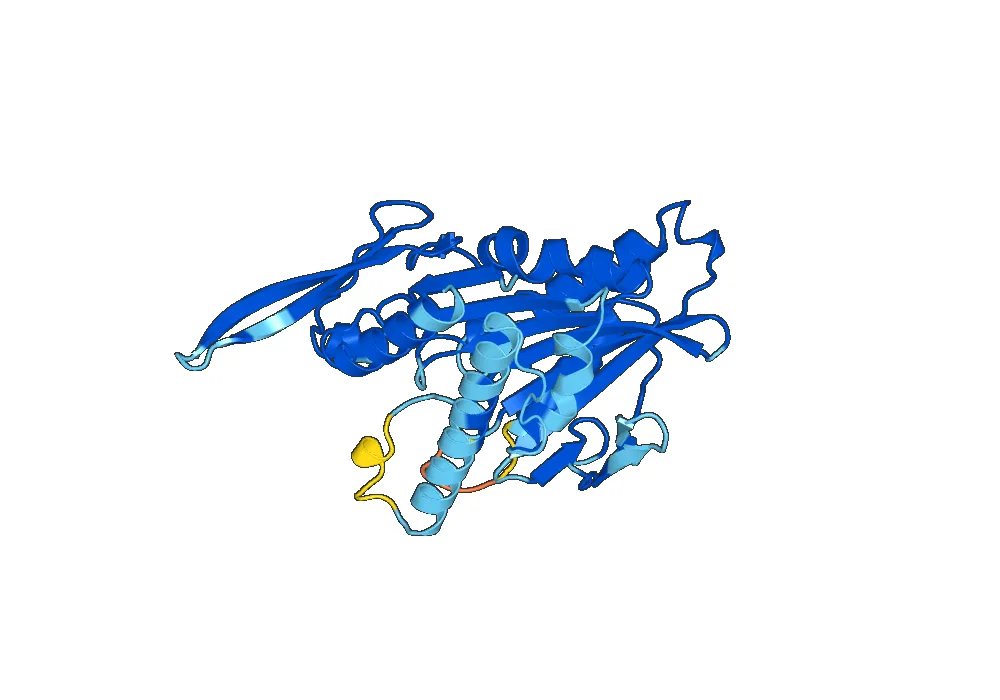
The VASN gene encodes for a 459 amino acid protein, which is then processed into a mature protein of 427 amino acids. The protein consists of an extracellular domain, a transmembrane domain, and a cytoplasmic domain. The extracellular domain contains four epidermal growth factor (EGF)-like repeats, which are important for protein-protein interactions. The transmembrane domain anchors the protein to the cell membrane, while the cytoplasmic domain is responsible for intracellular signaling.
Recombinant Human VASN is produced through genetic engineering techniques, where the VASN gene is inserted into a suitable expression vector and then expressed in a host cell, such as bacteria or mammalian cells. The resulting protein is then purified to remove any impurities, ensuring a highly pure and active product.
Activity of Recombinant Human VASN
VASN has been shown to play a critical role in vascular development and remodeling. It acts as a negative regulator of angiogenesis, the process of forming new blood vessels from pre-existing ones. VASN inhibits the activity of vascular endothelial growth factor (VEGF), a key factor in promoting angiogenesis. This activity makes Recombinant Human VASN a potential therapeutic target for diseases characterized by abnormal angiogenesis, such as cancer and diabetic retinopathy.
In addition to its role in angiogenesis, VASN has also been implicated in regulating vascular smooth muscle cell proliferation and migration. It has been shown to inhibit the activity of platelet-derived growth factor (PDGF), a key factor in promoting smooth muscle cell proliferation. This activity makes Recombinant Human VASN a potential therapeutic target for diseases characterized by abnormal smooth muscle cell proliferation, such as atherosclerosis and restenosis.
Applications of Recombinant Human VASN
Recombinant Human VASN has a wide range of potential applications in both research and therapeutic settings. In research, it can be used as a tool to study the role of VASN in vascular development and remodeling. Its ability to inhibit angiogenesis and smooth muscle cell proliferation can also be utilized in disease models to understand the underlying mechanisms and potential therapeutic interventions.
In the therapeutic setting, Recombinant Human VASN has the potential to be used as a treatment for diseases characterized by abnormal angiogenesis and smooth muscle cell proliferation. It can be administered as a recombinant protein or through gene therapy approaches to regulate the activity of VEGF and PDGF and thereby inhibit angiogenesis and smooth muscle cell proliferation.
Conclusion
Recombinant Human VASN is a promising protein with potential applications in both research and therapeutics. Its structure, activity, and potential applications make it an attractive target for further studies and development of novel treatments for cardiovascular diseases and other conditions characterized by abnormal vascular development and remodeling.
As more research is conducted on VASN and its role in various diseases, the potential for Recombinant Human VASN to become a valuable tool and treatment option will continue to grow. Its unique ability to regulate angiogenesis and smooth muscle cell proliferation makes it a promising candidate for future therapeutic interventions.
There are no reviews yet.