Introduction
Sipavibart Biosimilar is a novel monoclonal antibody (mAb) targeting the spike glycoprotein of the SARS-CoV-2 virus, which is responsible for the COVID-19 pandemic. This research grade antibody has shown promising results in pre-clinical studies and has the potential to be a valuable therapeutic option in the fight against COVID-19. In this article, we will delve into the structure, activity, and potential applications of Sipavibart Biosimilar.
Structure of Sipavibart Biosimilar
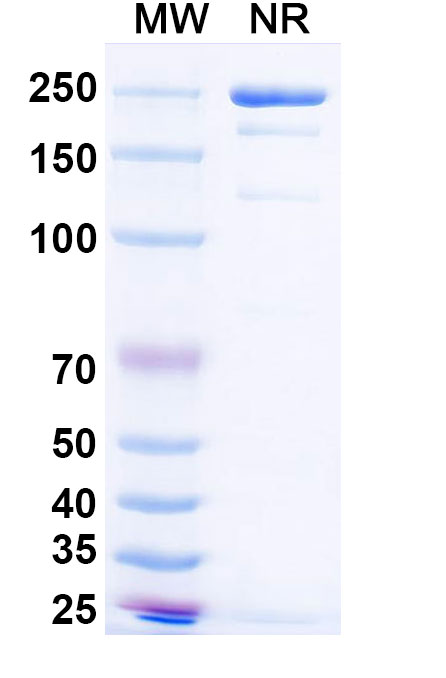
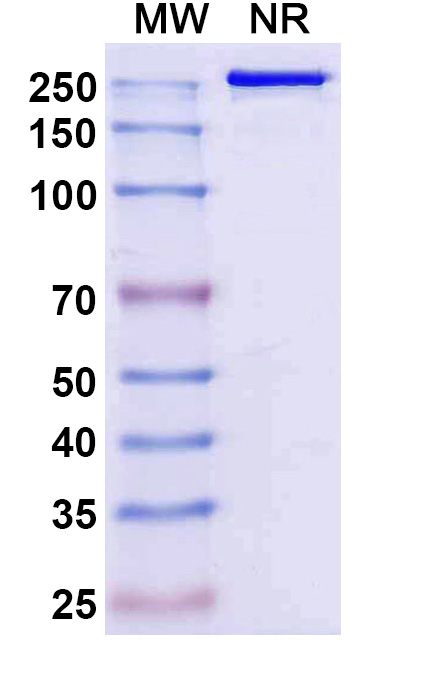
Sipavibart Biosimilar is a fully humanized IgG1 monoclonal antibody, meaning it is derived from human immune cells and has a constant region of the antibody that is identical to that of human antibodies. This feature reduces the risk of immune reactions and increases the half-life of the antibody in the body. The variable region of the antibody is engineered to specifically target the spike glycoprotein of SARS-CoV-2, making it a highly specific and effective therapeutic agent.
Activity of Sipavibart Biosimilar
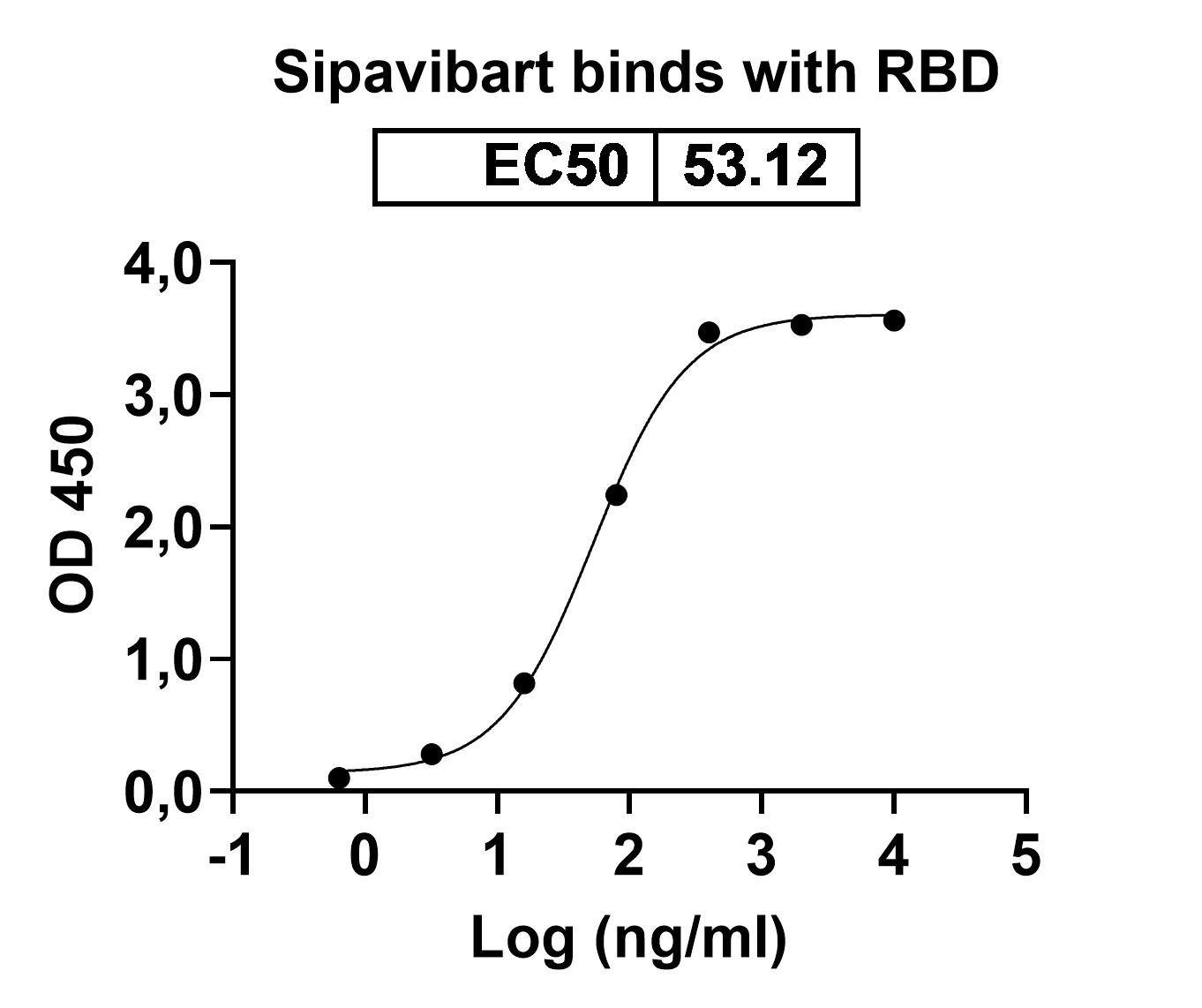
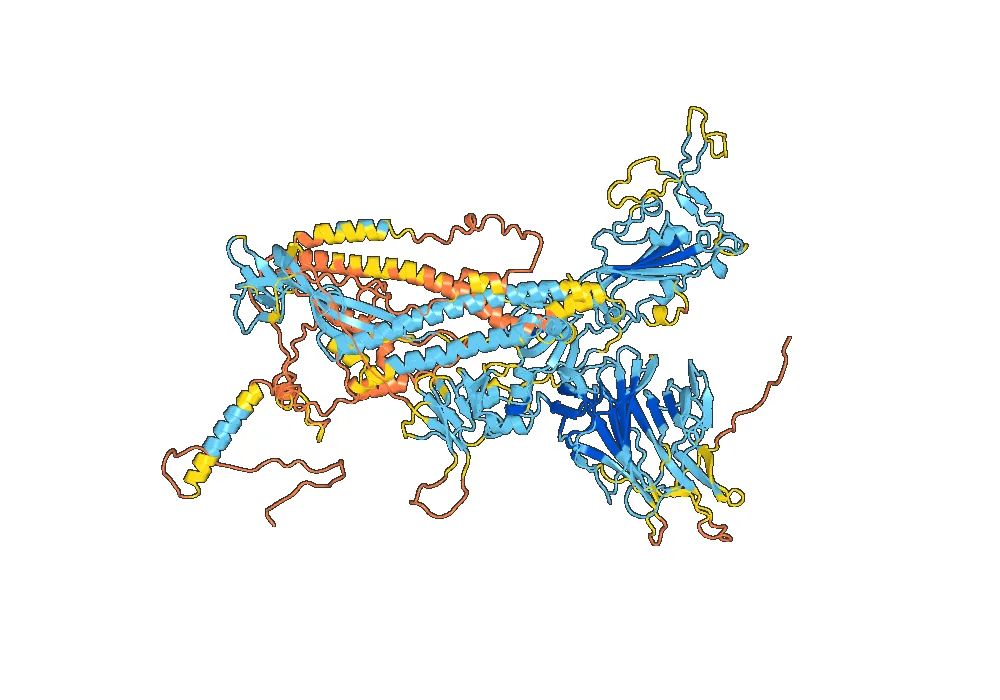
The spike glycoprotein of SARS-CoV-2 plays a crucial role in the virus’s ability to enter and infect human cells. It binds to the ACE2 receptor on the surface of human cells, allowing the virus to enter and replicate. Sipavibart Biosimilar binds to the spike glycoprotein and blocks its interaction with the ACE2 receptor, preventing viral entry and inhibiting the virus’s ability to spread. This mechanism of action makes Sipavibart Biosimilar a promising therapeutic option for COVID-19.
Potential Applications of Sipavibart Biosimilar
Sipavibart Biosimilar has the potential to be used in various applications related to COVID-19. In pre-clinical studies, it has shown efficacy in neutralizing the virus and reducing viral load in infected cells. This makes it a potential treatment option for patients with mild to moderate COVID-19 symptoms, as well as a prophylactic agent for individuals at high risk of exposure, such as healthcare workers.
Additionally, Sipavibart Biosimilar can also be used in the development of diagnostic tests for COVID-19. The antibody’s high specificity for the spike glycoprotein can be utilized in serological tests to detect the presence of antibodies against SARS-CoV-2 in a patient’s blood. This can aid in the diagnosis of COVID-19 and provide valuable information about the immune response to the virus.
Future Directions
The development of Sipavibart Biosimilar is still in its early stages, and further research is needed to fully understand its potential. Clinical trials are currently underway to evaluate its safety and efficacy in treating COVID-19 patients. If successful, Sipavibart Biosimilar has the potential to become a valuable addition to the arsenal of treatments for COVID-19.
Conclusion
In conclusion, Sipavibart Biosimilar is a novel monoclonal antibody targeting the spike glycoprotein of SARS-CoV-2. Its fully humanized structure, specific targeting of the virus, and promising pre-clinical results make it a potential therapeutic option for COVID-19. Its potential applications in treatment and diagnosis highlight its importance in the fight against the ongoing pandemic. Further research and clinical trials will provide more insights into the efficacy and safety of Sipavibart Biosimilar, paving the way for its potential use in the management of COVID-19.


There are no reviews yet.