Introduction
Tenecteplase Biosimilar, also known as t-plasminogen activator, is a recombinant form of tissue plasminogen activator (t-PA) that is used in the treatment of blood clots. This biosimilar is a highly potent and specific enzyme that plays a crucial role in the breakdown of blood clots. In this article, we will discuss the structure, activity, and application of Tenecteplase Biosimilar in detail.
Structure
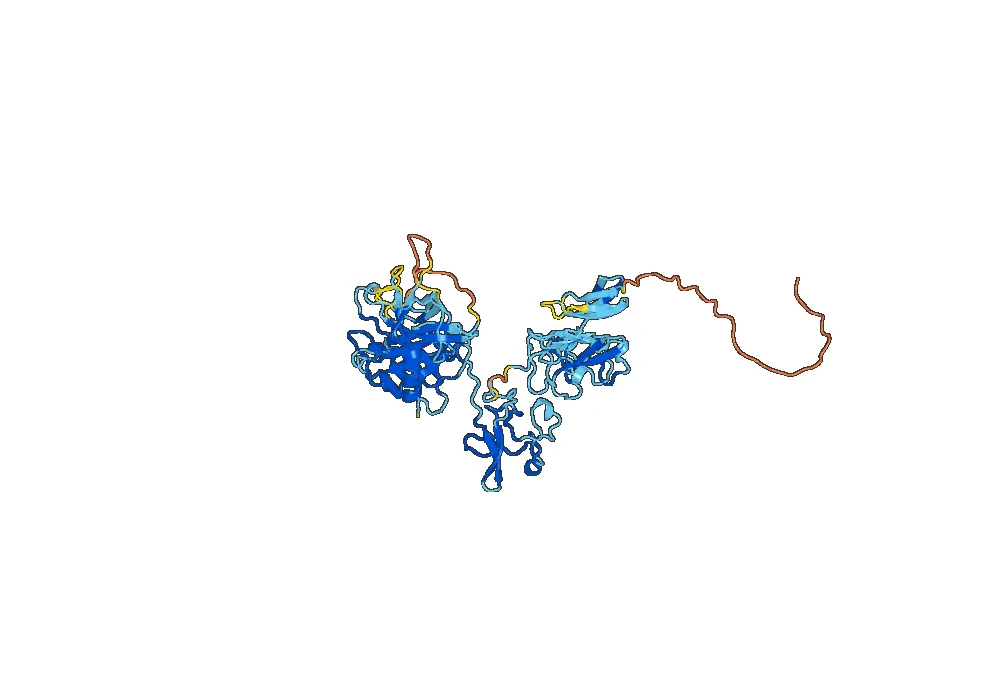
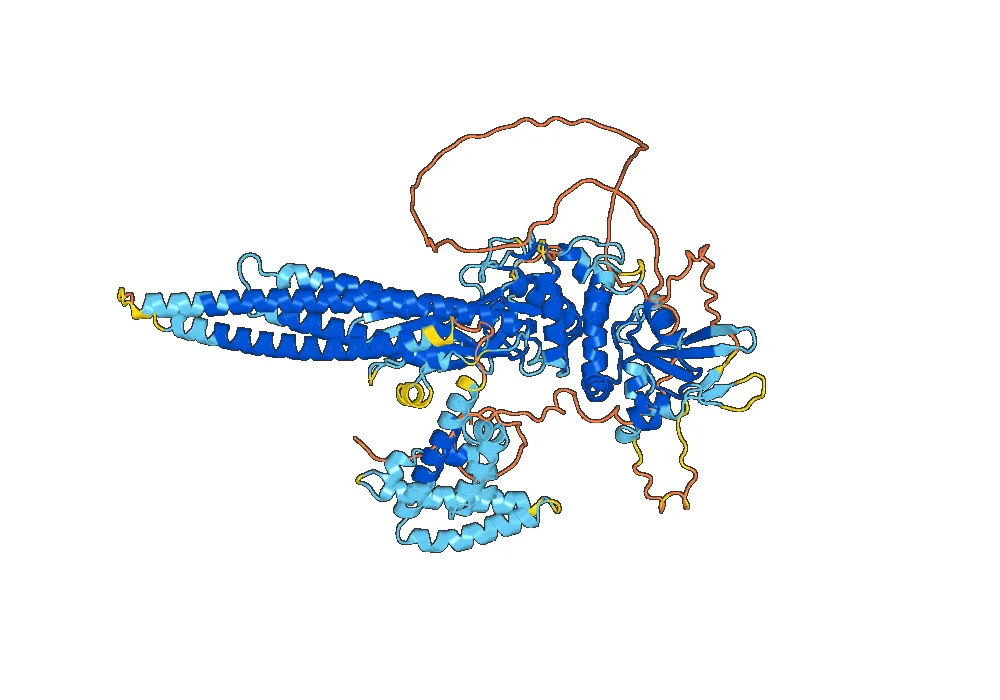
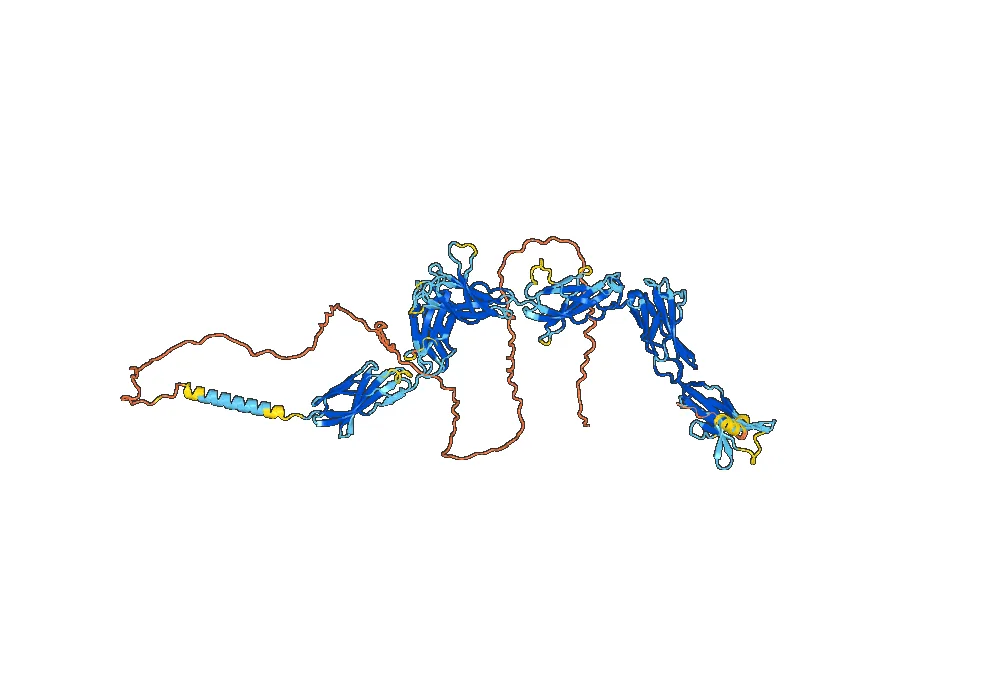
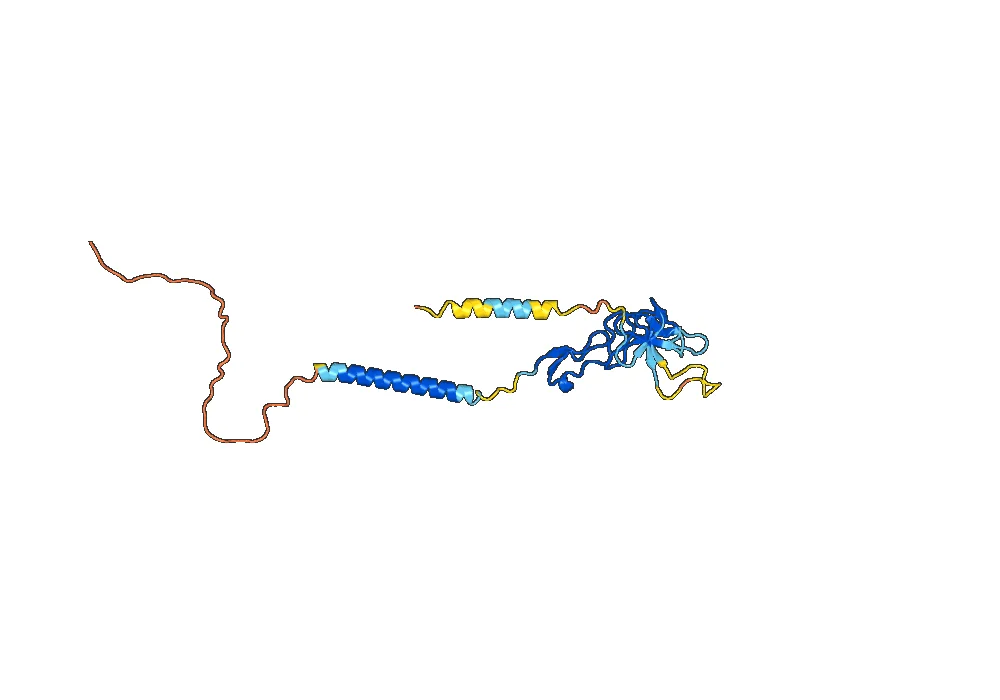
Tenecteplase Biosimilar is a protein-based drug that is produced by recombinant DNA technology. It is a 527 amino acid protein with a molecular weight of approximately 59 kDa. The structure of Tenecteplase Biosimilar is very similar to that of the endogenous t-PA enzyme, with a few modifications to improve its stability and efficacy. It consists of five functional domains, including the finger, epidermal growth factor (EGF), kringle 1, kringle 2, and protease domains.
Finger Domain
The finger domain of Tenecteplase Biosimilar is responsible for binding to fibrin, a protein that forms the backbone of blood clots. This domain contains lysine residues that interact with the lysine-binding sites on fibrin, leading to the localization of the enzyme to the site of the clot.
EGF Domain
The EGF domain of Tenecteplase Biosimilar is involved in binding to the EGF receptor, which is present on the surface of cells. This interaction triggers a signaling cascade that results in the activation of plasminogen, a precursor of plasmin, the enzyme responsible for breaking down fibrin.
Kringle Domains
The kringle domains of Tenecteplase Biosimilar play a crucial role in regulating the activity of the enzyme. These domains are involved in the binding of plasminogen, which is then converted to plasmin. The kringle domains also contribute to the specificity of Tenecteplase Biosimilar towards fibrin, making it a highly targeted and effective drug.
Protease Domain
The protease domain is the catalytic domain of Tenecteplase Biosimilar, responsible for the conversion of plasminogen to plasmin. This domain contains the active site of the enzyme, which cleaves the plasminogen molecule, resulting in the formation of plasmin.
Activity
Tenecteplase Biosimilar exhibits high enzymatic activity, with a specific activity that is 15 times greater than that of alteplase, another t-PA-based drug. This high activity is due to the modifications made to the structure of the enzyme, which have improved its binding affinity towards fibrin and plasminogen. The increased specificity and potency of Tenecteplase Biosimilar make it a highly effective drug for the treatment of blood clots.
Application
Tenecteplase Biosimilar is primarily used as a thrombolytic agent for the treatment of acute ischemic stroke, acute myocardial infarction, and pulmonary embolism. It is also used in the management of deep vein thrombosis and peripheral arterial occlusion. The high specificity and potency of Tenecteplase Biosimilar make it a preferred choice for the treatment of these conditions, as it has a lower risk of bleeding complications compared to other thrombolytic agents.
Antibody Production
Tenecteplase Biosimilar can also be used as a therapeutic target for the production of monoclonal antibodies. These antibodies can be used for diagnostic purposes or as targeted therapies for various diseases, including cancer and autoimmune disorders. The highly specific binding of Tenecteplase Biosimilar towards fibrin and plasminogen makes it an ideal target for the production of targeted antibodies.
Conclusion In summary, Tenecteplase Biosimilar, also
There are no reviews yet.