Introduction
Tobevibart Biosimilar is a research grade anti-HBV monoclonal antibody (mAb) that has shown promising results in the treatment of hepatitis B virus (HBV) infection. In this article, we will discuss the structure, activity, and potential applications of this novel therapeutic agent.
Structure of Tobevibart Biosimilar
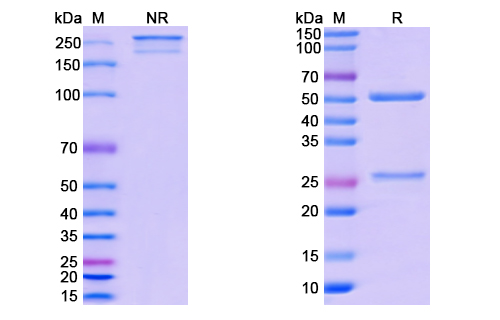
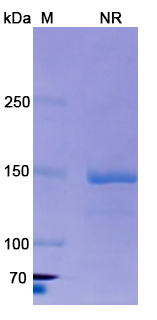
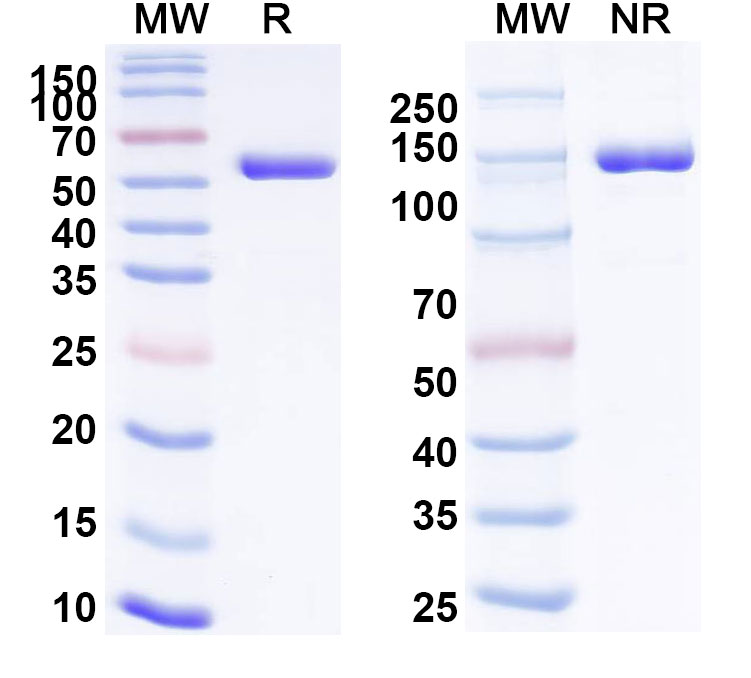
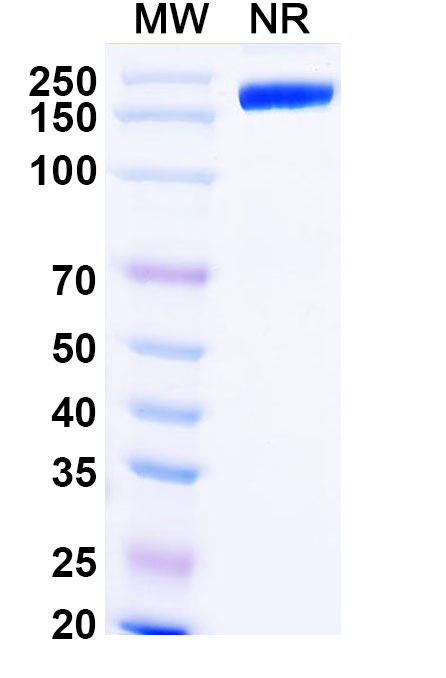
Tobevibart Biosimilar is a fully humanized IgG1 monoclonal antibody that specifically targets the surface antigen of HBV. It is composed of two heavy chains and two light chains, each containing a variable region that recognizes and binds to the HBV surface antigen. The constant region of the antibody is responsible for its effector functions, such as complement activation and antibody-dependent cellular cytotoxicity.
Mechanism of Action
Tobevibart Biosimilar works by binding to the HBV surface antigen, which is present on the surface of infected liver cells. This prevents the virus from entering and infecting new cells, thereby reducing the viral load in the body. Additionally, the binding of the antibody to the surface antigen triggers an immune response, leading to the destruction of infected cells by the body’s own immune system.
Therapeutic Target
The therapeutic target of Tobevibart Biosimilar is the HBV surface antigen, also known as the hepatitis B surface antigen (HBsAg). This antigen is a key component of the HBV virus and is essential for its replication and infection of liver cells. By targeting this antigen, Tobevibart Biosimilar effectively inhibits the spread of the virus and reduces the risk of liver damage and disease progression.
Activity of Tobevibart Biosimilar
Several preclinical studies have demonstrated the potent activity of Tobevibart Biosimilar against HBV. In one study, the antibody was shown to effectively neutralize HBV in cell culture and significantly reduce viral load in a mouse model of infection. Another study showed that Tobevibart Biosimilar could prevent the transmission of HBV from infected cells to uninfected cells. These findings indicate that Tobevibart Biosimilar has the potential to be a highly effective treatment for HBV infection.
Potential Applications
Tobevibart Biosimilar has the potential to be used in various clinical settings for the treatment of HBV infection. It could be used as a monotherapy for patients with chronic HBV infection, or in combination with other antiviral agents for a more comprehensive treatment approach. Additionally, Tobevibart Biosimilar could be used for post-exposure prophylaxis in individuals who have been exposed to HBV, such as healthcare workers or individuals with a history of needlestick injuries.
Conclusion
In conclusion, Tobevibart Biosimilar is a promising research grade anti-HBV monoclonal antibody with a unique mechanism of action and potent activity against the virus. Its specific targeting of the HBV surface antigen makes it a promising therapeutic agent for the treatment of HBV infection. Further clinical studies are needed to fully evaluate the efficacy and safety of Tobevibart Biosimilar, but it has the potential to make a significant impact in the field of HBV treatment.

There are no reviews yet.