Introduction
Venanprubart Biosimilar is a monoclonal antibody (mAb) that targets the B- and T-lymphocyte attenuator (BTLA) protein. It is a research grade antibody that has been developed as a biosimilar to the original anti-BTLA mAb, which has shown promising results in clinical trials for the treatment of various autoimmune and inflammatory diseases.
Structure of Venanprubart Biosimilar
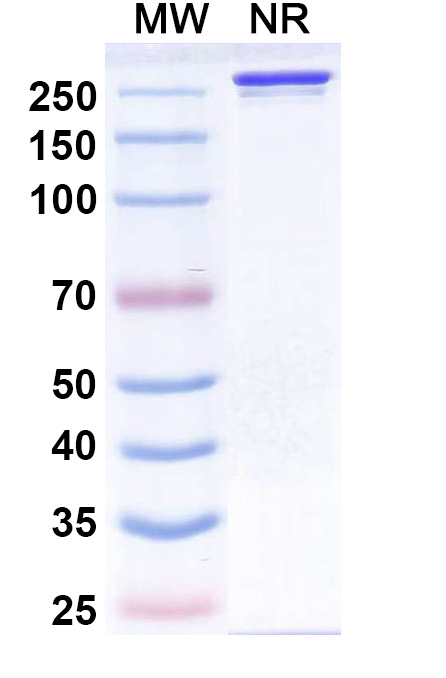
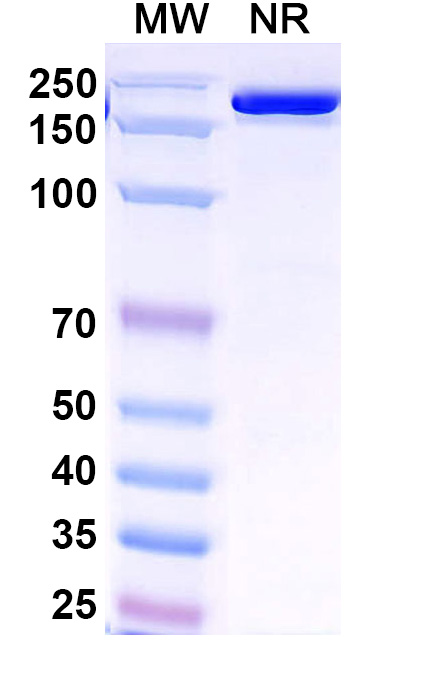
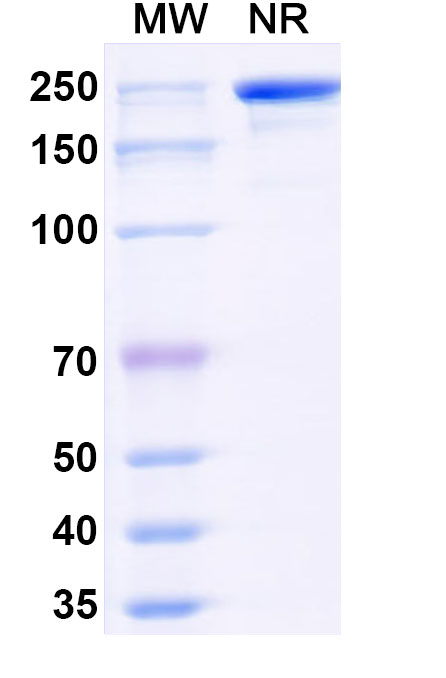
Venanprubart Biosimilar is a fully humanized IgG1 monoclonal antibody that is produced using recombinant DNA technology. It consists of two identical heavy chains and two identical light chains, each with a molecular weight of approximately 150 kDa. The antibody has a Y-shaped structure, with two antigen-binding fragments (Fab) and one crystallizable fragment (Fc). The Fab regions are responsible for binding to the BTLA protein, while the Fc region mediates effector functions such as antibody-dependent cellular cytotoxicity (ADCC) and complement-dependent cytotoxicity (CDC).
Mechanism of Action
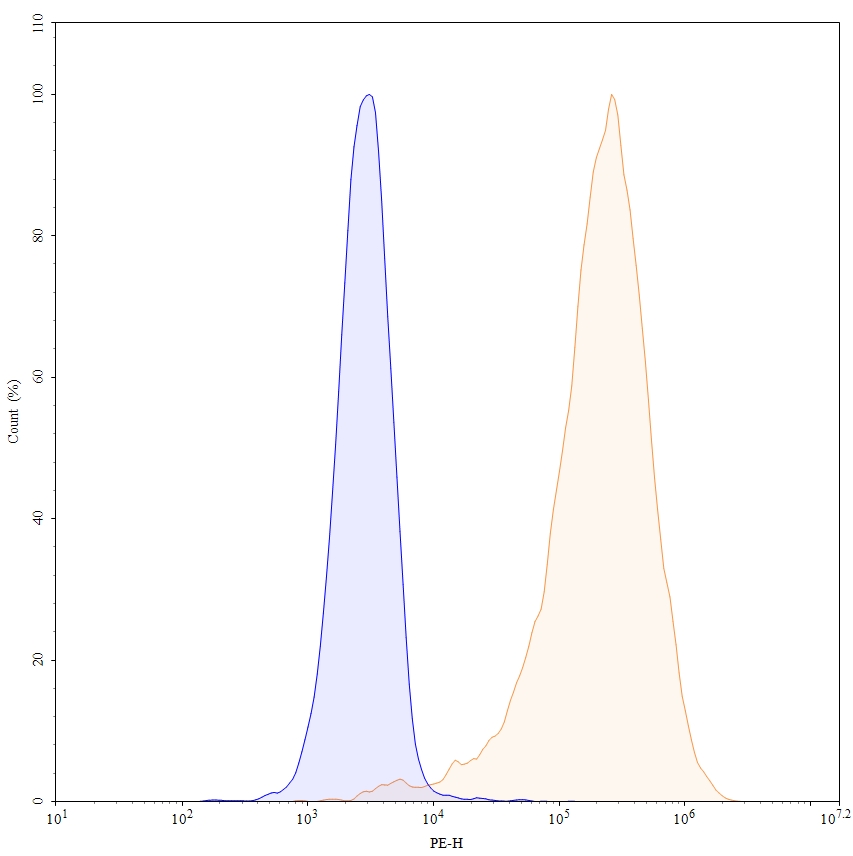
BTLA is a co-inhibitory receptor that is expressed on the surface of B and T lymphocytes. It interacts with its ligand, herpesvirus entry mediator (HVEM), to downregulate immune responses. In autoimmune and inflammatory diseases, the BTLA-HVEM pathway is often dysregulated, leading to excessive immune activation. Venanprubart Biosimilar binds to BTLA, preventing its interaction with HVEM and thereby blocking the inhibitory signal. This results in the activation of B and T cells, leading to a reduction in disease symptoms.
Therapeutic Target
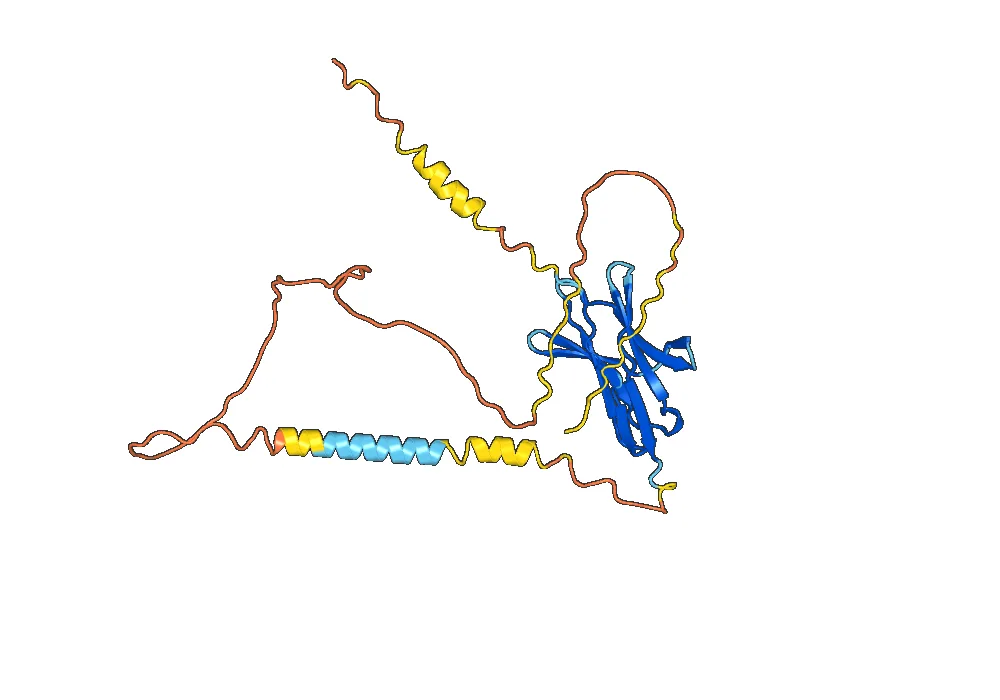
The therapeutic target of Venanprubart Biosimilar is BTLA, a protein that plays a crucial role in regulating immune responses. BTLA is expressed on the surface of B and T cells, as well as natural killer (NK) cells and dendritic cells. It is involved in maintaining immune homeostasis and tolerance, and dysregulation of this pathway has been implicated in the pathogenesis of various autoimmune and inflammatory diseases. By targeting BTLA, Venanprubart Biosimilar aims to restore the balance of the immune system and treat these diseases.
Applications of Venanprubart Biosimilar
Venanprubart Biosimilar has shown promising results in preclinical studies for the treatment of multiple sclerosis, rheumatoid arthritis, and inflammatory bowel disease. In a phase I clinical trial, the original anti-BTLA mAb has been shown to be safe and well-tolerated in healthy volunteers, and a phase II trial is currently ongoing to evaluate its efficacy in multiple sclerosis patients. Based on these results, Venanprubart Biosimilar is being developed as a potential treatment for these and other autoimmune and inflammatory diseases.
Advantages of Venanprubart Biosimilar
As a biosimilar, Venanprubart Biosimilar offers several advantages over the original anti-BTLA mAb. It has the same amino acid sequence and structure as the reference product, ensuring similar efficacy and safety profiles. However, as a research grade antibody, it is more affordable and accessible for use in preclinical and clinical studies. Additionally, the use of a fully humanized antibody reduces the risk of immunogenicity, making it a safer option for patients.
Conclusion
In summary, Venanprubart Biosimilar is a research grade monoclonal antibody that targets the BTLA protein, a key regulator of immune responses. By blocking the inhibitory signal of BTLA, it aims to treat autoimmune and inflammatory diseases. With promising preclinical and early clinical data, Venanprubart Biosimilar has the potential to become a valuable therapeutic option for patients suffering from these conditions.


There are no reviews yet.