Introduction
Vixarelimab Biosimilar, also known as Anti-OSMR mAb, is a research grade monoclonal antibody that targets the oncostatin M receptor (OSMR). This novel therapeutic agent has shown promising results in preclinical studies and is currently being evaluated for its potential use in various diseases.
Structure of Vixarelimab Biosimilar
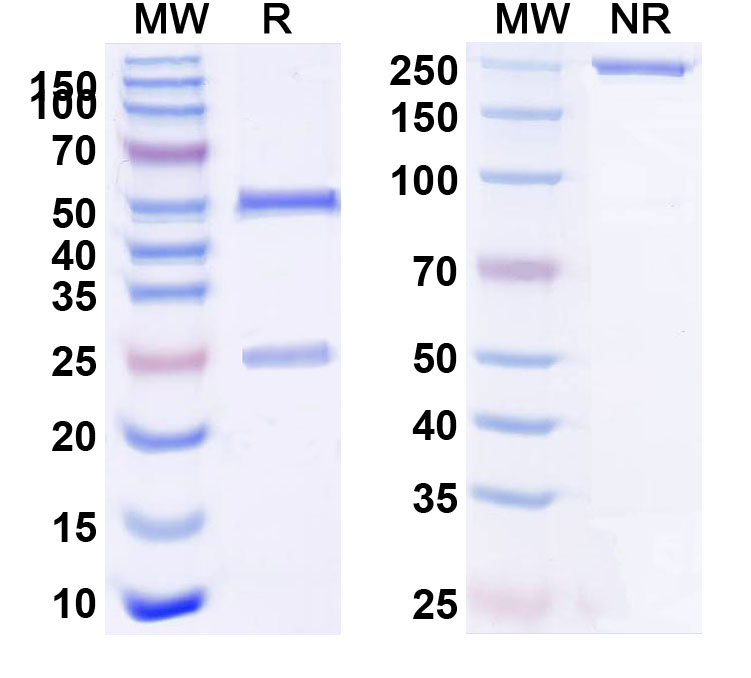
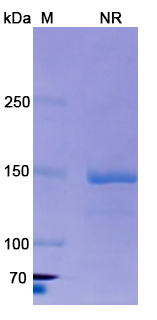
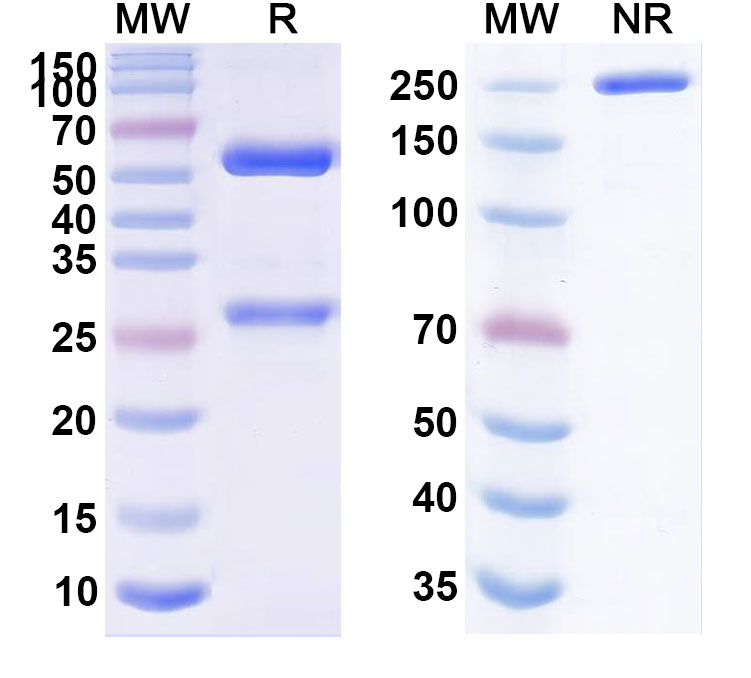
Vixarelimab Biosimilar is a fully humanized IgG1 monoclonal antibody that specifically binds to the OSMR protein. It is composed of two heavy chains and two light chains, each containing a variable region and a constant region. The variable region is responsible for the specific binding to OSMR, while the constant region mediates the effector functions of the antibody.
Activity of Vixarelimab Biosimilar
The primary function of Vixarelimab Biosimilar is to block the activity of OSMR, a receptor that is involved in various cellular processes such as inflammation, cell proliferation, and differentiation. By binding to OSMR, Vixarelimab Biosimilar prevents the binding of its ligands, including oncostatin M and interleukin-31, thereby inhibiting downstream signaling pathways.
Preclinical studies have shown that Vixarelimab Biosimilar effectively blocks OSMR signaling and reduces inflammation in various animal models. It has also been shown to inhibit cancer cell growth and induce cell death in OSMR-expressing tumor cells. These findings suggest that Vixarelimab Biosimilar has potential therapeutic applications in multiple diseases.
Application of Vixarelimab Biosimilar
Vixarelimab Biosimilar is currently being evaluated for its potential use in various diseases, including cancer, autoimmune disorders, and inflammatory conditions. In cancer, OSMR has been found to be overexpressed in several types of tumors, making it a potential therapeutic target. Vixarelimab Biosimilar has shown promising results in preclinical studies as a monotherapy and in combination with other cancer treatments.
In autoimmune disorders, OSMR has been implicated in the pathogenesis of diseases such as rheumatoid arthritis and multiple sclerosis. By targeting OSMR, Vixarelimab Biosimilar has the potential to modulate the immune response and reduce inflammation in these conditions.
In addition, OSMR has been linked to various inflammatory conditions, such as atopic dermatitis and asthma. Vixarelimab Biosimilar has shown efficacy in preclinical studies as a potential treatment for these diseases by reducing inflammation and improving symptoms.
Conclusion
In conclusion, Vixarelimab Biosimilar is a research grade monoclonal antibody that specifically targets the OSMR protein. It has shown promising results in preclinical studies as a potential treatment for various diseases, including cancer, autoimmune disorders, and inflammatory conditions. Further clinical trials are needed to fully evaluate the therapeutic potential of Vixarelimab Biosimilar and its role in improving patient outcomes.

There are no reviews yet.