Anrukinzumab Biosimilar: A Promising Anti-IL13 mAb for Targeted Therapy Introduction
Anrukinzumab Biosimilar is a monoclonal antibody (mAb) that specifically targets and blocks the activity of interleukin-13 (IL-13), a cytokine involved in various inflammatory and allergic diseases. It is a biosimilar version of the original Anrukinzumab, developed by the pharmaceutical company Roche. This article will provide a comprehensive description of the structure, activity, and potential applications of Anrukinzumab Biosimilar as a therapeutic agent.
Structure of Anrukinzumab Biosimilar
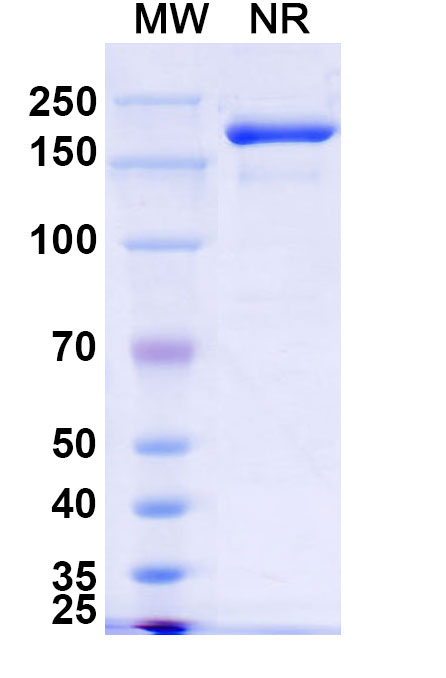
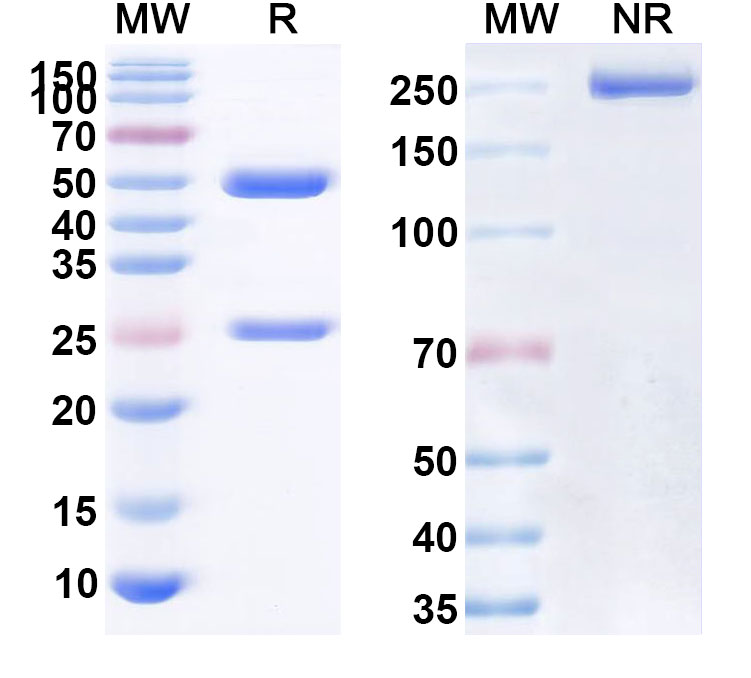
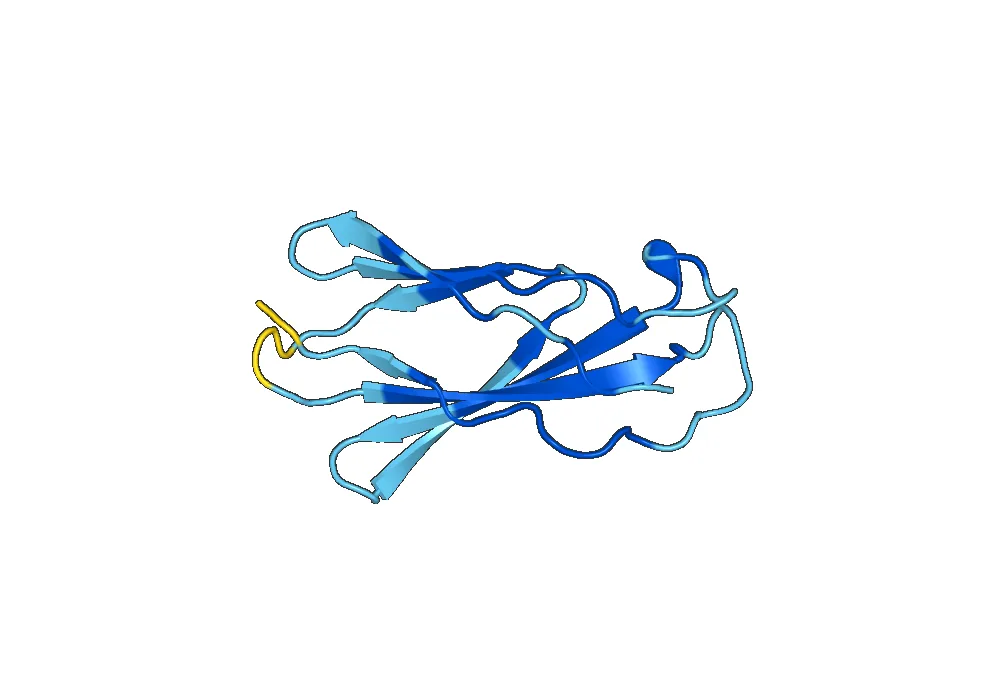
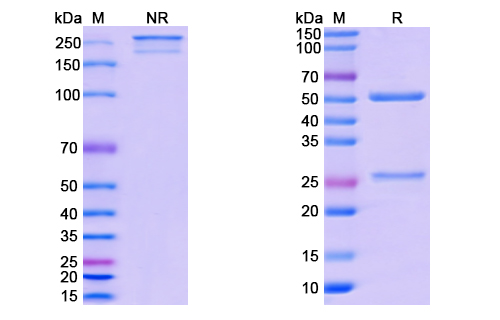
Anrukinzumab Biosimilar is a fully human IgG1 kappa monoclonal antibody with a molecular weight of approximately 150 kDa. It is composed of two heavy chains and two light chains, each containing variable and constant regions. The variable regions are responsible for binding to IL-13, while the constant regions determine the antibody’s effector functions.
The amino acid sequence of Anrukinzumab Biosimilar is highly similar to the original Anrukinzumab, with only a few minor differences. This is due to the biosimilar’s manufacturing process, which involves using living cells to produce the antibody. As a result, Anrukinzumab Biosimilar has the same three-dimensional structure and binding affinity as the original antibody, making it a highly effective therapeutic agent.
Mechanism of Action
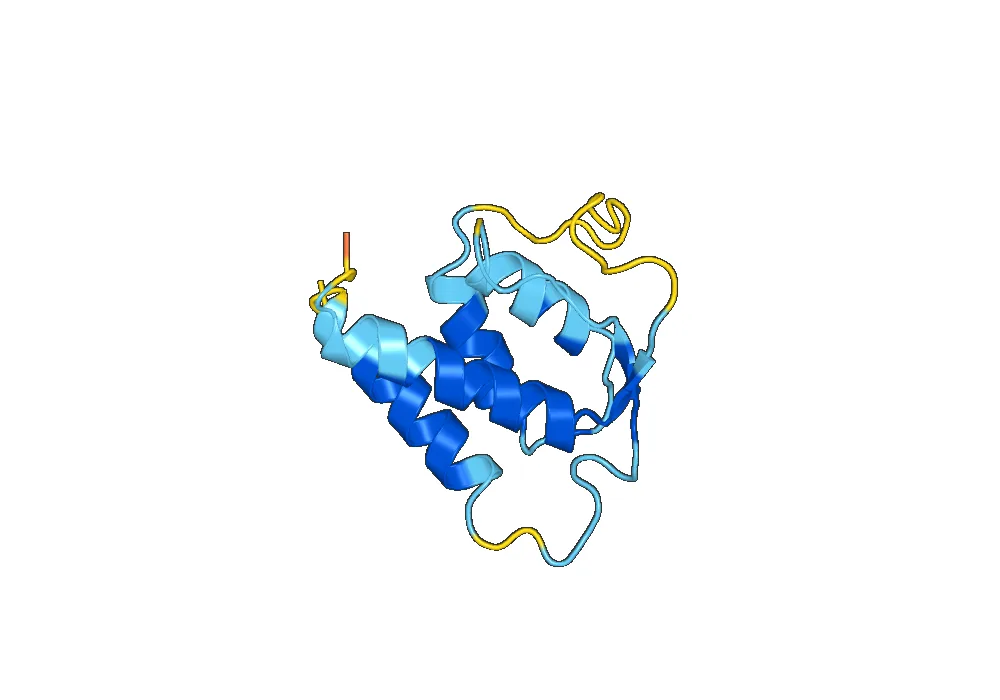
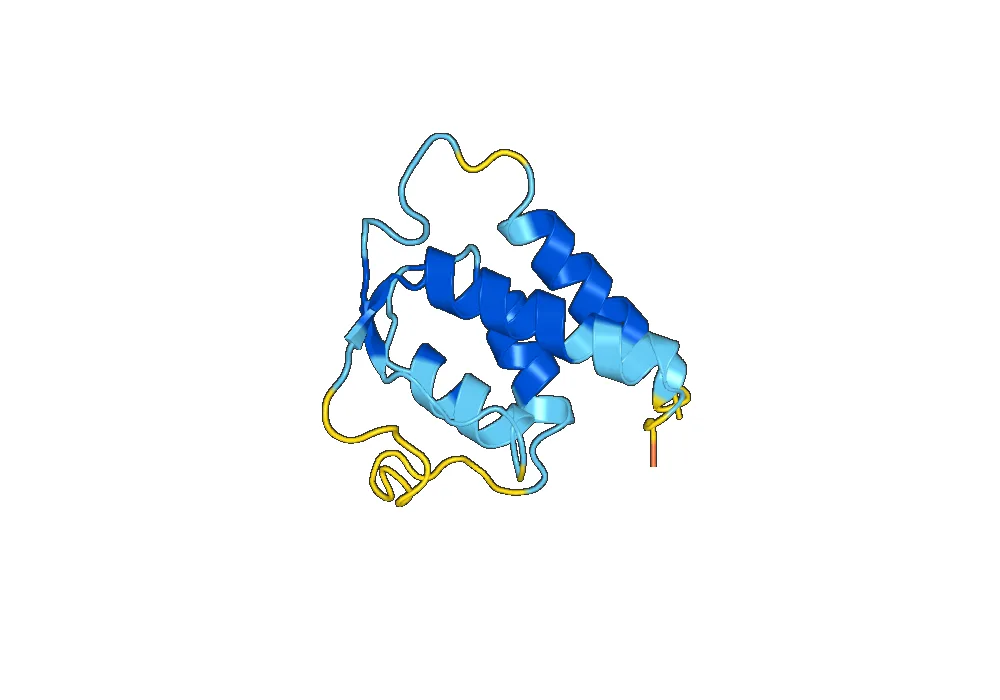
IL-13 is a pro-inflammatory cytokine that plays a crucial role in the pathogenesis of various diseases, including asthma, atopic dermatitis, and inflammatory bowel disease. It exerts its effects by binding to the IL-13 receptor alpha 1 (IL-13Rα1) and IL-13 receptor alpha 2 (IL-13Rα2) on the surface of target cells.
Anrukinzumab Biosimilar works by binding to IL-13 and preventing it from binding to its receptors. This blocks the downstream signaling pathways, leading to a decrease in the production of pro-inflammatory cytokines and chemokines. As a result, the inflammatory response is reduced, and the symptoms of the disease are alleviated.
Potential Applications
Anrukinzumab Biosimilar has shown promising results in various preclinical and clinical studies, making it a potential treatment option for a range of inflammatory and allergic diseases. Some of the potential applications of Anrukinzumab Biosimilar include:
Asthma Asthma is a chronic respiratory disease characterized by airway inflammation and hyperresponsiveness. IL-13 has been identified as a key cytokine involved in the pathogenesis of asthma. Anrukinzumab Biosimilar has shown significant efficacy in reducing airway inflammation and improving lung function in patients with moderate to severe asthma.
Atopic Dermatitis
Atopic dermatitis is a chronic skin condition characterized by intense itching and inflammation. IL-13 has been found to play a crucial role in the development of atopic dermatitis. Anrukinzumab Biosimilar has shown promising results in reducing the severity of symptoms and improving the quality of life in patients with atopic dermatitis.
Inflammatory Bowel Disease
Inflammatory bowel disease (IBD) is a group of chronic inflammatory disorders of the gastrointestinal tract, including Crohn’s disease and ulcerative colitis. IL-13 has been implicated in the pathogenesis of IBD. Anrukinzumab Biosimilar has shown efficacy in reducing colonic inflammation and improving clinical symptoms in patients with IBD.
Other Potential Applications
IL-13 has also been linked to other diseases, such as chronic obstructive pulmonary disease (COPD), chronic rhinosinusitis, and fibrosis. Anru

There are no reviews yet.