Title: Introduction to Anti-Human CD22 VHH (SAA2691)
Anti-Human CD22 VHH (SAA2691) is a recombinant single-domain antibody fragment that specifically targets the CD22 protein on human cells. This molecule has gained significant attention in the field of immunotherapy due to its unique structure and promising therapeutic potential. In this article, we will explore the structure, activity, and potential applications of Anti-Human CD22 VHH.
Title: Structure of Anti-Human CD22 VHH
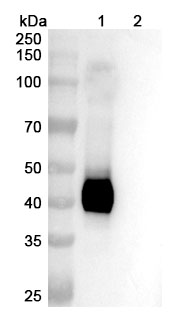
Anti-Human CD22 VHH is a small antibody fragment composed of a single variable domain of a heavy chain (VHH) of a camelid antibody. This unique structure, also known as a VHH or nanobody, makes Anti-Human CD22 VHH smaller and more stable than conventional antibodies. It is composed of approximately 15 kDa and consists of three complementarity-determining regions (CDRs) and four framework regions (FRs). The CDRs are responsible for binding to the CD22 protein, while the FRs provide structural support.
Title: Activity of Anti-Human CD22 VHH
The primary target of Anti-Human CD22 VHH is the CD22 protein, which is expressed on the surface of B cells. CD22 is a type I transmembrane protein that plays a crucial role in B cell signaling and activation. Anti-Human CD22 VHH binds to the extracellular domain of CD22, blocking its interaction with other proteins and inhibiting B cell activation. This activity makes Anti-Human CD22 VHH a potential therapeutic agent for various B cell-related diseases, including B cell lymphomas and autoimmune disorders.
Title: Mechanism of Action
Anti-Human CD22 VHH exerts its therapeutic effects through multiple mechanisms. Firstly, it blocks the interaction between CD22 and its ligands, such as CD45 and CD19, which are essential for B cell activation. This leads to the inhibition of B cell proliferation and survival. Secondly, Anti-Human CD22 VHH can also induce antibody-dependent cell-mediated cytotoxicity (ADCC) and complement-dependent cytotoxicity (CDC), leading to the destruction of CD22-expressing B cells. Finally, Anti-Human CD22 VHH can also modulate the immune response by promoting the production of regulatory T cells and suppressing pro-inflammatory cytokines.
Title: Applications of Anti-Human CD22 VHH
Anti-Human CD22 VHH has shown promising results in preclinical studies as a potential therapeutic agent for B cell lymphomas, including non-Hodgkin lymphoma and chronic lymphocytic leukemia. It has also shown potential in the treatment of autoimmune disorders, such as rheumatoid arthritis and systemic lupus erythematosus. Additionally, Anti-Human CD22 VHH has been explored as a targeted therapy for B cell-mediated autoimmune diseases, such as multiple sclerosis and type 1 diabetes.
Title: Advantages of Anti-Human CD22 VHH
Anti-Human CD22 VHH offers several advantages over conventional antibody-based therapies. Its small size allows for better tissue penetration and distribution, leading to enhanced efficacy. It also has a longer half-life in the body, reducing the frequency of dosing. Furthermore, Anti-Human CD22 VHH is highly specific to CD22, minimizing off-target effects and reducing the risk of toxicity.
Title: Conclusion
In conclusion, Anti-Human CD22 VHH (SAA2691) is a promising therapeutic agent with a unique structure, specific activity, and potential applications in various B cell-related diseases. Its mechanism of action and advantages over conventional therapies make it a promising candidate for further development and clinical use. With ongoing research and clinical trials, Anti-Human CD22 VHH has the potential to revolutionize the treatment of B cell-mediated disorders.

There are no reviews yet.