Introduction
The Apamistamab ELISA Kit is a valuable tool for researchers studying the role of the antibody apamistamab in various diseases and therapeutic applications. This kit allows for the precise quantification of apamistamab levels in biological samples, providing important insights into its structure, activity, and potential applications.
Structure of Apamistamab
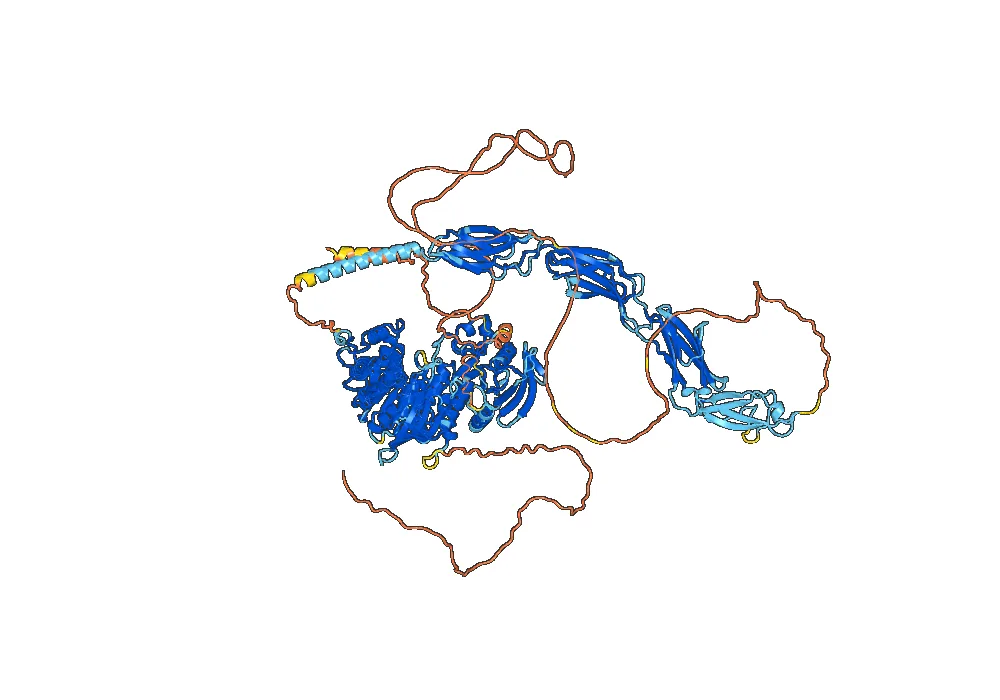
Apamistamab, also known as MOR208, is a humanized monoclonal antibody that specifically targets the CD19 protein. It is composed of two heavy chains and two light chains, with a molecular weight of approximately 148 kDa. The antibody has a unique structure that allows it to bind to CD19 with high affinity, making it an effective therapeutic agent.
Activity of Apamistamab
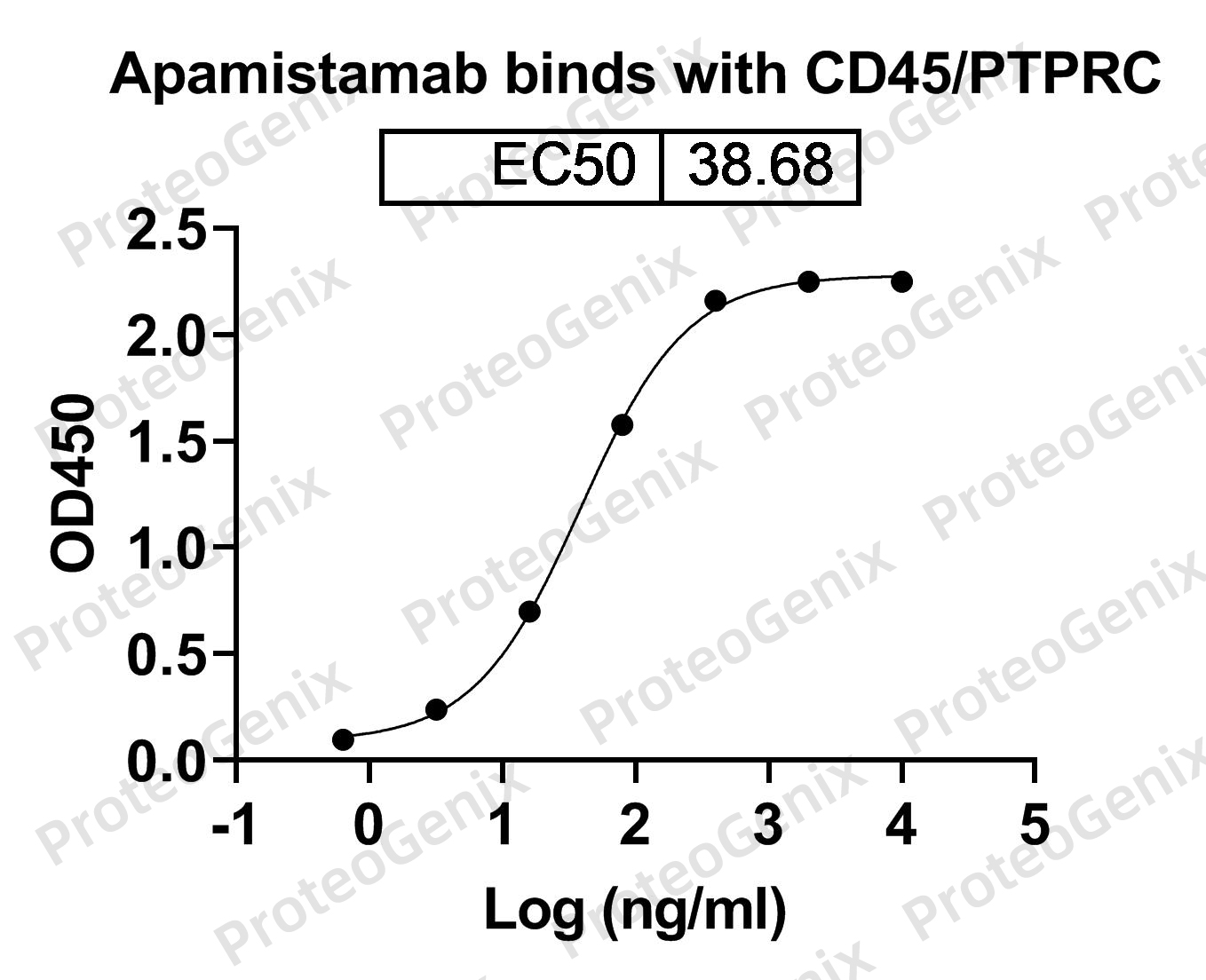
The primary function of apamistamab is to target and bind to the CD19 protein, which is expressed on the surface of B cells. By binding to CD19, apamistamab can effectively block the activation and proliferation of B cells, leading to their depletion. This activity is particularly important in diseases where B cells play a key role, such as B cell lymphomas and leukemias.
In addition to its direct effects on B cells, apamistamab also has immunomodulatory properties. It has been shown to stimulate the activity of natural killer (NK) cells and macrophages, which can enhance the immune response against cancer cells. This dual mechanism of action makes apamistamab a promising therapeutic target for a range of diseases.
Application of Apamistamab
The Apamistamab ELISA Kit has been used in various research studies to investigate the potential applications of this antibody. One of the most promising areas of research is in the treatment of B cell malignancies, including non-Hodgkin’s lymphoma and chronic lymphocytic leukemia. In clinical trials, apamistamab has shown promising results in these diseases, with high response rates and manageable side effects.
Another potential application of apamistamab is in the treatment of autoimmune diseases, such as rheumatoid arthritis and multiple sclerosis. By targeting B cells, apamistamab can suppress the production of autoantibodies and reduce inflammation, providing a potential new treatment option for these conditions.
Furthermore, the Apamistamab ELISA Kit has been used to study the pharmacokinetics of this antibody. By measuring apamistamab levels in biological samples, researchers can better understand how the antibody is distributed and eliminated from the body, which is crucial for optimizing dosing regimens and predicting potential side effects.
Conclusion
The Apamistamab ELISA Kit is a valuable tool for studying the structure, activity, and potential applications of the antibody apamistamab. Its ability to accurately quantify apamistamab levels in biological samples has allowed researchers to gain important insights into the role of this antibody in various diseases and therapeutic settings. With ongoing research and clinical trials, apamistamab has the potential to become a highly effective and versatile therapeutic agent for a range of conditions.


There are no reviews yet.