Introduction
Faralimomab Biosimilar, also known as Anti-IFNA1 mAb, is a monoclonal antibody that specifically targets and binds to interferon alpha 1 (IFNA1). This antibody has been extensively studied and has shown promising results in various pre-clinical and clinical trials. In this article, we will delve into the structure, activity, and potential applications of Faralimomab Biosimilar.
Structure of Faralimomab Biosimilar
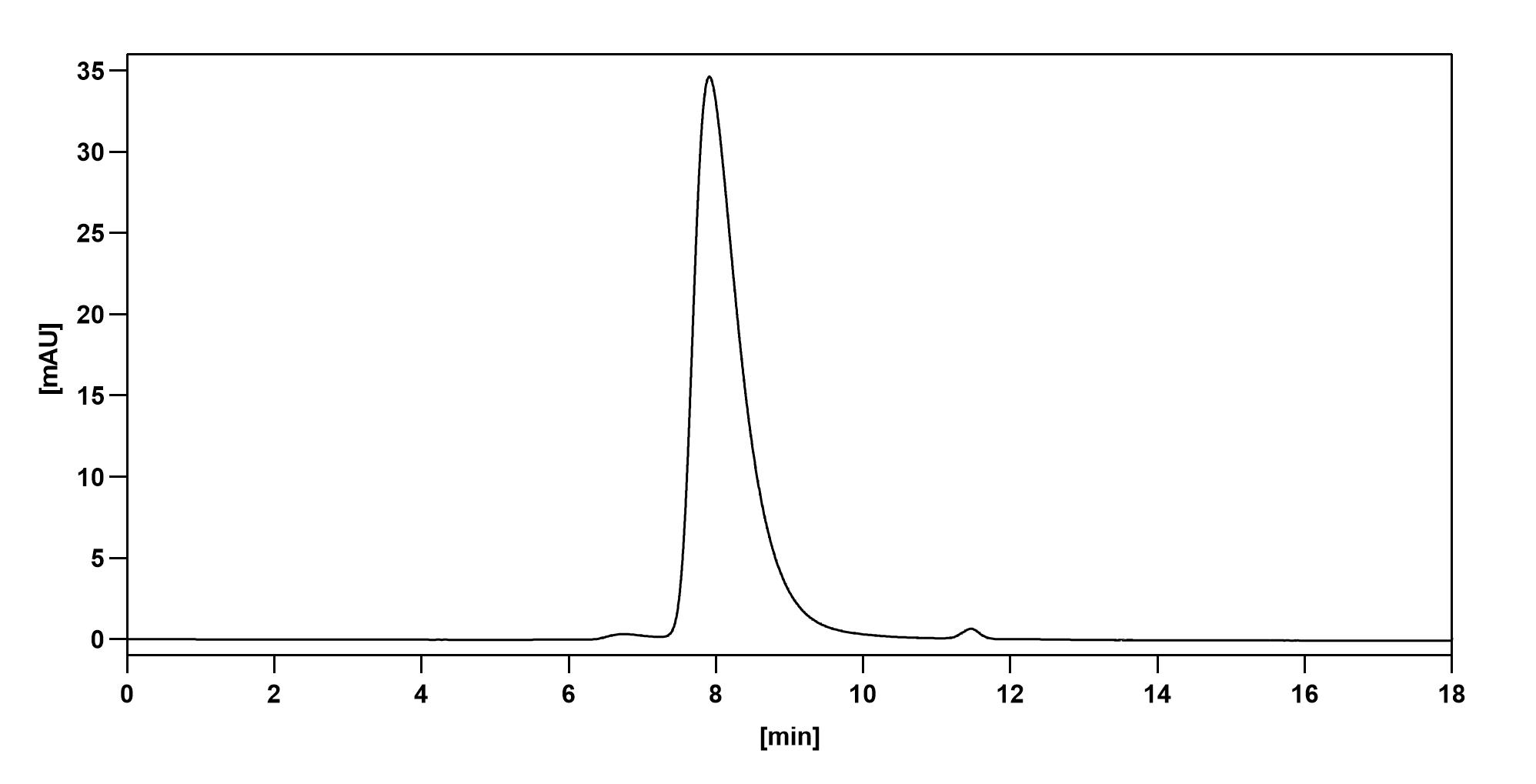
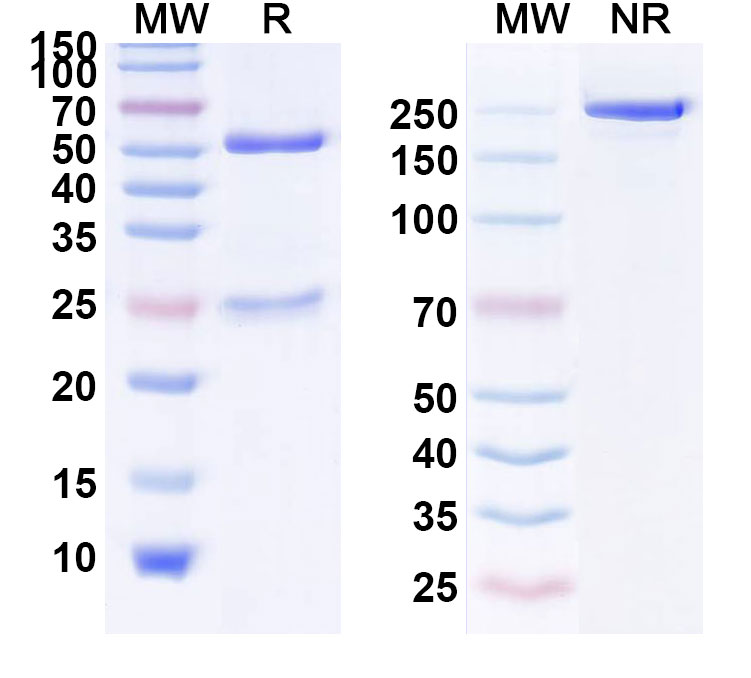
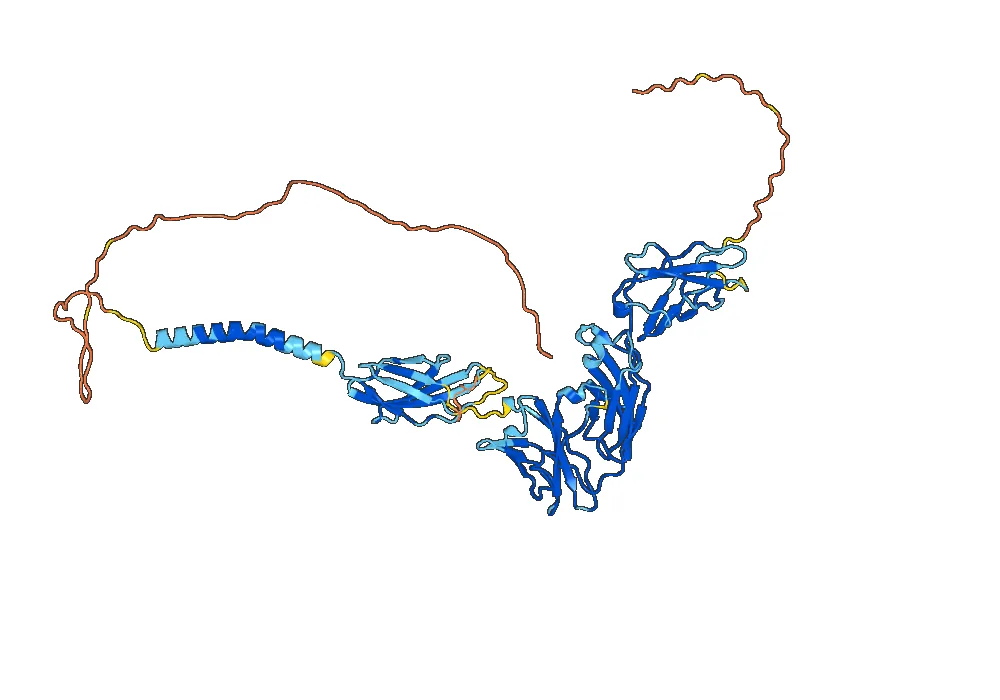
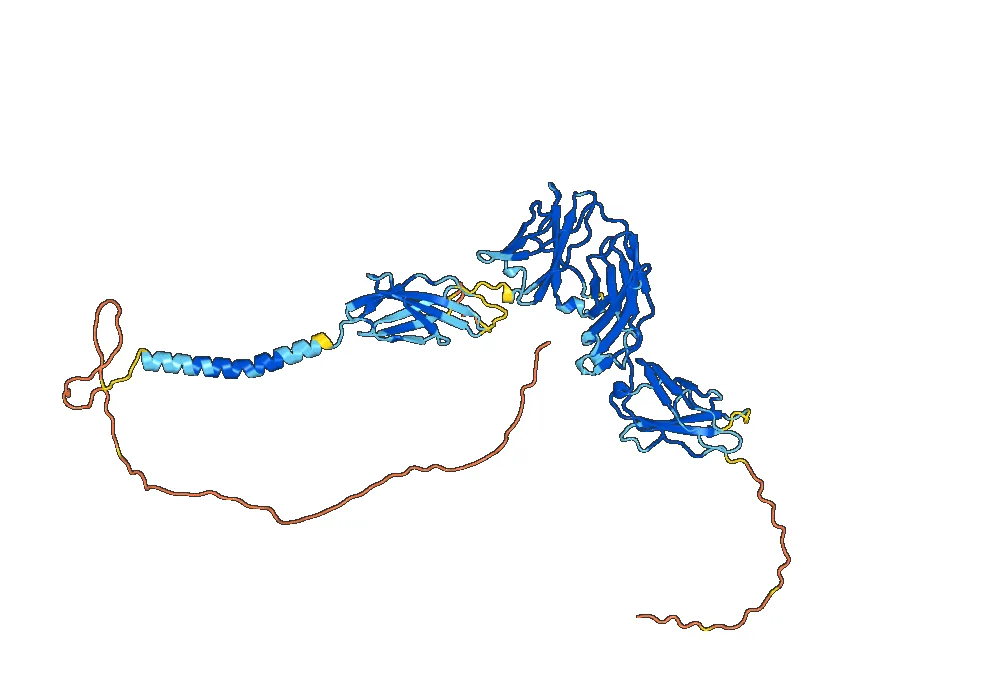
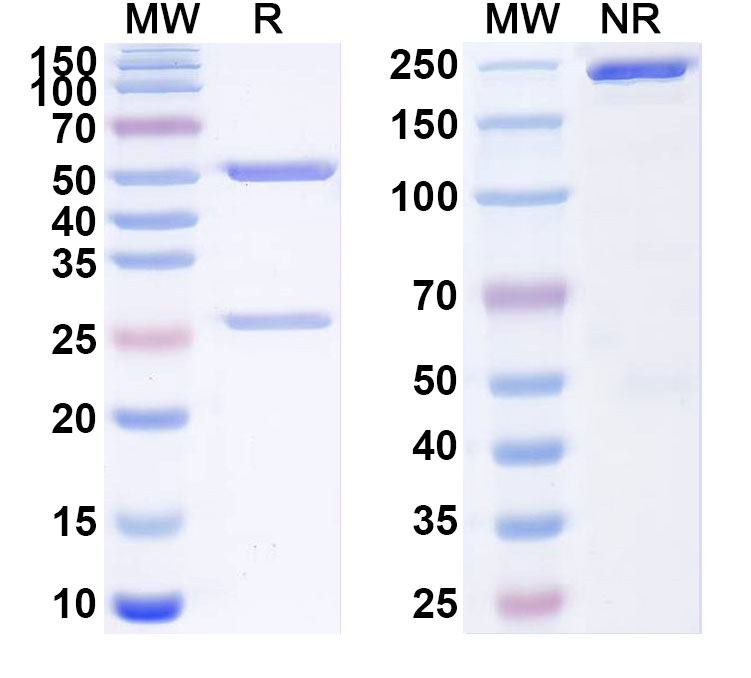
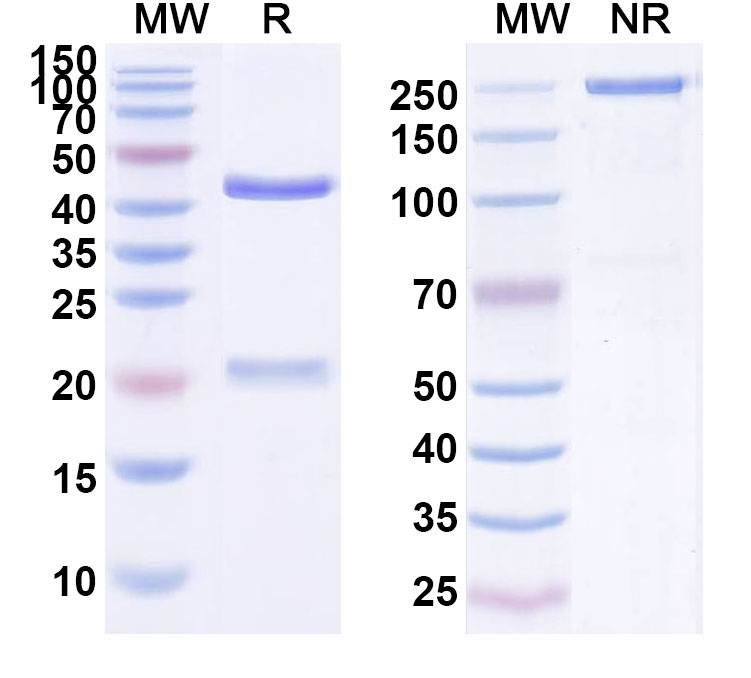
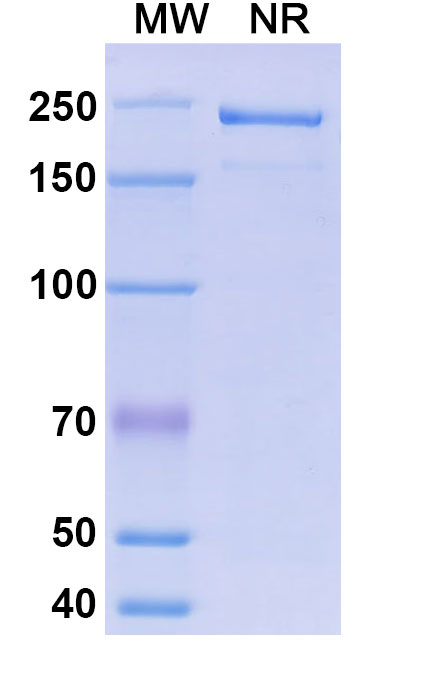
Faralimomab Biosimilar is a recombinant humanized monoclonal antibody, meaning it is produced in a laboratory using recombinant DNA technology. It is composed of two heavy chains and two light chains, which are connected by disulfide bonds. The antibody has a molecular weight of approximately 150 kDa and belongs to the immunoglobulin G (IgG) class.
Activity of Faralimomab Biosimilar
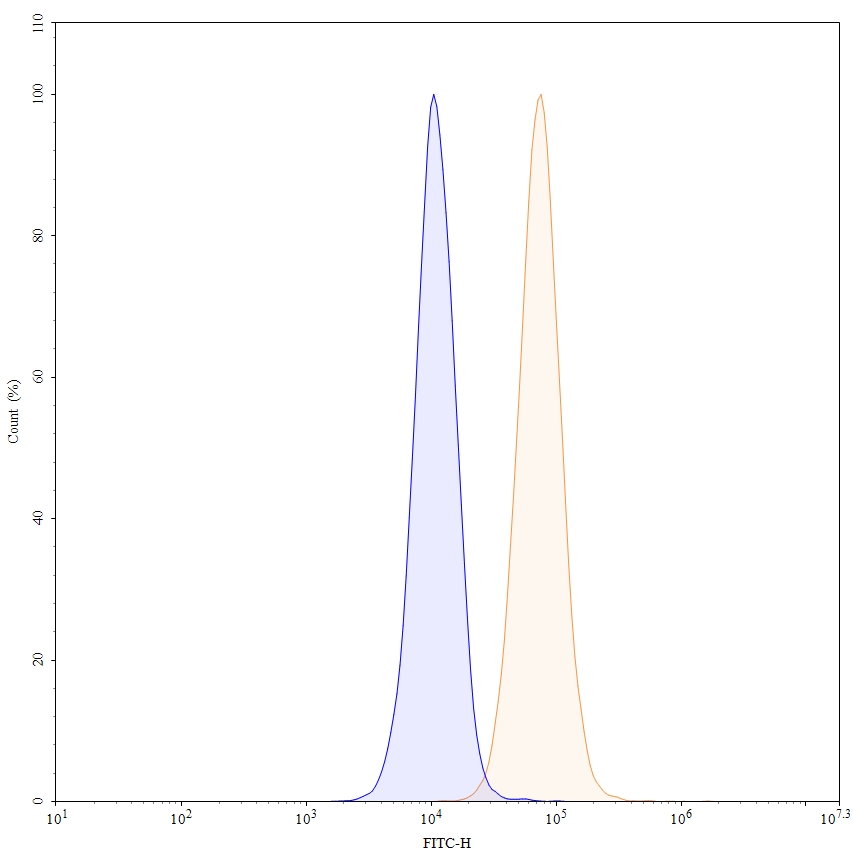
Faralimomab Biosimilar exerts its activity by specifically binding to IFNA1, a type I interferon that plays a crucial role in the immune response against viral infections. When IFNA1 binds to its receptor, it triggers a cascade of events that lead to the activation of immune cells and the production of antiviral proteins. However, in certain autoimmune diseases, such as systemic lupus erythematosus and rheumatoid arthritis, there is an overproduction of IFNA1, leading to chronic inflammation and tissue damage. Faralimomab Biosimilar works by blocking the binding of IFNA1 to its receptor, thereby reducing the inflammatory response and potentially improving the symptoms of these diseases.
Therapeutic Applications of Faralimomab Biosimilar
Faralimomab Biosimilar has shown promising results in various pre-clinical and clinical studies, making it a potential therapeutic option for several diseases. Some of the key therapeutic applications of this antibody are discussed below.
Autoimmune Diseases
As mentioned earlier, Faralimomab Biosimilar has shown potential in treating autoimmune diseases, particularly those associated with elevated levels of IFNA1. In a phase II clinical trial, it was found to significantly reduce disease activity in patients with systemic lupus erythematosus. Additionally, in a phase I study, it showed promising results in patients with rheumatoid arthritis, with a reduction in inflammatory markers and improvement in disease symptoms.
Viral Infections
IFNA1 is a key player in the immune response against viral infections. By blocking its activity, Faralimomab Biosimilar has the potential to reduce the severity and duration of viral infections. In a pre-clinical study, it was found to improve survival and reduce viral load in mice infected with influenza virus. It has also shown promising results in treating viral hepatitis in a phase II clinical trial.
Cancer
Recent studies have shown that IFNA1 plays a role in promoting tumor growth and suppressing the immune response against cancer cells. By targeting IFNA1, Faralimomab Biosimilar has the potential to inhibit tumor growth and enhance the anti-tumor immune response. In a pre-clinical study, it was found to inhibit the growth of breast cancer cells and enhance the activity of immune cells against cancer cells.
Conclusion
In summary, Faralimomab Biosimilar is a recombinant humanized monoclonal antibody that specifically targets IFNA1. It has shown promising results in various pre-clinical and clinical studies for the treatment of autoimmune diseases, viral infections, and cancer. With further research and development, this antibody has the potential to become a valuable therapeutic option for these diseases.


There are no reviews yet.