Gimsilumab Biosimilar: A Promising Antibody Targeting GM-CSF
Gimsilumab Biosimilar, also known as Anti-CSF2, is a research grade monoclonal antibody (mAb) that specifically targets granulocyte-macrophage colony-stimulating factor (GM-CSF). This antibody has shown great potential in the treatment of various inflammatory and autoimmune diseases, making it a promising therapeutic target.
Structure of Gimsilumab Biosimilar
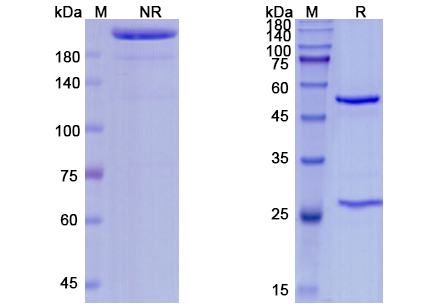
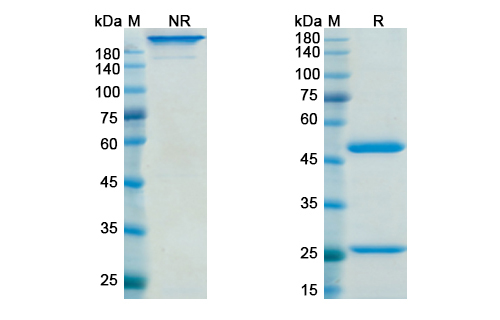
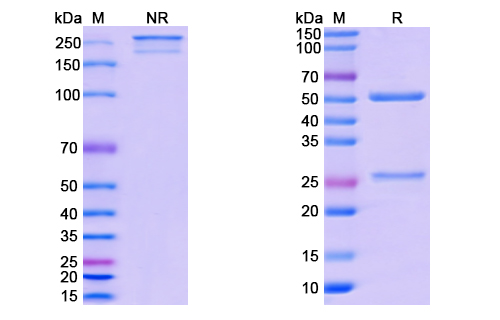
Gimsilumab Biosimilar is a fully human IgG1 monoclonal antibody, produced through recombinant DNA technology. It consists of two heavy chains and two light chains, each containing a variable region that specifically binds to GM-CSF. The constant region of the antibody allows for interactions with immune cells and other components of the immune system.
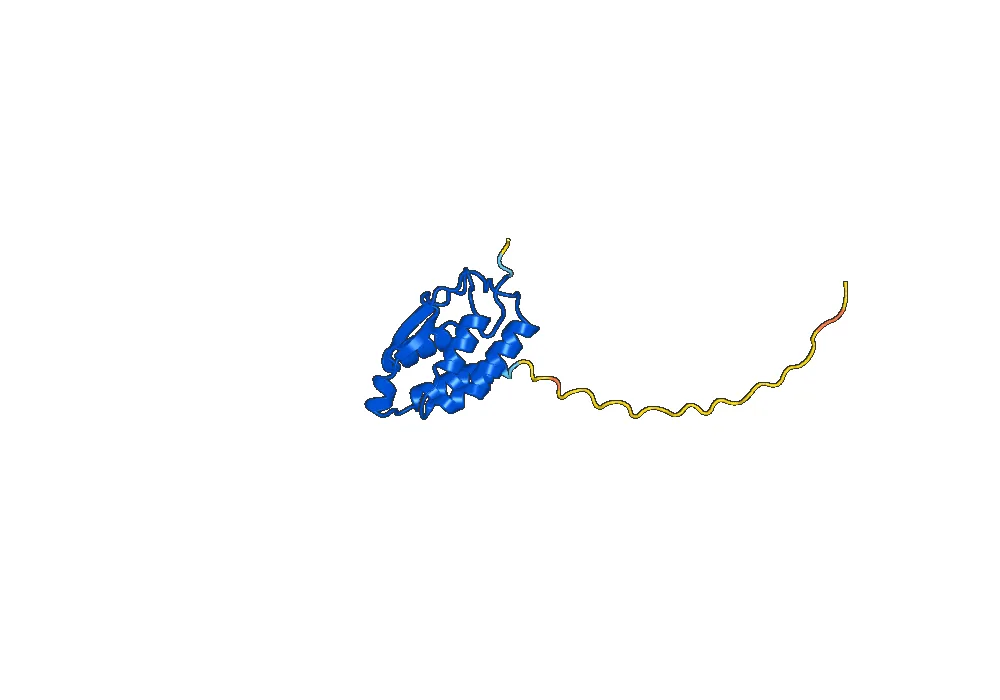
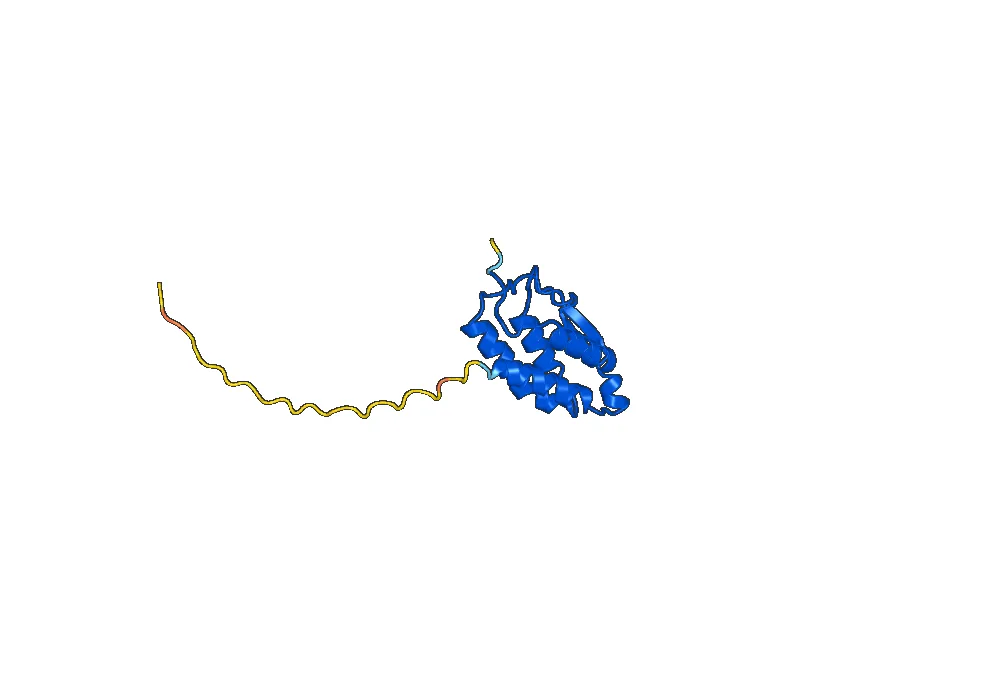
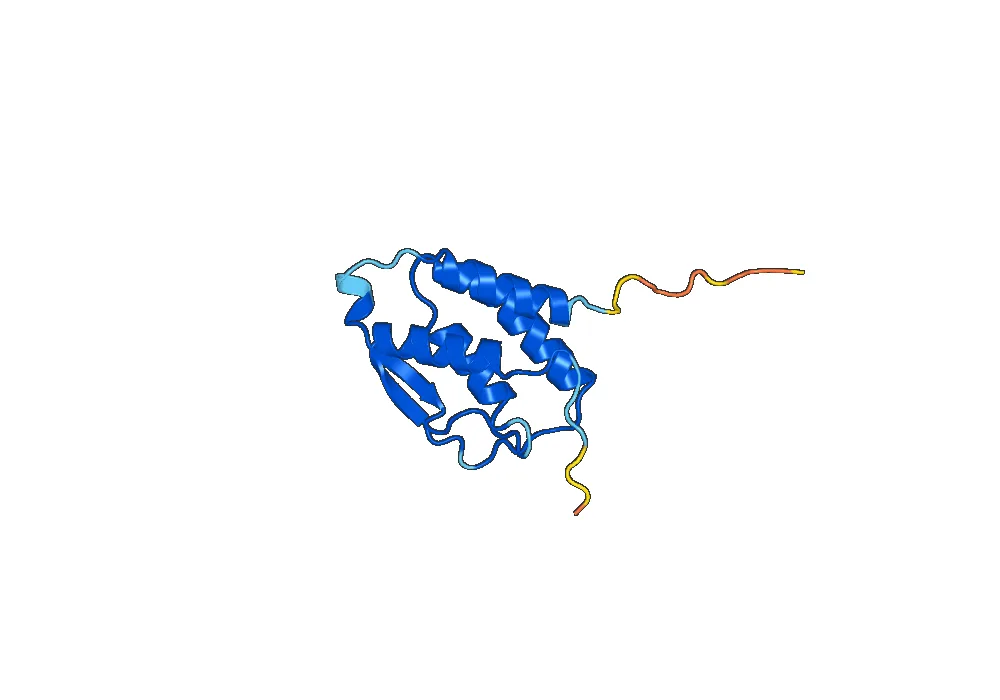
The crystal structure of Gimsilumab Biosimilar has been extensively studied, revealing the precise binding site of the antibody on GM-CSF. This information has helped in the development of more potent versions of the antibody, with improved binding affinity and specificity.
Activity of Gimsilumab Biosimilar
Gimsilumab Biosimilar exerts its activity by specifically binding to GM-CSF, a cytokine that plays a crucial role in the development and function of immune cells. By binding to GM-CSF, Gimsilumab Biosimilar blocks its interaction with its receptor, inhibiting the downstream signaling pathways that lead to inflammation and autoimmune responses.
In preclinical studies, Gimsilumab Biosimilar has shown to effectively reduce the levels of pro-inflammatory cytokines, such as interleukin-6 and tumor necrosis factor-alpha, in various disease models. This highlights the potential of this antibody in treating a wide range of inflammatory and autoimmune conditions.
Application of Gimsilumab Biosimilar
Gimsilumab Biosimilar has shown promising results in preclinical studies and is currently being evaluated in clinical trials for the treatment of different inflammatory and autoimmune diseases. Some of the conditions being targeted include rheumatoid arthritis, asthma, and multiple sclerosis.
In a phase II clinical trial for rheumatoid arthritis, Gimsilumab Biosimilar demonstrated a significant reduction in disease activity and improved symptoms in patients who had an inadequate response to traditional therapies. This suggests that Gimsilumab Biosimilar could be a potential treatment option for patients with this debilitating condition.
Furthermore, Gimsilumab Biosimilar has also shown promising results in treating asthma, a chronic respiratory disease characterized by airway inflammation. In a phase II clinical trial, Gimsilumab Biosimilar significantly reduced asthma exacerbations and improved lung function in patients with severe asthma. This highlights the potential of this antibody in managing severe and difficult-to-treat asthma cases.
Conclusion
Gimsilumab Biosimilar, a research grade monoclonal antibody targeting GM-CSF, has shown great potential in the treatment of various inflammatory and autoimmune diseases. Its specific binding to GM-CSF and subsequent inhibition of inflammatory pathways make it a promising therapeutic target. With ongoing clinical trials and further research, Gimsilumab Biosimilar has the potential to provide relief to patients suffering from a wide range of chronic and debilitating conditions.

There are no reviews yet.