Gresonitamab Biosimilar – Anti-CLDN18 & CD3e mAb – Research Grade Introduction
Gresonitamab Biosimilar is a monoclonal antibody that targets the proteins CLDN18 and CD3e. It is a research grade antibody that has shown promising results in preclinical studies for the treatment of various cancers. In this article, we will discuss the structure, activity, and potential applications of Gresonitamab Biosimilar.
Structure of Gresonitamab Biosimilar
Gresonitamab Biosimilar is a chimeric monoclonal antibody, meaning it is composed of both human and mouse components. The antibody is made up of two parts – a variable region and a constant region. The variable region is responsible for binding to its targets, CLDN18 and CD3e, while the constant region is responsible for the antibody’s effector functions.
The variable region of Gresonitamab Biosimilar is derived from a mouse monoclonal antibody, while the constant region is derived from a human monoclonal antibody. This allows for the antibody to have a high affinity for its targets and also reduces the risk of immune reactions when administered to patients.
Activity of Gresonitamab Biosimilar
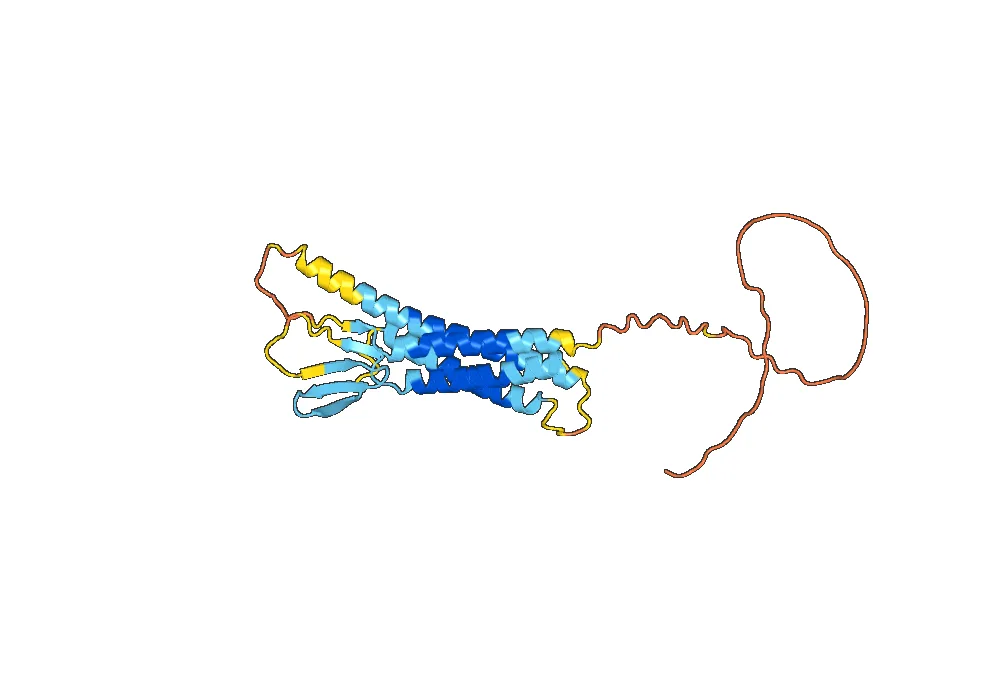
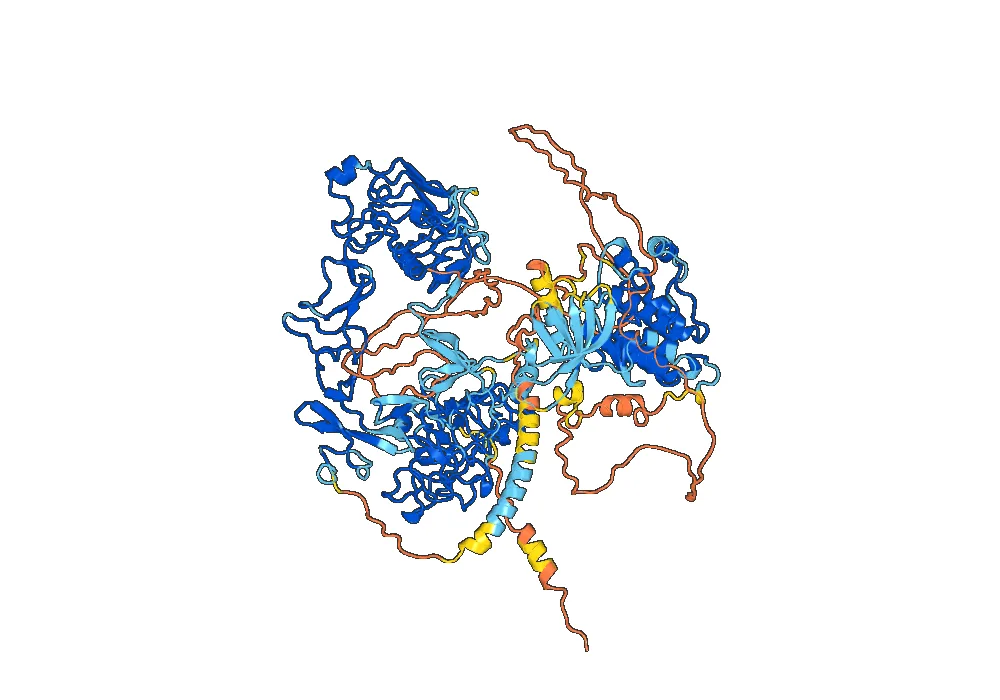
Gresonitamab Biosimilar works by binding to two different proteins – CLDN18 and CD3e. CLDN18 is a protein that is overexpressed in various types of cancer, including gastric, pancreatic, and esophageal cancer. By binding to CLDN18, Gresonitamab Biosimilar can block its activity and inhibit the growth of cancer cells.
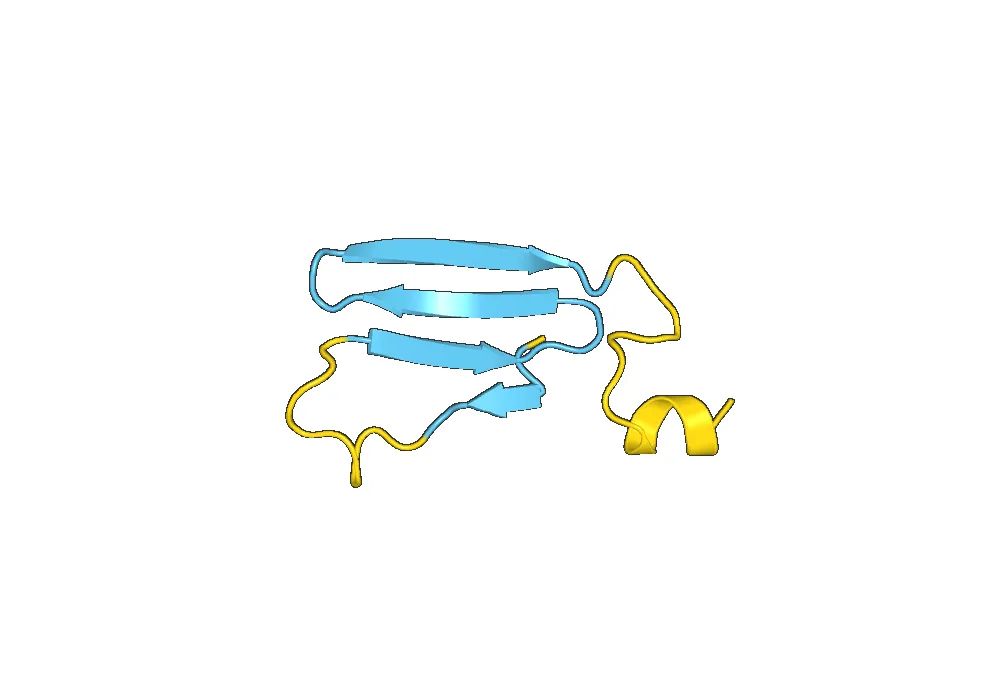
CD3e, on the other hand, is a protein found on the surface of T cells. By binding to CD3e, Gresonitamab Biosimilar can activate T cells and trigger an immune response against cancer cells. This is known as antibody-dependent cell-mediated cytotoxicity (ADCC) and is one of the main mechanisms of action for Gresonitamab Biosimilar.
Therapeutic Applications of Gresonitamab Biosimilar
Gresonitamab Biosimilar has shown promising results in preclinical studies for the treatment of various cancers. Its dual mechanism of action makes it a potential therapeutic option for different types of cancer that overexpress CLDN18 and have a high presence of T cells in the tumor microenvironment.
One of the main advantages of Gresonitamab Biosimilar is its potential to overcome resistance to other treatments. For example, in gastric cancer, Gresonitamab Biosimilar has shown to be effective in tumors that are resistant to chemotherapy and other targeted therapies.
Another potential application of Gresonitamab Biosimilar is in combination with other treatments. Preclinical studies have shown that Gresonitamab Biosimilar can enhance the activity of other anti- cancer agents, such as checkpoint inhibitors, leading to a more robust and effective immune response against cancer cells.
Conclusion
In summary, Gresonitamab Biosimilar is a chimeric monoclonal antibody that targets CLDN18 and CD3e. Its unique structure and dual mechanism of action make it a promising therapeutic option for various types of cancer. Further clinical studies are needed to fully evaluate the potential of Gresonitamab Biosimilar in the treatment of cancer.
There are no reviews yet.