Structure of Human CD166/ALCAM HEK293T Stable Cell Line
The Human CD166/ALCAM HEK293T Stable Cell Line is a valuable tool for studying the structure, activity, and potential therapeutic applications of the human CD166/ALCAM protein. This stable cell line is derived from HEK293T cells, which are a human embryonic kidney cell line commonly used in biomedical research. The stable expression of CD166/ALCAM in these cells allows for the study of its role in various cellular processes and its potential as a therapeutic target.
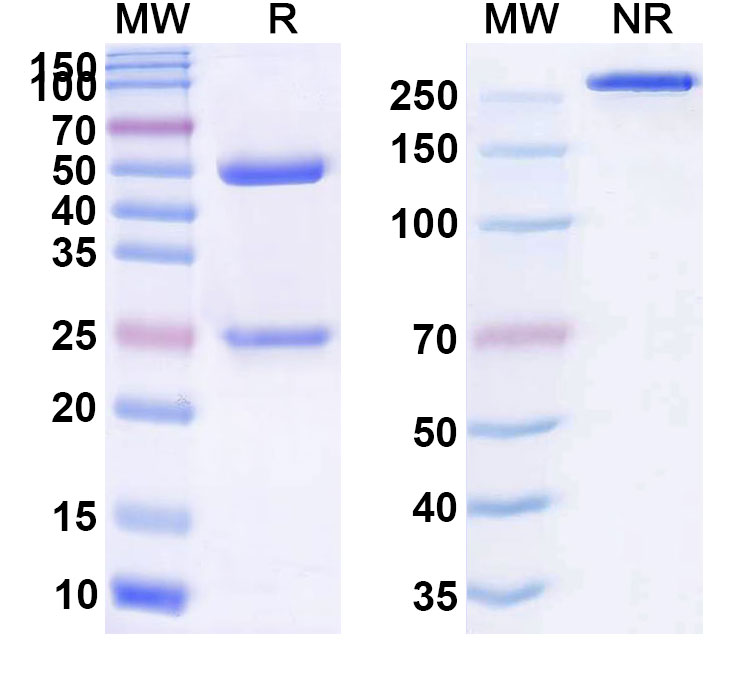
CD166/ALCAM, also known as activated leukocyte cell adhesion molecule, is a transmembrane glycoprotein that belongs to the immunoglobulin superfamily. It is composed of a single polypeptide chain with a molecular weight of approximately 105 kDa. The protein consists of three extracellular immunoglobulin-like domains, a transmembrane domain, and a short cytoplasmic tail. The extracellular domain of CD166/ALCAM contains binding sites for various ligands, including CD6, CD166, and integrins, which are involved in cell-cell adhesion and signaling pathways.
Activity of Human CD166/ALCAM HEK293T Stable Cell Line
The Human CD166/ALCAM HEK293T Stable Cell Line expresses the full-length, wild-type form of CD166/ALCAM, allowing for the study of its activity in various cellular processes. CD166/ALCAM is known to play a crucial role in cell adhesion, migration, and signaling, making it a key player in processes such as immune response, tissue development, and cancer progression. The stable expression of CD166/ALCAM in HEK293T cells allows for the investigation of its function in these processes and the identification of potential therapeutic targets.
One of the main activities of CD166/ALCAM is its role in cell-cell adhesion. This protein is expressed on the surface of various cell types, including leukocytes, endothelial cells, and epithelial cells, and plays a critical role in their adhesion to each other. This adhesion is mediated by the interaction of CD166/ALCAM with its ligands, such as CD6 and CD166, on neighboring cells. The HEK293T stable cell line provides a valuable tool for studying the mechanisms of this adhesion and its role in various physiological and pathological processes.
CD166/ALCAM is also involved in cell signaling pathways, particularly in the activation of the Wnt signaling pathway. This pathway plays a crucial role in tissue development and homeostasis, and aberrant activation of this pathway has been linked to various diseases, including cancer. The stable expression of CD166/ALCAM in HEK293T cells allows for the investigation of its role in the Wnt signaling pathway and its potential as a therapeutic target for diseases associated with dysregulation of this pathway.
Application of Human CD166/ALCAM HEK293T Stable Cell Line
The Human CD166/ALCAM HEK293T Stable Cell Line has various applications in biomedical research, particularly in the study of cell adhesion, migration, and signaling. One of the main applications of this stable cell line is in flow cytometry, a technique used to identify and analyze cells based on their surface markers. The stable expression of CD166/ALCAM in HEK293T cells allows for the use of this cell line as a positive control in flow cytometry experiments, providing a reliable and consistent source of CD166/ALCAM-expressing cells.
In addition to its use in flow cytometry, the Human CD166/ALCAM HEK293T Stable Cell Line has potential therapeutic applications. CD166/ALCAM has been identified as a potential therapeutic target for various diseases, including cancer. The stable expression of CD166/ALCAM in HEK293T cells allows for the screening of potential drugs or compounds that can modulate its activity and potentially inhibit disease progression.


There are no reviews yet.