Introduction
The Human CD33 HEK293T Stable Cell Line is a valuable tool for studying the structure, activity, and potential therapeutic applications of the CD33 protein. This stable cell line is derived from human embryonic kidney (HEK) cells and has been genetically modified to stably express the CD33 protein. In this article, we will discuss the structure of CD33, its activity in the immune system, and its potential as a therapeutic target. We will also highlight the advantages of using the Human CD33 HEK293T Stable Cell Line in research, particularly in flow cytometry studies.
Structure of CD33
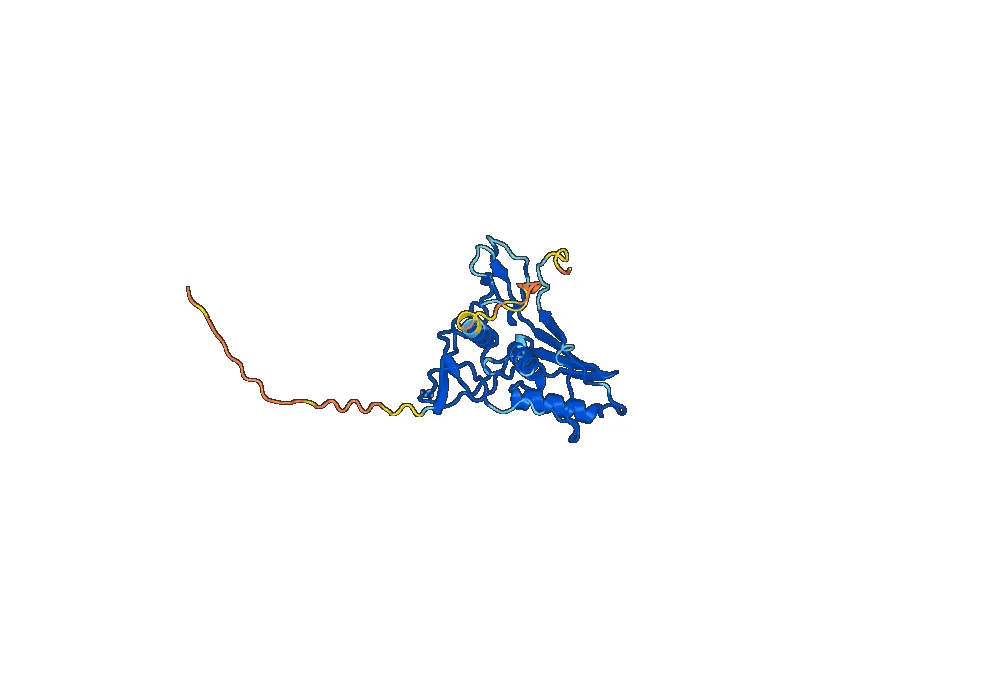
CD33 is a transmembrane protein that belongs to the sialic acid-binding immunoglobulin-like lectin (SIGLEC) family. It is primarily expressed on the surface of myeloid cells, including monocytes, macrophages, and dendritic cells. The CD33 protein consists of an extracellular region, a transmembrane domain, and a cytoplasmic tail. The extracellular region contains two immunoglobulin-like domains and a sialic acid-binding domain, which allows CD33 to bind to sialic acid-containing glycans on other cells.
Activity of CD33
CD33 is a multifunctional protein that plays a role in regulating immune responses. It has been shown to inhibit the activation and proliferation of T cells, as well as the phagocytosis and cytokine production of macrophages. This suggests that CD33 may have a suppressive role in the immune system. Additionally, CD33 has been found to interact with other proteins involved in immune signaling, such as Siglec-10 and Siglec-16, further highlighting its importance in immune regulation.
Therapeutic Target
Due to its role in immune regulation, CD33 has emerged as a potential therapeutic target for various diseases. In particular, CD33 has been implicated in the pathogenesis of acute myeloid leukemia (AML), a type of blood cancer that affects myeloid cells. CD33 is highly expressed on the surface of leukemic cells in AML patients, making it an attractive target for therapy. Several studies have shown promising results using CD33-targeted therapies, such as antibody-drug conjugates and chimeric antigen receptor (CAR) T cell therapy, in treating AML.
Advantages of the Human CD33 HEK293T Stable Cell Line
The Human CD33 HEK293T Stable Cell Line offers several advantages for studying CD33 and its potential as a therapeutic target. Firstly, this stable cell line provides a consistent and reliable source of CD33 protein, eliminating the need for repeated isolation and purification from primary cells. This also ensures that the CD33 protein expressed by the cell line is biologically relevant and accurately reflects its structure and function in vivo.
Furthermore, the Human CD33 HEK293T Stable Cell Line is ideal for flow cytometry studies. Flow cytometry is a powerful technique that allows for the analysis of individual cells based on their physical and biochemical properties. Using the stable cell line, researchers can easily label and analyze the CD33 protein on the surface of cells, providing valuable insights into its expression and function.
Conclusion
In summary, the Human CD33 HEK293T Stable Cell Line is a valuable tool for studying the structure, activity, and potential therapeutic applications of CD33. Its stable expression of CD33 and suitability for flow cytometry make it an ideal model for investigating the role of CD33 in the immune system and its potential as a therapeutic target. With ongoing research and development, the Human CD33 HEK293T Stable Cell Line may contribute to the development of novel treatments for diseases such as AML.

There are no reviews yet.