Introduction
The Human GPRC5D CHO Stable Cell Line is a valuable tool for studying the structure, activity, and potential therapeutic applications of the G protein-coupled receptor 5D (GPRC5D) protein. This cell line is derived from Chinese hamster ovary (CHO) cells, a widely used cell line in biopharmaceutical research. In this article, we will explore the key features of the Human GPRC5D CHO Stable Cell Line and its potential applications in the field of drug discovery.
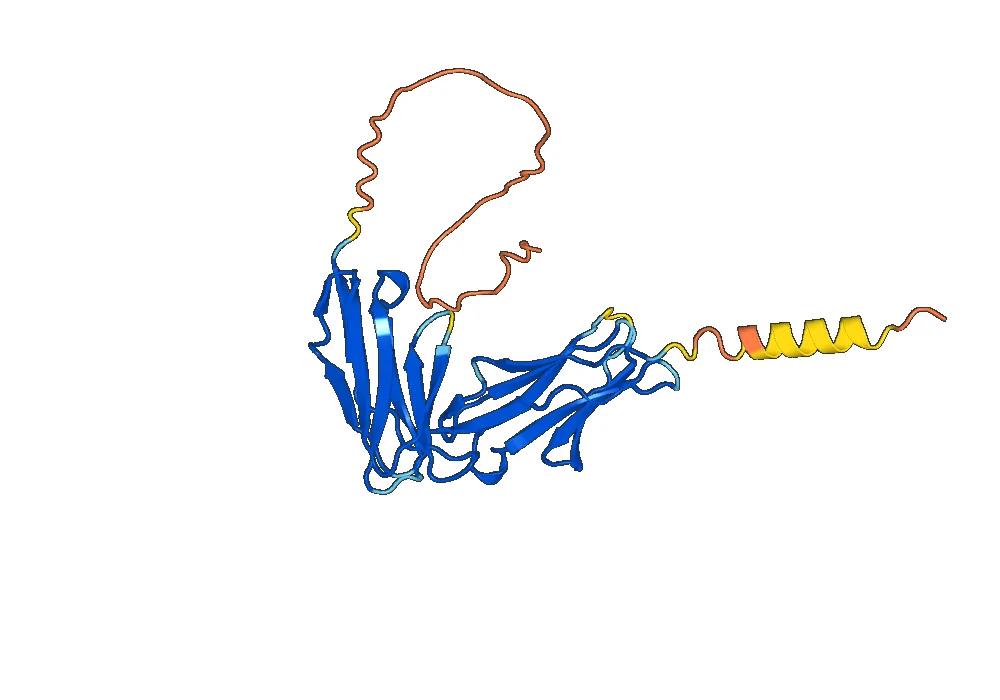
Structure of GPRC5D
GPRC5D is a member of the G protein-coupled receptor (GPCR) superfamily, which is one of the largest and most diverse protein families in the human genome. GPCRs are transmembrane proteins that play a crucial role in cellular signaling and are involved in a wide range of physiological processes. GPRC5D is a seven-transmembrane domain receptor that is predominantly expressed in immune cells, such as B cells and plasma cells.
Activity of GPRC5D
The exact function of GPRC5D is not fully understood, but it has been implicated in various cellular processes, including cell proliferation, differentiation, and survival. Recent studies have shown that GPRC5D may also play a role in the regulation of immune responses and the development of certain cancers. The Human GPRC5D CHO Stable Cell Line provides a valuable tool for further investigating the function of GPRC5D and its potential role in disease.
Application in Flow Cytometry
Flow cytometry is a powerful technique for analyzing and sorting cells based on their physical and chemical properties. It is commonly used in biomedical research for studying various cellular processes, including cell signaling, proliferation, and differentiation. The Human GPRC5D CHO Stable Cell Line is labeled with a fluorescent marker, allowing for easy detection and quantification of GPRC5D expression levels by flow cytometry. This makes it a valuable tool for studying the role of GPRC5D in different cell populations and for identifying potential therapeutic targets.
Potential Therapeutic Target
GPRC5D has emerged as a potential therapeutic target for the treatment of multiple myeloma, a type of cancer that affects plasma cells in the bone marrow. Studies have shown that GPRC5D is highly expressed on the surface of myeloma cells and plays a critical role in their survival and proliferation. The Human GPRC5D CHO Stable Cell Line can be used to study the effects of potential GPRC5D-targeted therapies on myeloma cells, providing valuable insights into the development of new treatments for this disease.
Conclusion
In summary, the Human GPRC5D CHO Stable Cell Line is a valuable tool for studying the structure, activity, and potential therapeutic applications of the GPRC5D protein. Its use in flow cytometry and its potential as a therapeutic target make it an essential resource for researchers in the field of drug discovery. Further studies using this cell line may provide valuable insights into the role of GPRC5D in various diseases and aid in the development of new treatments.

There are no reviews yet.