Introduction
The Human MICA HEK293T Stable Cell Line is a valuable tool for studying the structure, activity, and potential therapeutic applications of the human MICA protein. This cell line is derived from HEK293T cells, a commonly used human embryonic kidney cell line, and has been stably transfected with the MICA gene. In this article, we will discuss the structure and function of MICA, the characteristics of the Human MICA HEK293T Stable Cell Line, and its potential as a therapeutic target.
Structure of MICA
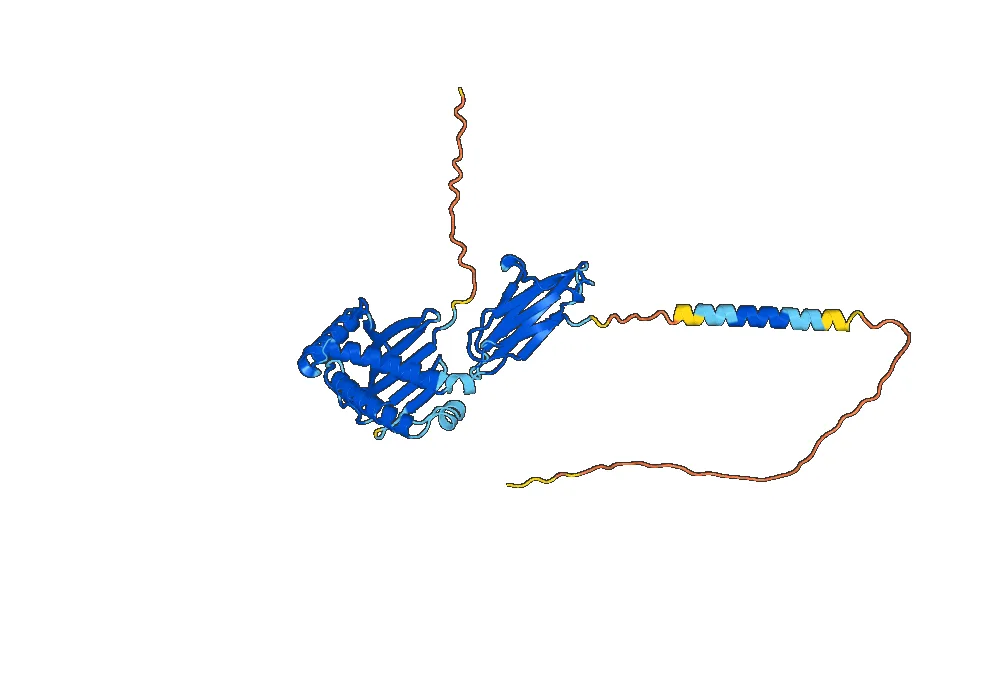
MICA (MHC class I polypeptide-related sequence A) is a glycoprotein that belongs to the MHC class I family. It is encoded by the MICA gene, located on chromosome 6 in humans. MICA is expressed on the surface of many different cell types, including epithelial cells, fibroblasts, and endothelial cells. The protein is composed of three extracellular domains, a transmembrane domain, and a cytoplasmic tail. The extracellular domains are responsible for binding to receptors on immune cells, while the cytoplasmic tail is involved in signal transduction.
Activity of MICA
MICA plays a crucial role in the immune system by activating natural killer (NK) cells and cytotoxic T lymphocytes (CTLs) via its interaction with the NKG2D receptor. This interaction triggers the release of cytokines and cytotoxic granules, leading to the killing of infected or transformed cells. MICA is also involved in the regulation of immune responses, as it can induce the production of anti-inflammatory cytokines and inhibit the proliferation of regulatory T cells. In addition, MICA has been shown to promote the differentiation and activation of dendritic cells, which play a key role in initiating immune responses.
Characteristics of Human MICA HEK293T Stable Cell Line
The Human MICA HEK293T Stable Cell Line is a reliable and consistent source of MICA protein. The cells are stably transfected with the MICA gene, ensuring a high level of MICA expression. The cell line is maintained in a selective medium, which allows for the continuous production of MICA. The cells are also tested for mycoplasma contamination to ensure the purity of the cell line. The stable expression of MICA in this cell line makes it a valuable tool for studying the function of MICA and its potential as a therapeutic target.
Application as a Therapeutic Target
MICA has been identified as a potential therapeutic target in various diseases, including cancer and autoimmune disorders. In cancer, MICA expression has been found to be upregulated in many types of tumors, and this overexpression has been associated with poor prognosis. Targeting MICA with monoclonal antibodies or other inhibitors could potentially inhibit tumor growth and improve patient outcomes. In autoimmune disorders, MICA has been shown to play a role in the pathogenesis of diseases such as rheumatoid arthritis and multiple sclerosis. Targeting MICA could potentially modulate immune responses and alleviate symptoms in these conditions.
Flow Cytometry Analysis
Flow cytometry is a powerful technique for analyzing the expression of cell surface proteins, such as MICA. The Human MICA HEK293T Stable Cell Line can be used for flow cytometry analysis to determine the level of MICA expression on the cell surface. This allows for the characterization of MICA expression in different cell types and under different conditions, providing valuable insights into the regulation of MICA expression and its role in various diseases.
Conclusion
The Human MICA HEK293T Stable Cell Line is a valuable tool for studying the structure, activity, and potential therapeutic applications of MICA. Its stable expression of MICA and its ability to be analyzed by flow cytometry make it a useful model for understanding the role of MICA in the immune system and in disease.


There are no reviews yet.