Introduction
The Human VIPR1/VPAC1 HEK293T Stable Cell Line is a valuable tool for studying the structure, activity, and potential therapeutic applications of the VIPR1 and VPAC1 receptors. These receptors are members of the vasoactive intestinal peptide (VIP) receptor family and play important roles in regulating various physiological processes, including immune response, inflammation, and neurotransmission.
Structure of VIPR1 and VPAC1 Receptors
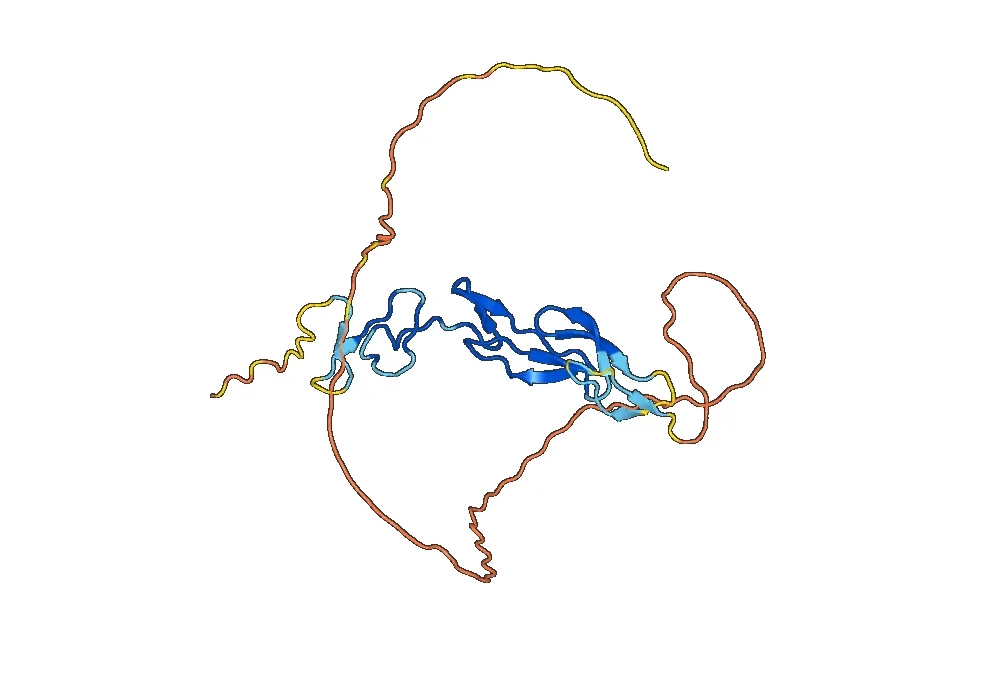
The VIPR1 and VPAC1 receptors are G protein-coupled receptors (GPCRs) that are expressed on the cell surface. They are composed of seven transmembrane domains, an extracellular N-terminus, and an intracellular C-terminus. Both receptors have a high affinity for VIP, a neuropeptide that is involved in a wide range of biological functions.
Activity of VIPR1 and VPAC1 Receptors
The VIPR1 and VPAC1 receptors are activated by the binding of VIP, which leads to the activation of downstream signaling pathways. Upon activation, these receptors can stimulate the production of cyclic adenosine monophosphate (cAMP) and activate protein kinase A (PKA). They can also activate other signaling pathways, including the phosphoinositide 3-kinase (PI3K) and mitogen-activated protein kinase (MAPK) pathways.
The activity of VIPR1 and VPAC1 receptors is tightly regulated by various mechanisms, including desensitization, internalization, and downregulation. These processes help maintain the balance and sensitivity of these receptors in response to different levels of VIP stimulation.
Application of Human VIPR1/VPAC1 HEK293T Stable Cell Line
The Human VIPR1/VPAC1 HEK293T Stable Cell Line is a valuable tool for studying the structure and activity of VIPR1 and VPAC1 receptors. This cell line is stably transfected with the human VIPR1 and VPAC1 genes, allowing for the expression of these receptors on the cell surface.
One of the main applications of this cell line is in drug discovery and development. As VIPR1 and VPAC1 receptors have been identified as potential therapeutic targets for various diseases, this cell line can be used to screen and identify compounds that can modulate the activity of these receptors. This can aid in the development of new drugs for diseases such as asthma, inflammatory bowel disease, and cancer.
Additionally, the Human VIPR1/VPAC1 HEK293T Stable Cell Line can be used to study the downstream signaling pathways activated by these receptors. This can provide insight into the mechanisms of action of VIP and its receptors, as well as potential therapeutic targets for drug development.
Flow Cytometry Analysis
Flow cytometry is a powerful technique that can be used to analyze the expression and activity of VIPR1 and VPAC1 receptors in the Human VIPR1/VPAC1 HEK293T Stable Cell Line. This technique involves labeling the receptors with fluorescent antibodies and analyzing them using a flow cytometer. This allows for the quantification of receptor expression and the assessment of receptor activation in response to different stimuli.
Conclusion
The Human VIPR1/VPAC1 HEK293T Stable Cell Line is a valuable tool for studying the structure, activity, and potential therapeutic applications of VIPR1 and VPAC1 receptors. Its use in drug discovery and development, as well as in understanding the downstream signaling pathways of these receptors, can contribute to the development of new treatments for various diseases. Additionally, flow cytometry analysis of this cell line can provide valuable insights into the expression and activity of VIPR1 and VPAC1 receptors.

There are no reviews yet.