Introduction
Inezetamab Biosimilar, also known as Anti-CD40,MSLN mAb, is a novel monoclonal antibody that has gained attention in the field of cancer research due to its potential therapeutic applications. This biosimilar is designed to target two important proteins, CD40 and MSLN, which play crucial roles in the progression of various types of cancers. In this scientific description, we will delve into the structure, activity, and potential applications of Inezetamab Biosimilar.
Structure of Inezetamab Biosimilar
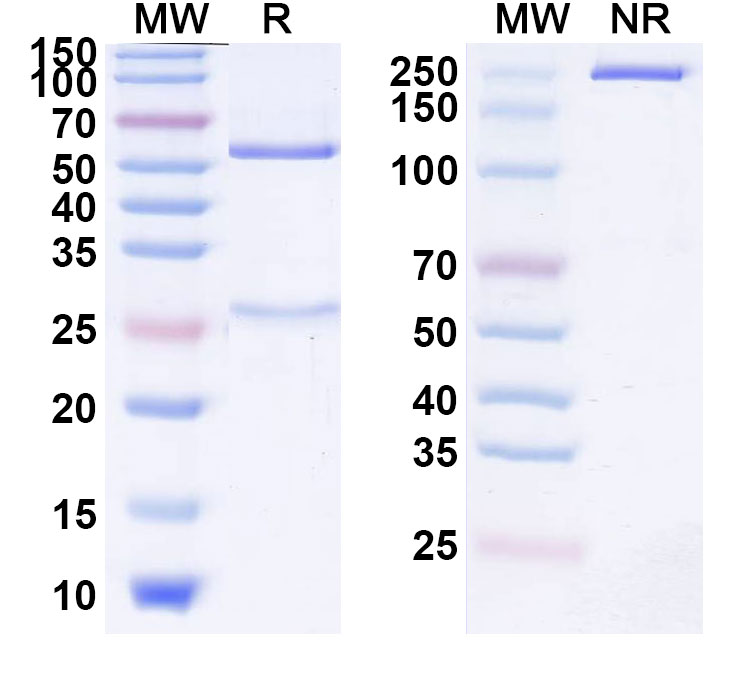
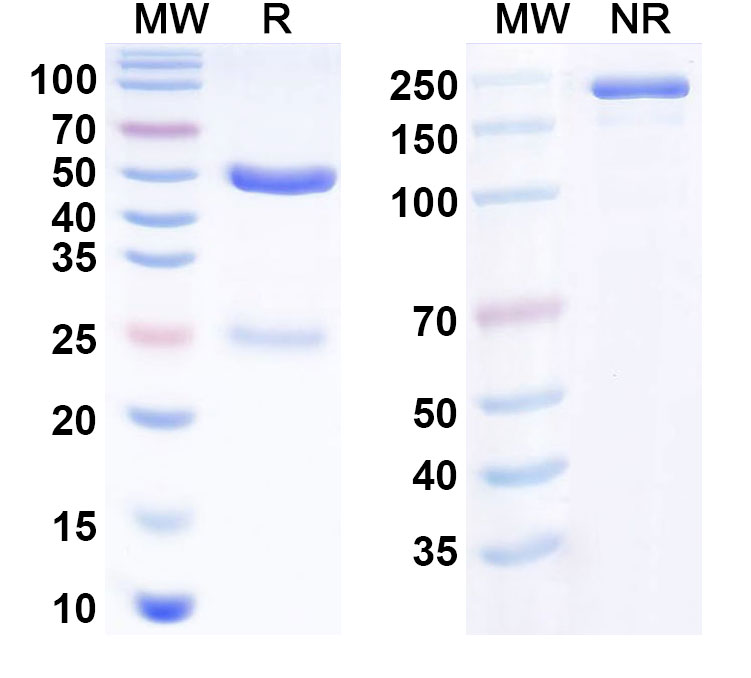
Inezetamab Biosimilar is a recombinant humanized monoclonal antibody, meaning it is produced in a laboratory using human genes. It is composed of two identical heavy chains and two identical light chains, each containing a variable region and a constant region. The variable region is responsible for binding to its target proteins, CD40 and MSLN, while the constant region determines the antibody’s effector functions.
Activity of Inezetamab Biosimilar
The primary target of Inezetamab Biosimilar is CD40, a cell surface protein found on immune cells such as B cells, dendritic cells, and macrophages. CD40 plays a crucial role in the activation and differentiation of these immune cells, making it an attractive therapeutic target for cancer treatment. By binding to CD40, Inezetamab Biosimilar can activate immune cells and enhance their anti-tumor activity.
In addition, Inezetamab Biosimilar also targets MSLN, a protein that is overexpressed in many types of cancers, including ovarian, lung, and pancreatic cancer. MSLN is involved in promoting tumor growth, invasion, and metastasis, making it a promising target for cancer therapy. By binding to MSLN, Inezetamab Biosimilar can inhibit its activity and potentially slow down the progression of cancer.
Potential Applications of Inezetamab Biosimilar
The dual targeting activity of Inezetamab Biosimilar makes it a promising candidate for the treatment of various types of cancers. It has shown potential in preclinical studies for the treatment of ovarian, lung, and pancreatic cancer, which are known to overexpress MSLN. Inezetamab Biosimilar has also shown promising results in combination with other cancer therapies, such as chemotherapy and immune checkpoint inhibitors.
One potential application of Inezetamab Biosimilar is in the treatment of ovarian cancer. Ovarian cancer is the fifth leading cause of cancer-related deaths in women, and current treatment options are limited. Inezetamab Biosimilar has shown promising results in preclinical studies by inhibiting MSLN and activating immune cells to target ovarian cancer cells.
Inezetamab Biosimilar also has potential applications in lung
cancer, which is the leading cause of cancer-related deaths worldwide. By targeting MSLN, Inezetamab Biosimilar can inhibit the growth and metastasis of lung cancer cells. In addition, its ability to activate immune cells can enhance the immune response against lung cancer cells.
Furthermore, Inezetamab Biosimilar has shown potential in the treatment of pancreatic cancer, one of the most aggressive and deadliest forms of cancer. By targeting MSLN, Inezetamab Biosimilar can inhibit the growth and spread of pancreatic cancer cells. Its ability to activate immune cells can also enhance the immune response against pancreatic cancer cells.
Conclusion
Inezetamab Biosimilar, also known as Anti-CD40,MSLN mAb, is a novel monoclonal antibody with dual targeting activity against CD40 and MSLN. Its unique structure and activity make it a promising candidate for the treatment of various types of cancers, including ovarian, lung, and pancreatic cancer. Further studies and clinical trials are needed to fully understand the potential of Inezetamab Biosimilar in cancer therapy. However, its promising results in preclinical studies make it a potential game-changer in the field of cancer research.


There are no reviews yet.