Introduction:
Lacutamab Biosimilar, also known as Anti-KIR3DL2 mAb, is a monoclonal antibody that targets the Killer cell Immunoglobulin-like Receptor 3DL2 (KIR3DL2) protein. It is a promising therapeutic candidate for the treatment of various types of cancer, particularly cutaneous T-cell lymphoma (CTCL). In this article, we will discuss the structure, activity, and potential applications of Lacutamab Biosimilar in the field of cancer research.
Structure of Lacutamab Biosimilar:
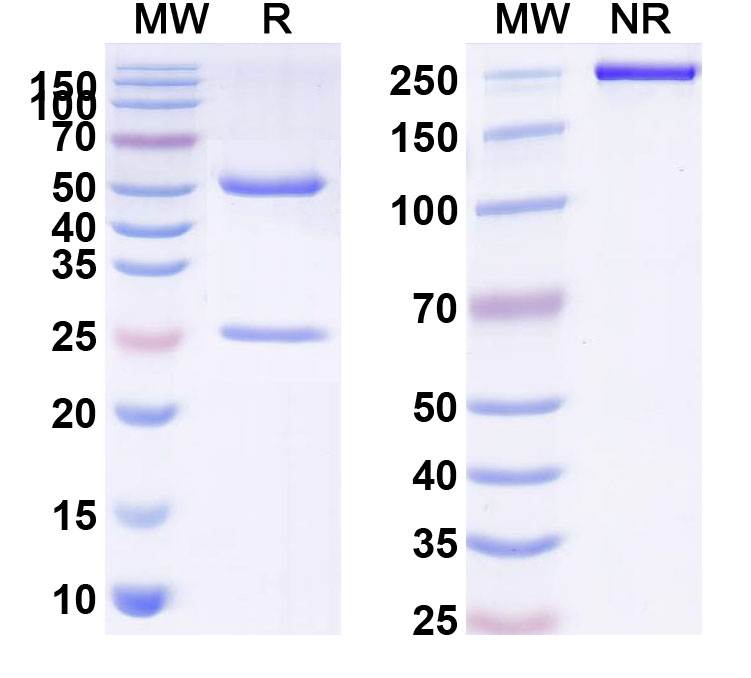
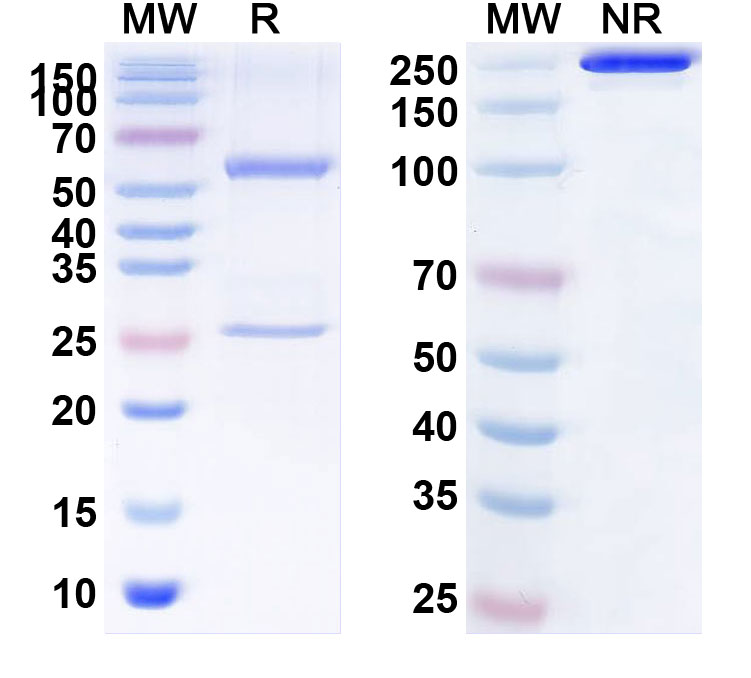
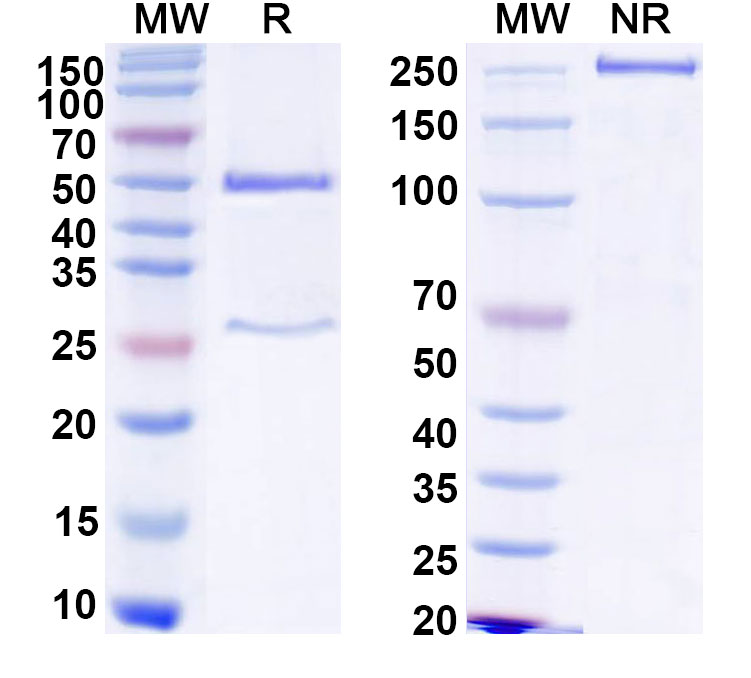
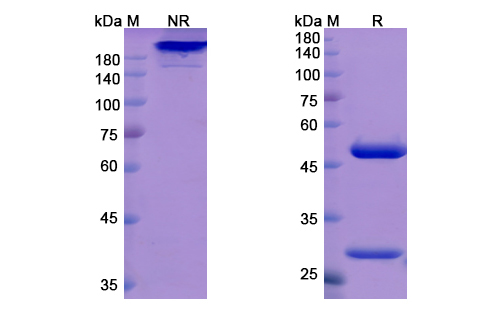
Lacutamab Biosimilar is a fully humanized monoclonal antibody, meaning it is derived from human cells and has a high affinity for its target protein. It is composed of two identical heavy chains and two identical light chains, each containing a variable region and a constant region. The variable region is responsible for binding to the KIR3DL2 protein, while the constant region provides stability and effector functions.
Activity of Lacutamab Biosimilar:
The primary mechanism of action of Lacutamab Biosimilar is through its binding to the KIR3DL2 protein, which is overexpressed in CTCL and other types of cancer. This binding leads to the activation of immune cells, particularly natural killer (NK) cells, which play a crucial role in the body’s defense against cancer. Upon binding, Lacutamab Biosimilar triggers a cascade of events that result in the destruction of cancer cells, including antibody-dependent cellular cytotoxicity (ADCC) and complement-dependent cytotoxicity (CDC).
In addition to its direct anti-
cancer activity, Lacutamab Biosimilar also has immunomodulatory effects. It has been shown to increase the production of pro-inflammatory cytokines and promote the differentiation of immune cells, leading to a more robust and targeted immune response against cancer cells.
Potential Applications of Lacutamab Biosimilar:
Lacutamab Biosimilar has shown promising results in preclinical and clinical studies for the treatment of CTCL, a rare type of non-Hodgkin’s lymphoma that affects the skin. CTCL is characterized by the abnormal growth of T-cells, and KIR3DL2 is highly expressed on these cancerous cells. By targeting KIR3DL2, Lacutamab Biosimilar can specifically target and eliminate these cancer cells, without harming healthy cells.
In addition to CTCL, Lacutamab Biosimilar has also shown potential in other types of cancer, including peripheral T-cell lymphoma and B-cell lymphoma. Its unique mechanism of action and ability to activate the immune system make it a promising candidate for combination therapy with other anti- cancer agents.
Research Grade Lacutamab Biosimilar:
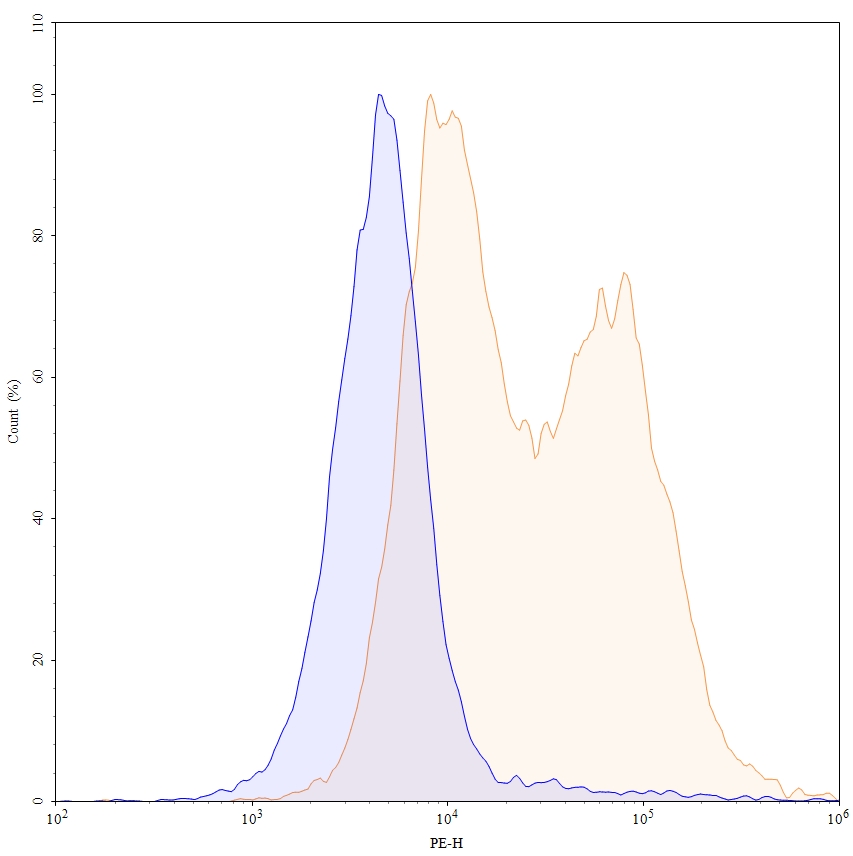
Apart from its potential as a therapeutic agent, Lacutamab Biosimilar is also available in a research-grade form for use in laboratory studies. This allows researchers to further investigate its mechanisms of action, optimize dosing regimens, and explore its potential in other types of cancer. The research-grade version of Lacutamab Biosimilar is also used in the development of diagnostic tests for KIR3DL2 expression, which can help identify patients who may benefit from this treatment.
Conclusion:
In summary, Lacutamab Biosimilar, also known as Anti-KIR3DL2 mAb, is a promising monoclonal antibody that targets the KIR3DL2 protein, which is overexpressed in various types of cancer. Its unique structure and mechanism of action make it a promising therapeutic candidate for the treatment of CTCL and other types of cancer. The availability of a research-grade version also allows for further investigation and potential applications in the field of cancer research.
There are no reviews yet.