Introduction to Lafuvitug Biosimilar – Anti-Envelope glycoprotein gp160 mAb
Lafuvitug Biosimilar – Anti-Envelope glycoprotein gp160 mAb is a research grade monoclonal antibody that has been developed as a biosimilar to the antibody Lafutuzumab. This biosimilar is specifically designed to target the envelope glycoprotein gp160, which is a key component of the human immunodeficiency virus (HIV). In this article, we will discuss the structure, activity, and potential applications of this biosimilar.
Structure of Lafuvitug Biosimilar – Anti-Envelope glycoprotein gp160 mAb
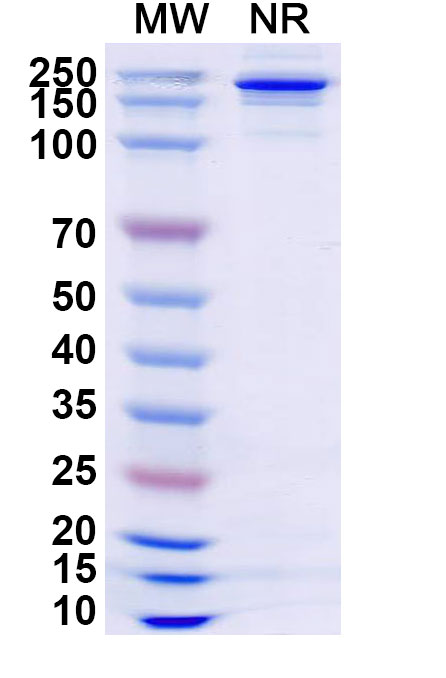
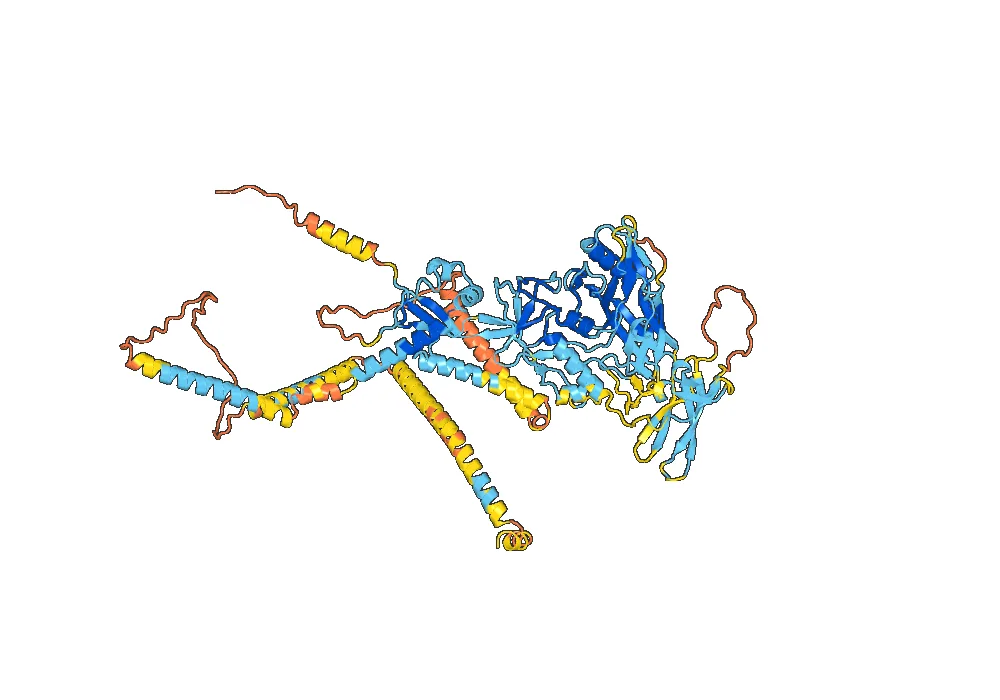
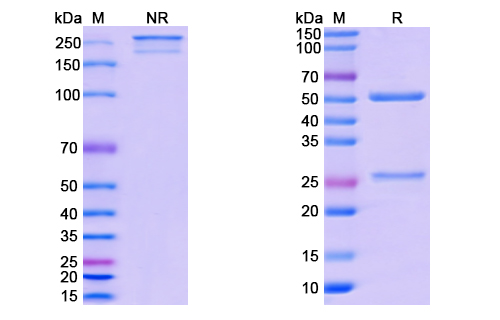
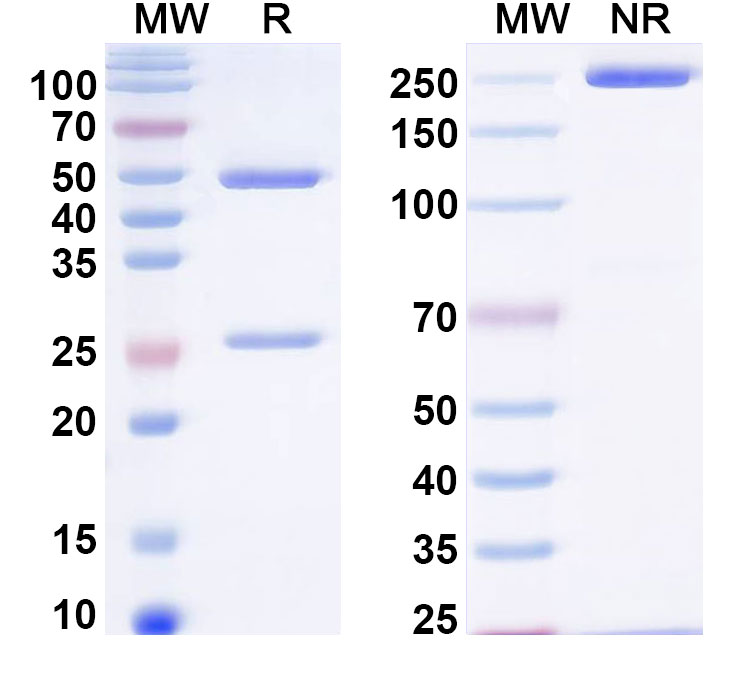
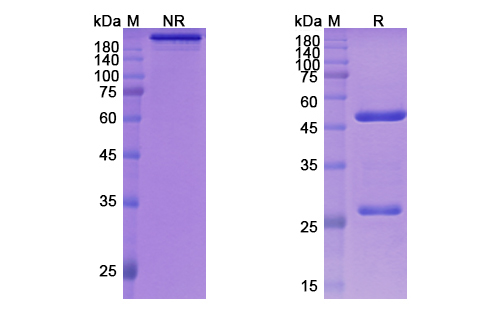
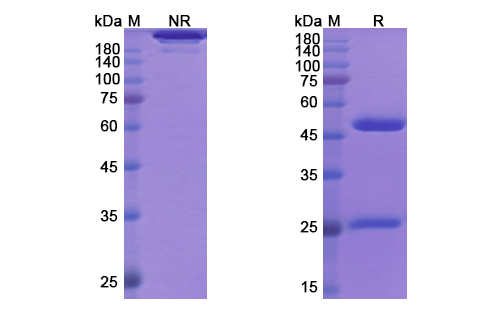
Lafuvitug Biosimilar – Anti-Envelope glycoprotein gp160 mAb is a monoclonal antibody that is produced in a mammalian cell expression system. It is a fully humanized IgG1 antibody, meaning that it has been engineered to have a human-like structure to minimize the risk of immune reactions. The antibody consists of two heavy chains and two light chains, each with a specific amino acid sequence that determines its binding specificity.
The variable regions of the antibody, known as the antigen-binding sites, are responsible for recognizing and binding to the envelope glycoprotein gp160. These regions undergo somatic hypermutation, a process that increases the diversity and specificity of the antibody’s binding sites. This allows the antibody to effectively target and neutralize the envelope glycoprotein, preventing its interaction with host cells.
Activity of Lafuvitug Biosimilar – Anti-Envelope glycoprotein gp160 mAb
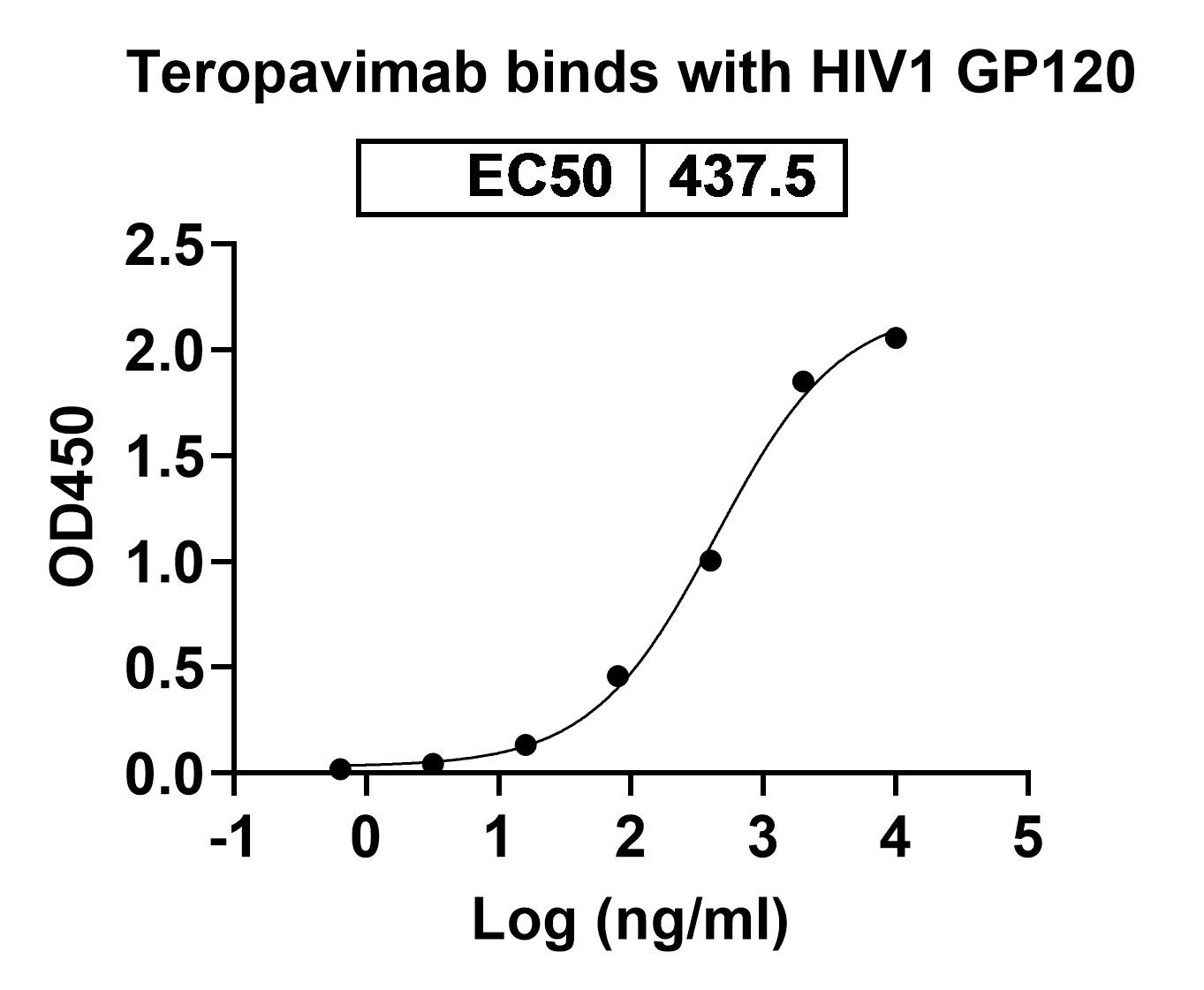
The main activity of Lafuvitug Biosimilar – Anti-Envelope glycoprotein gp160 mAb is its ability to bind to and neutralize the envelope glycoprotein gp160. This protein is essential for the entry of HIV into host cells, making it a critical therapeutic target for the treatment of HIV infection. By binding to gp160, the antibody blocks its interaction with the CD4 receptor on host cells, preventing viral entry and replication.
In addition to neutralizing gp160, Lafuvitug Biosimilar – Anti-Envelope glycoprotein gp160 mAb also has an immunomodulatory effect. It can activate immune cells, such as natural killer cells and macrophages, to target and eliminate HIV-infected cells. This dual mechanism of action makes it a promising candidate for the treatment of HIV infection.
Applications of Lafuvitug Biosimilar – Anti-Envelope glycoprotein gp160 mAb
Lafuvitug Biosimilar – Anti-Envelope glycoprotein gp160 mAb has potential applications in both research and clinical settings. In research, this biosimilar can be used to study the role of gp160 in the pathogenesis of HIV and to develop new therapies targeting this protein. It can also be used to screen for potential HIV inhibitors and to identify drug-resistant strains of the virus.
In a clinical setting, Lafuvitug Biosimilar – Anti-Envelope glycoprotein gp160 mAb can be used as a therapeutic agent for the treatment of HIV infection. It can be administered as a stand-alone treatment or in combination with other antiretroviral drugs. Its unique mechanism of action and potential for immunomodulation make it a promising option for patients with HIV.
Conclusion
Lafuvitug Biosimilar – Anti-Envelope glycoprotein gp160 mAb is a research grade monoclonal antibody that specifically targets the envelope glycoprotein gp160 of HIV. Its humanized structure and dual mechanism of action make it a promising candidate for the treatment of HIV infection. With its potential applications in research and clinical settings, this biosimilar has the potential to contribute to the development of new and effective therapies for HIV.

There are no reviews yet.