Latozinemab Biosimilar: A Promising Antibody Targeting SORT1 for Therapeutic Applications
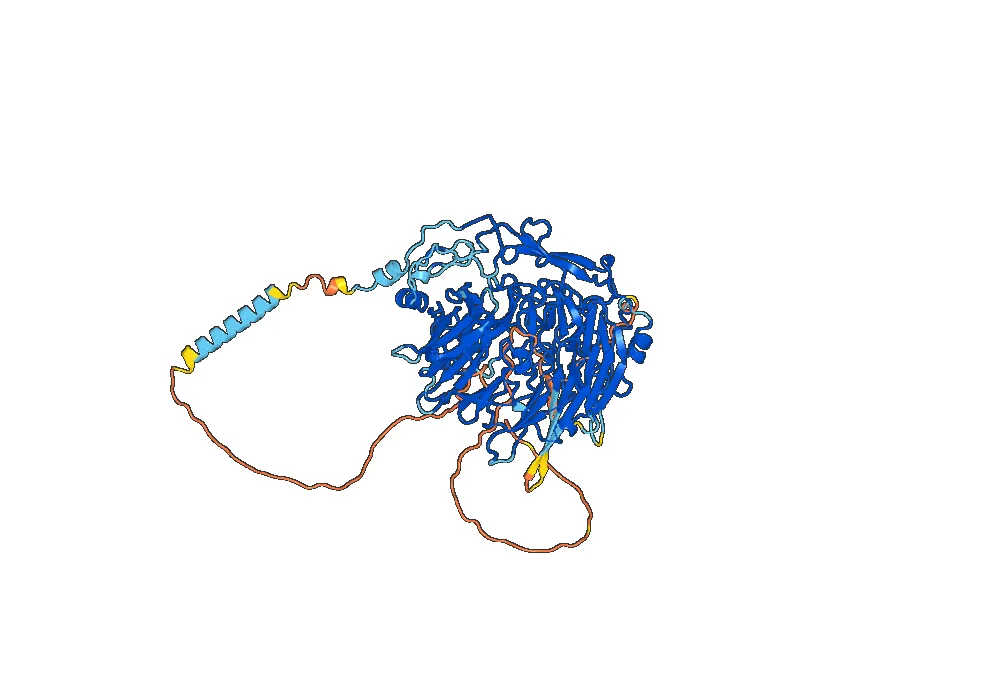
Latozinemab Biosimilar, also known as Anti-SORT1 mAb, is a research grade monoclonal antibody that has shown great potential in targeting SORT1 for therapeutic purposes. SORT1, or Sortilin-1, is a transmembrane protein that plays a crucial role in regulating protein trafficking and sorting within cells. It is also involved in various cellular processes such as endocytosis, signaling, and cell survival. Dysregulation of SORT1 has been linked to several diseases, making it an attractive therapeutic target.
Structure of Latozinemab Biosimilar
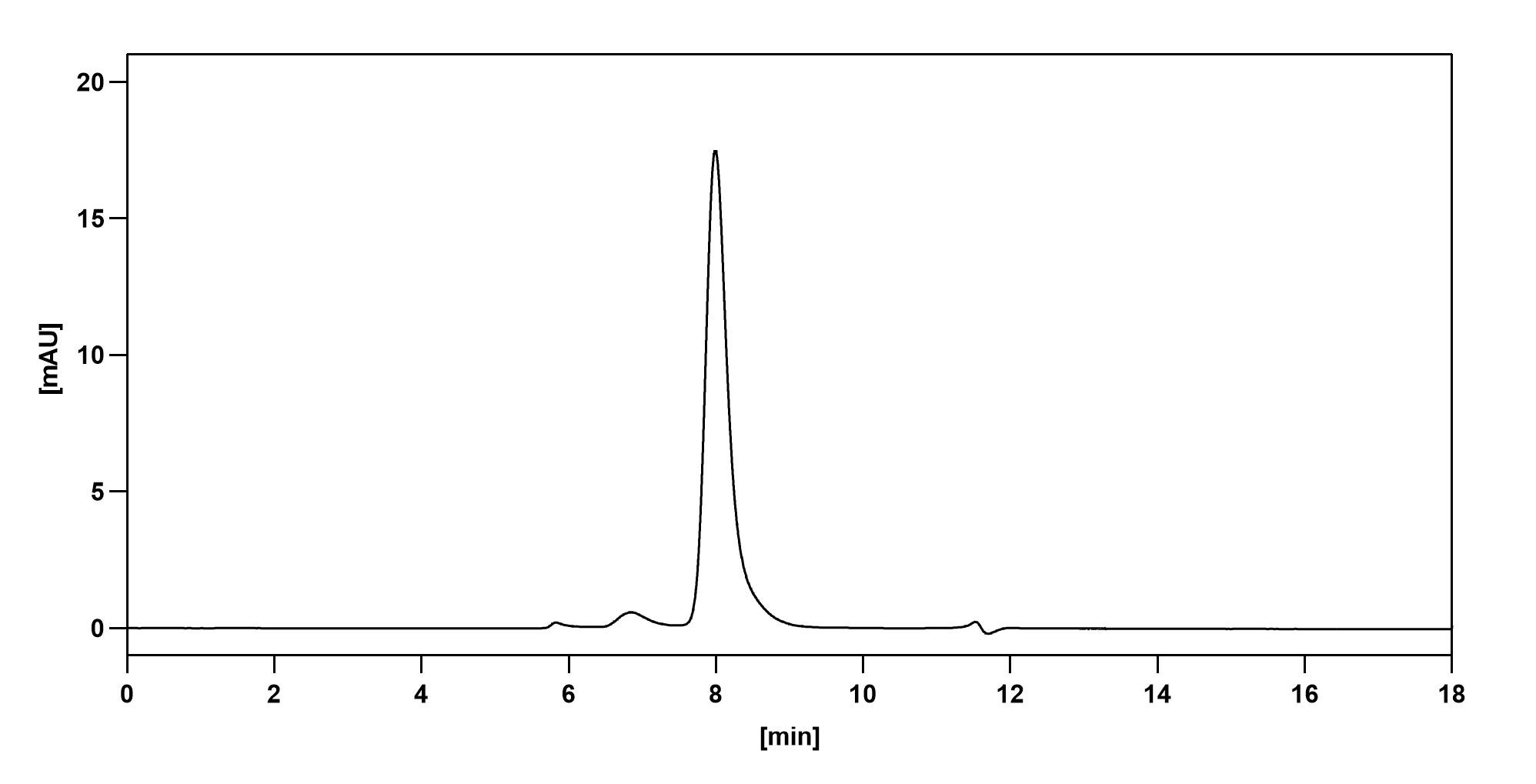
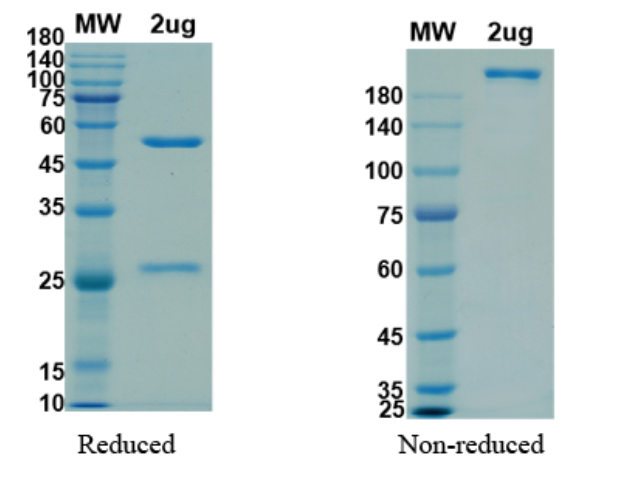
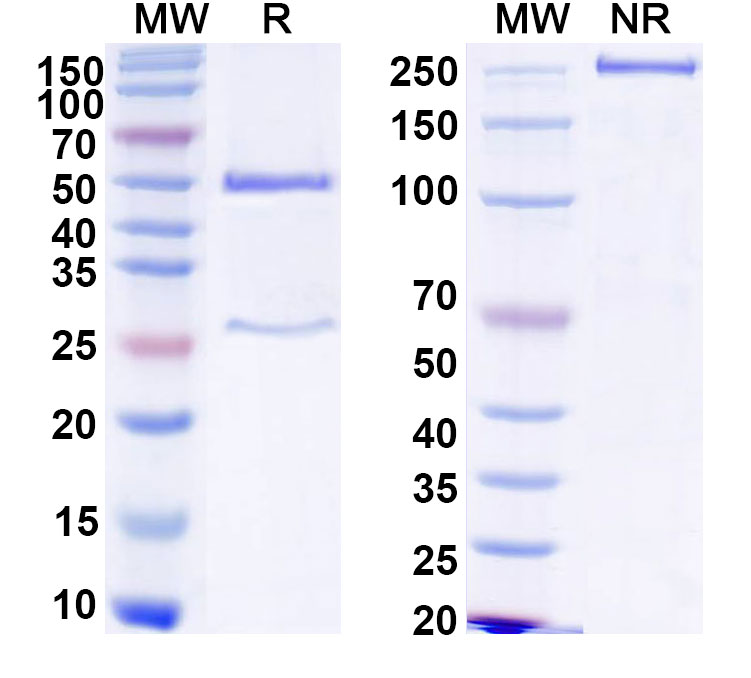
Latozinemab Biosimilar is a fully humanized monoclonal antibody, meaning it is derived from human cells and has a high binding affinity to its target. It is composed of two identical heavy chains and two identical light chains, each with a molecular weight of approximately 150 kDa. The antibody has a Y-shaped structure, with two antigen-binding fragments (Fab) and one crystallizable fragment (Fc). The Fab regions are responsible for binding to SORT1, while the Fc region mediates effector functions such as antibody-dependent cell-mediated cytotoxicity (ADCC) and complement-dependent cytotoxicity (CDC).
Mechanism of Action
Latozinemab Biosimilar works by binding to SORT1 on the cell surface, preventing its interaction with other proteins and disrupting its normal function. This results in the inhibition of downstream signaling pathways and cellular processes that contribute to disease progression. Additionally, the Fc region of the antibody can trigger immune responses, leading to the destruction of SORT1-expressing cells through ADCC and CDC mechanisms.
Potential Applications
Due to its ability to target SORT1, Latozinemab Biosimilar has the potential to treat a wide range of diseases. SORT1 has been implicated in various cancers, including breast, lung, and pancreatic cancer, making Latozinemab Biosimilar a promising candidate for cancer therapy. In addition, SORT1 has been linked to neurodegenerative diseases such as Alzheimer’s and Parkinson’s, and Latozinemab Biosimilar may have a role in slowing disease progression and improving symptoms.
Furthermore, SORT1 has been shown to play a role in metabolic disorders such as obesity, diabetes, and atherosclerosis. Latozinemab Biosimilar may have the potential to modulate these conditions by targeting SORT1 and regulating its function. Additionally, SORT1 has been implicated in viral infections, and Latozinemab Biosimilar may have antiviral properties by blocking the entry of viruses into cells.
Research Grade Antibody
Latozinemab Biosimilar is currently in the preclinical stage of development, with ongoing research and studies to evaluate its efficacy and safety. As a research grade antibody, it is not yet approved for clinical use but is available for use in laboratory experiments and preclinical studies. Its high specificity and affinity for SORT1 make it a valuable tool for studying the role of SORT1 in various diseases and for identifying potential therapeutic applications.
Conclusion
Latozinemab Biosimilar, also known as Anti-SORT1 mAb, is a research grade monoclonal antibody that shows great promise in targeting SORT1 for therapeutic purposes. Its unique structure and mechanism of action make it a potential treatment option for a wide range of diseases, including cancer, neurodegenerative disorders, metabolic disorders, and viral infections. As research on Latozinemab Biosimilar continues, it may provide new insights into the role of SORT1 in disease and potentially lead to the development of novel and effective treatments.

There are no reviews yet.