Introduction
Lenvervimab Biosimilar, also known as Anti-HBV mAb, is a monoclonal antibody that has been developed as a biosimilar to an existing therapeutic antibody. This biosimilar has been designed to target and treat hepatitis B virus (HBV) infection, which affects millions of people worldwide. In this article, we will discuss the structure, activity, and potential applications of Lenvervimab Biosimilar as a research grade antibody.
Structure of Lenvervimab Biosimilar
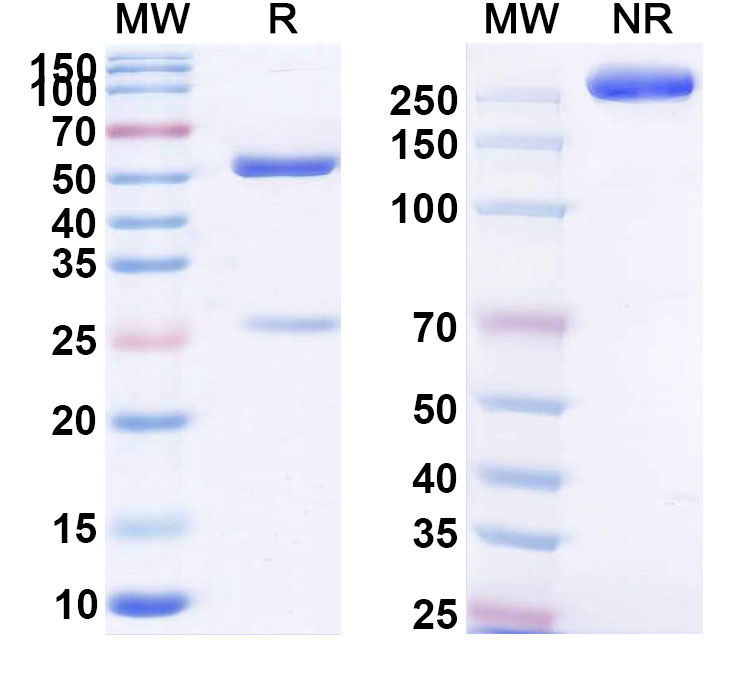
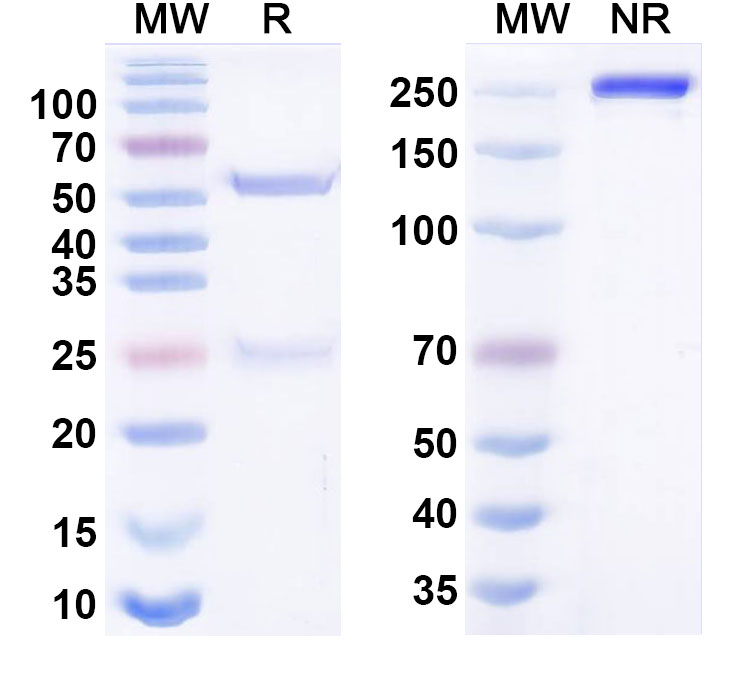
Lenvervimab Biosimilar is a monoclonal antibody that is produced in a laboratory using recombinant DNA technology. It is a humanized antibody, meaning that it contains both human and non-human components. The antibody is composed of two heavy chains and two light chains, which are connected by disulfide bonds. The variable regions of the antibody, responsible for recognizing and binding to the target, are derived from the original therapeutic antibody. However, the constant regions of the antibody have been modified to make it more similar to the human antibody, reducing the risk of immune reactions.
Activity of Lenvervimab Biosimilar
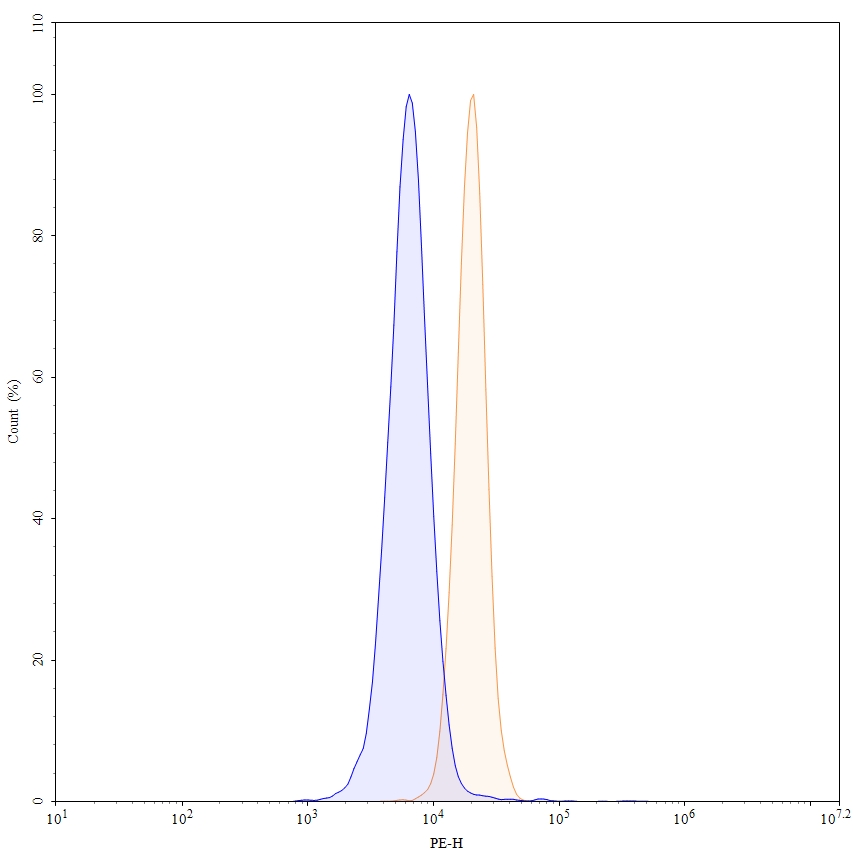
Lenvervimab Biosimilar works by binding to a specific protein on the surface of HBV, known as the HBsAg (hepatitis B surface antigen). This binding prevents the virus from entering and infecting liver cells, thus inhibiting its replication and spread. The antibody also activates the body’s immune system to attack and eliminate the virus. This dual mechanism of action makes Lenvervimab Biosimilar a potent and effective treatment for HBV infection.
Applications of Lenvervimab Biosimilar
As a research grade antibody, Lenvervimab Biosimilar has several potential applications in the field of HBV research. It can be used to study the structure and function of the HBV virus, as well as its interaction with the human immune system. The antibody can also be used in diagnostic tests to detect the presence of HBV in patient samples. In addition, Lenvervimab Biosimilar can be used in preclinical studies to evaluate its efficacy and safety as a potential therapeutic for HBV infection.
In vitro studies
Lenvervimab Biosimilar can be used in cell culture studies to investigate its ability to neutralize HBV and inhibit its replication. This can help researchers understand the mechanism of action of the antibody and optimize its dosage and administration for maximum efficacy.
In vivo studies
Animal studies can also be conducted using Lenvervimab Biosimilar to assess its effectiveness in treating HBV infection. These studies can provide valuable data on the antibody’s pharmacokinetics, safety, and potential side effects, which are essential for its development as a therapeutic for human use.
Clinical trials
The ultimate goal of developing Lenvervimab Biosimilar is to bring it to the clinic and make it available as a treatment option for patients with HBV infection. Clinical trials are currently underway to evaluate the safety and efficacy of the antibody in human subjects. If successful, Lenvervimab Biosimilar could offer a more affordable and accessible alternative to the existing therapeutic antibody for the treatment of HBV infection.
Conclusion
Lenvervimab Biosimilar, a research grade anti-HBV mAb, is a promising antibody that shows great potential in the treatment of HBV infection. Its unique structure and dual mechanism of action make it a valuable tool for HBV research and a potential alternative to the existing therapeutic antibody. With ongoing clinical trials, we can hope to see Lenvervimab Biosimilar as a safe and effective treatment option for patients with HBV infection in the near future.
There are no reviews yet.